0
0
0
COAST Anti-Drilling Act
3/7/2024, 8:15 AM
Summary of Bill HR 1320
The COAST Anti-Drilling Act, also known as Bill 118 hr 1320, is a piece of legislation currently being considered by the US Congress. The purpose of this bill is to prohibit oil and gas drilling off the coast of the United States.
The bill aims to protect the environment and coastal communities from the potential negative impacts of offshore drilling, such as oil spills and pollution. It also seeks to preserve marine ecosystems and wildlife habitats that could be harmed by drilling activities.
If passed, the COAST Anti-Drilling Act would prevent the Department of the Interior from issuing leases for oil and gas exploration and drilling in certain areas of the Outer Continental Shelf. It would also prohibit the construction of new infrastructure, such as pipelines and drilling platforms, in these areas. Supporters of the bill argue that it is necessary to safeguard the environment and coastal economies from the risks associated with offshore drilling. They believe that investing in renewable energy sources, such as wind and solar power, is a more sustainable and environmentally friendly alternative to fossil fuels. Opponents of the bill, on the other hand, argue that restricting offshore drilling could have negative economic consequences, such as job losses in the oil and gas industry. They also argue that domestic energy production is important for national security and energy independence. Overall, the COAST Anti-Drilling Act is a controversial piece of legislation that highlights the ongoing debate between environmental protection and economic interests in the United States.
The bill aims to protect the environment and coastal communities from the potential negative impacts of offshore drilling, such as oil spills and pollution. It also seeks to preserve marine ecosystems and wildlife habitats that could be harmed by drilling activities.
If passed, the COAST Anti-Drilling Act would prevent the Department of the Interior from issuing leases for oil and gas exploration and drilling in certain areas of the Outer Continental Shelf. It would also prohibit the construction of new infrastructure, such as pipelines and drilling platforms, in these areas. Supporters of the bill argue that it is necessary to safeguard the environment and coastal economies from the risks associated with offshore drilling. They believe that investing in renewable energy sources, such as wind and solar power, is a more sustainable and environmentally friendly alternative to fossil fuels. Opponents of the bill, on the other hand, argue that restricting offshore drilling could have negative economic consequences, such as job losses in the oil and gas industry. They also argue that domestic energy production is important for national security and energy independence. Overall, the COAST Anti-Drilling Act is a controversial piece of legislation that highlights the ongoing debate between environmental protection and economic interests in the United States.
Congressional Summary of HR 1320
Clean Ocean And Safe Tourism Anti-Drilling Act or the COAST Anti-Drilling Act
This bill prohibits the Department of the Interior from authorizing the exploration, development, or production (i.e., offshore drilling) of oil, natural gas, or other minerals in areas of the Outer Continental Shelf along the Atlantic Coast. Specifically, the prohibition applies to the Mid-Atlantic planning area, the South Atlantic planning area, the North Atlantic planning area, and the Straits of Florida.
Read the Full Bill
Current Status of Bill HR 1320
Bill HR 1320 is currently in the status of Bill Introduced since March 1, 2023. Bill HR 1320 was introduced during Congress 118 and was introduced to the House on March 1, 2023. Bill HR 1320's most recent activity was Referred to the Subcommittee on Energy and Mineral Resources. as of March 22, 2023
Bipartisan Support of Bill HR 1320
Total Number of Sponsors
1Democrat Sponsors
1Republican Sponsors
0Unaffiliated Sponsors
0Total Number of Cosponsors
60Democrat Cosponsors
54Republican Cosponsors
6Unaffiliated Cosponsors
0Policy Area and Potential Impact of Bill HR 1320
Primary Policy Focus
EnergyAlternate Title(s) of Bill HR 1320
COAST Anti-Drilling Act
COAST Anti-Drilling Act
Clean Ocean And Safe Tourism Anti-Drilling Act
To amend the Outer Continental Shelf Lands Act to permanently prohibit the conduct of offshore drilling on the outer Continental Shelf in the Mid-Atlantic, South Atlantic, North Atlantic, and Straits of Florida planning areas.
Comments
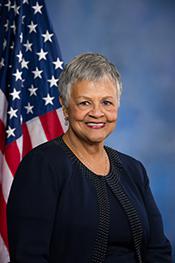
Sponsors and Cosponsors of HR 1320





Latest Bills
TRAPS Act
Bill HR 4936September 18, 2026
Apples to Apples Comparison Act of 2025
Bill HR 4093September 18, 2026
American Lending Fairness Act of 2026
Bill HR 7866September 18, 2026
Civil Investigative Demand Reform Act of 2025
Bill HR 1653September 18, 2026
American Reserve Modernization Act of 2026
Bill HR 8957September 18, 2026
Preventive Health Savings Act
Bill HR 4464September 18, 2026
PEARL Act
Bill HR 9327September 18, 2026
Medically Tailored Home-Delivered Meals Program Pilot Act
Bill HR 5439September 18, 2026
To designate the facility of the United States Postal Service located at 117 West Lovett Street in Charlotte, Michigan, as the "Francis C. Flaherty Post Office Building".
Bill HR 9570September 18, 2026
To designate the facility of the United States Postal Service located at 1019 Avenue H in Fort Madison, Iowa, as the "Martin L. Graber Post Office".
Bill HR 4707September 18, 2026
COAST Anti-Drilling Act
Bill S 617February 16, 2024