0
0
0
Stopping Overdoses of Fentanyl Analogues Act
12/15/2023, 3:55 PM
Summary of Bill HR 1291
Bill 118 hr 1291, also known as the Stopping Overdoses of Fentanyl Analogues Act, is a piece of legislation introduced in the US Congress. The main purpose of this bill is to combat the growing opioid crisis by expanding the list of controlled substances to include fentanyl analogues.
Fentanyl analogues are synthetic opioids that are similar in structure to fentanyl, a powerful and highly addictive drug that is responsible for a large number of overdose deaths in the United States. By adding fentanyl analogues to the list of controlled substances, law enforcement agencies will have more tools to crack down on the production and distribution of these dangerous drugs.
The bill also includes provisions to increase penalties for individuals caught trafficking fentanyl analogues and to provide resources for law enforcement agencies to better detect and respond to cases involving these substances. Additionally, the bill aims to improve coordination between federal, state, and local agencies in the fight against opioid abuse. Overall, the Stopping Overdoses of Fentanyl Analogues Act is a comprehensive piece of legislation that seeks to address the opioid crisis by targeting the production and distribution of fentanyl analogues. If passed, this bill could play a significant role in reducing the number of overdose deaths caused by these dangerous substances.
Fentanyl analogues are synthetic opioids that are similar in structure to fentanyl, a powerful and highly addictive drug that is responsible for a large number of overdose deaths in the United States. By adding fentanyl analogues to the list of controlled substances, law enforcement agencies will have more tools to crack down on the production and distribution of these dangerous drugs.
The bill also includes provisions to increase penalties for individuals caught trafficking fentanyl analogues and to provide resources for law enforcement agencies to better detect and respond to cases involving these substances. Additionally, the bill aims to improve coordination between federal, state, and local agencies in the fight against opioid abuse. Overall, the Stopping Overdoses of Fentanyl Analogues Act is a comprehensive piece of legislation that seeks to address the opioid crisis by targeting the production and distribution of fentanyl analogues. If passed, this bill could play a significant role in reducing the number of overdose deaths caused by these dangerous substances.
Congressional Summary of HR 1291
Stopping Overdoses of Fentanyl Analogues Act
This bill permanently adds fentanyl-related substances to schedule I of the Controlled Substances Act. (A schedule I controlled substance is a drug, substance, or chemical that has a high potential for abuse; has no currently accepted medical value; and is subject to regulatory controls and administrative, civil, and criminal penalties under the Controlled Substances Act.)
Fentanyl-related substances are currently regulated under schedule I through a temporary order issued by the Drug Enforcement Administration. The temporary order expires December 31, 2024.
Read the Full Bill
Current Status of Bill HR 1291
Bill HR 1291 is currently in the status of Bill Introduced since March 1, 2023. Bill HR 1291 was introduced during Congress 118 and was introduced to the House on March 1, 2023. Bill HR 1291's most recent activity was Referred to the Subcommittee on Health. as of March 10, 2023
Bipartisan Support of Bill HR 1291
Total Number of Sponsors
1Democrat Sponsors
0Republican Sponsors
1Unaffiliated Sponsors
0Total Number of Cosponsors
20Democrat Cosponsors
0Republican Cosponsors
20Unaffiliated Cosponsors
0Policy Area and Potential Impact of Bill HR 1291
Primary Policy Focus
Crime and Law EnforcementAlternate Title(s) of Bill HR 1291
Stopping Overdoses of Fentanyl Analogues Act
Stopping Overdoses of Fentanyl Analogues Act
To amend the Controlled Substances Act to list fentanyl-related substances as schedule I controlled substances.
Comments
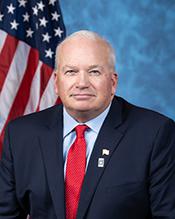
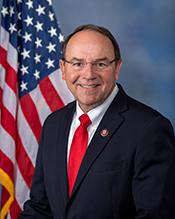
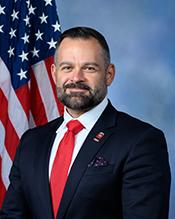
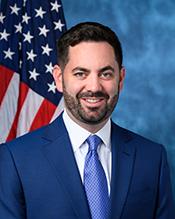
Sponsors and Cosponsors of HR 1291


Latest Bills
TRAPS Act
Bill HR 4936September 18, 2026
Apples to Apples Comparison Act of 2025
Bill HR 4093September 18, 2026
American Lending Fairness Act of 2026
Bill HR 7866September 18, 2026
Civil Investigative Demand Reform Act of 2025
Bill HR 1653September 18, 2026
American Reserve Modernization Act of 2026
Bill HR 8957September 18, 2026
Preventive Health Savings Act
Bill HR 4464September 18, 2026
PEARL Act
Bill HR 9327September 18, 2026
Medically Tailored Home-Delivered Meals Program Pilot Act
Bill HR 5439September 18, 2026
To designate the facility of the United States Postal Service located at 117 West Lovett Street in Charlotte, Michigan, as the "Francis C. Flaherty Post Office Building".
Bill HR 9570September 18, 2026
To designate the facility of the United States Postal Service located at 1019 Avenue H in Fort Madison, Iowa, as the "Martin L. Graber Post Office".
Bill HR 4707September 18, 2026
Stopping Overdoses of Fentanyl Analogues Act
Bill S 600January 8, 2024