0
0
0
To amend the Internal Revenue Code of 1986 to repeal the credit for new clean vehicles, and for other purposes.
12/20/2024, 9:05 AM
Summary of Bill HR 10516
Bill 118 hr 10516, also known as the "Clean Vehicles Credit Repeal Act," aims to make changes to the Internal Revenue Code of 1986 by repealing the credit for new clean vehicles. This credit was originally put in place to incentivize the purchase of environmentally friendly vehicles, such as electric or hybrid cars.
The bill proposes to eliminate this credit, which has been criticized by some as being too costly and ineffective in promoting the adoption of clean vehicles. Supporters of the bill argue that the credit is no longer necessary as the market for clean vehicles has grown significantly in recent years without the need for government incentives.
In addition to repealing the clean vehicles credit, the bill also includes provisions for other purposes, although specific details on these provisions are not provided in the summary. Overall, the Clean Vehicles Credit Repeal Act seeks to make changes to the tax code in order to remove a credit that some believe is no longer needed or effective in promoting the adoption of clean vehicles. The impact of this bill, if passed, could have significant implications for the clean energy and automotive industries.
The bill proposes to eliminate this credit, which has been criticized by some as being too costly and ineffective in promoting the adoption of clean vehicles. Supporters of the bill argue that the credit is no longer necessary as the market for clean vehicles has grown significantly in recent years without the need for government incentives.
In addition to repealing the clean vehicles credit, the bill also includes provisions for other purposes, although specific details on these provisions are not provided in the summary. Overall, the Clean Vehicles Credit Repeal Act seeks to make changes to the tax code in order to remove a credit that some believe is no longer needed or effective in promoting the adoption of clean vehicles. The impact of this bill, if passed, could have significant implications for the clean energy and automotive industries.
Current Status of Bill HR 10516
Bill HR 10516 is currently in the status of Bill Introduced since December 19, 2024. Bill HR 10516 was introduced during Congress 118 and was introduced to the House on December 19, 2024. Bill HR 10516's most recent activity was Referred to the House Committee on Ways and Means. as of December 19, 2024
Bipartisan Support of Bill HR 10516
Total Number of Sponsors
1Democrat Sponsors
0Republican Sponsors
1Unaffiliated Sponsors
0Total Number of Cosponsors
12Democrat Cosponsors
0Republican Cosponsors
12Unaffiliated Cosponsors
0Policy Area and Potential Impact of Bill HR 10516
Primary Policy Focus
Alternate Title(s) of Bill HR 10516
To amend the Internal Revenue Code of 1986 to repeal the credit for new clean vehicles, and for other purposes.
To amend the Internal Revenue Code of 1986 to repeal the credit for new clean vehicles, and for other purposes.
Comments
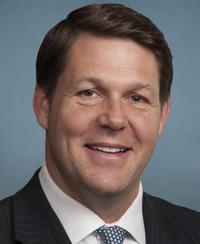
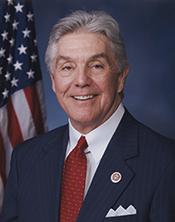
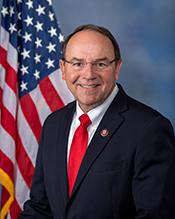
Sponsors and Cosponsors of HR 10516



Latest Bills
TRAPS Act
Bill HR 4936September 18, 2026
Apples to Apples Comparison Act of 2025
Bill HR 4093September 18, 2026
American Lending Fairness Act of 2026
Bill HR 7866September 18, 2026
Civil Investigative Demand Reform Act of 2025
Bill HR 1653September 18, 2026
American Reserve Modernization Act of 2026
Bill HR 8957September 18, 2026
Preventive Health Savings Act
Bill HR 4464September 18, 2026
PEARL Act
Bill HR 9327September 18, 2026
Medically Tailored Home-Delivered Meals Program Pilot Act
Bill HR 5439September 18, 2026
To designate the facility of the United States Postal Service located at 117 West Lovett Street in Charlotte, Michigan, as the "Francis C. Flaherty Post Office Building".
Bill HR 9570September 18, 2026
To designate the facility of the United States Postal Service located at 1019 Avenue H in Fort Madison, Iowa, as the "Martin L. Graber Post Office".
Bill HR 4707September 18, 2026