0
0
0
To establish a pilot program for the Secretary of Housing and Urban Development to evaluate the effectiveness of insuring mortgages made to finance improvements to convert basement spaces into safely habitable dwelling units, and for other purposes.
12/16/2024, 7:28 PM
Summary of Bill HR 10294
Bill 118 hr 10294, also known as the Basement Dwelling Conversion Pilot Program Act, aims to create a pilot program within the Department of Housing and Urban Development (HUD) to assess the viability of insuring mortgages for homeowners looking to convert their basement spaces into habitable living units. The goal of this program is to provide a safe and affordable housing option for individuals and families, while also potentially increasing the overall housing supply.
The program would evaluate the effectiveness of providing mortgage insurance for these types of conversions, with the hope of encouraging more homeowners to invest in making their basements livable. This could potentially help alleviate housing shortages in certain areas and provide more affordable housing options for those in need.
In addition to evaluating the impact of insuring these mortgages, the bill also aims to study the potential benefits and challenges of basement dwelling conversions, including any safety concerns or zoning issues that may arise. The findings from this pilot program would then be used to inform future housing policy decisions and potentially expand the program on a larger scale. Overall, the Basement Dwelling Conversion Pilot Program Act seeks to explore innovative solutions to address housing shortages and provide safe, affordable housing options for individuals and families. It will be interesting to see the results of this pilot program and how it may impact housing policy in the future.
The program would evaluate the effectiveness of providing mortgage insurance for these types of conversions, with the hope of encouraging more homeowners to invest in making their basements livable. This could potentially help alleviate housing shortages in certain areas and provide more affordable housing options for those in need.
In addition to evaluating the impact of insuring these mortgages, the bill also aims to study the potential benefits and challenges of basement dwelling conversions, including any safety concerns or zoning issues that may arise. The findings from this pilot program would then be used to inform future housing policy decisions and potentially expand the program on a larger scale. Overall, the Basement Dwelling Conversion Pilot Program Act seeks to explore innovative solutions to address housing shortages and provide safe, affordable housing options for individuals and families. It will be interesting to see the results of this pilot program and how it may impact housing policy in the future.
Current Status of Bill HR 10294
Bill HR 10294 is currently in the status of Bill Introduced since December 4, 2024. Bill HR 10294 was introduced during Congress 118 and was introduced to the House on December 4, 2024. Bill HR 10294's most recent activity was Referred to the House Committee on Financial Services. as of December 4, 2024
Bipartisan Support of Bill HR 10294
Total Number of Sponsors
2Democrat Sponsors
2Republican Sponsors
0Unaffiliated Sponsors
0Total Number of Cosponsors
2Democrat Cosponsors
2Republican Cosponsors
0Unaffiliated Cosponsors
0Policy Area and Potential Impact of Bill HR 10294
Primary Policy Focus
Alternate Title(s) of Bill HR 10294
To establish a pilot program for the Secretary of Housing and Urban Development to evaluate the effectiveness of insuring mortgages made to finance improvements to convert basement spaces into safely habitable dwelling units, and for other purposes.
To establish a pilot program for the Secretary of Housing and Urban Development to evaluate the effectiveness of insuring mortgages made to finance improvements to convert basement spaces into safely habitable dwelling units, and for other purposes.
Comments
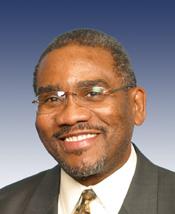
Sponsors and Cosponsors of HR 10294

Latest Bills
TRAPS Act
Bill HR 4936September 18, 2026
Apples to Apples Comparison Act of 2025
Bill HR 4093September 18, 2026
American Lending Fairness Act of 2026
Bill HR 7866September 18, 2026
Civil Investigative Demand Reform Act of 2025
Bill HR 1653September 18, 2026
American Reserve Modernization Act of 2026
Bill HR 8957September 18, 2026
Preventive Health Savings Act
Bill HR 4464September 18, 2026
PEARL Act
Bill HR 9327September 18, 2026
Medically Tailored Home-Delivered Meals Program Pilot Act
Bill HR 5439September 18, 2026
To designate the facility of the United States Postal Service located at 117 West Lovett Street in Charlotte, Michigan, as the "Francis C. Flaherty Post Office Building".
Bill HR 9570September 18, 2026
To designate the facility of the United States Postal Service located at 1019 Avenue H in Fort Madison, Iowa, as the "Martin L. Graber Post Office".
Bill HR 4707September 18, 2026