0
0
0
Cardiac Arrest Survival Act of 2023
12/15/2023, 3:54 PM
Summary of Bill HR 1012
Bill 118 HR 1012, also known as the Cardiac Arrest Survival Act of 2023, is a piece of legislation currently being considered by the US Congress. The main goal of this bill is to improve survival rates for individuals who experience cardiac arrest by increasing access to life-saving treatments and resources.
One key provision of the bill is the establishment of a national registry for cardiac arrest incidents. This registry would collect data on the number of cardiac arrest cases, the outcomes of those cases, and any factors that may have contributed to the survival or death of the individual. By collecting this data, policymakers and healthcare professionals can better understand the trends and factors that impact survival rates for cardiac arrest patients.
Additionally, the Cardiac Arrest Survival Act of 2023 aims to increase public awareness and education about cardiac arrest. This includes providing training in CPR and the use of automated external defibrillators (AEDs) to individuals in schools, workplaces, and other community settings. By increasing the number of individuals who are trained in these life-saving techniques, the bill seeks to improve the chances of survival for individuals who experience cardiac arrest outside of a healthcare setting. Furthermore, the bill includes provisions to improve coordination and communication among emergency medical services (EMS) providers, hospitals, and other healthcare facilities. This includes establishing protocols for the transfer of cardiac arrest patients between different levels of care, as well as ensuring that EMS providers have access to the latest evidence-based treatments and technologies for cardiac arrest. Overall, the Cardiac Arrest Survival Act of 2023 is a comprehensive piece of legislation that aims to improve survival rates for individuals who experience cardiac arrest. By increasing access to life-saving treatments, improving public awareness and education, and enhancing coordination among healthcare providers, this bill has the potential to save countless lives and improve outcomes for individuals who experience cardiac arrest.
One key provision of the bill is the establishment of a national registry for cardiac arrest incidents. This registry would collect data on the number of cardiac arrest cases, the outcomes of those cases, and any factors that may have contributed to the survival or death of the individual. By collecting this data, policymakers and healthcare professionals can better understand the trends and factors that impact survival rates for cardiac arrest patients.
Additionally, the Cardiac Arrest Survival Act of 2023 aims to increase public awareness and education about cardiac arrest. This includes providing training in CPR and the use of automated external defibrillators (AEDs) to individuals in schools, workplaces, and other community settings. By increasing the number of individuals who are trained in these life-saving techniques, the bill seeks to improve the chances of survival for individuals who experience cardiac arrest outside of a healthcare setting. Furthermore, the bill includes provisions to improve coordination and communication among emergency medical services (EMS) providers, hospitals, and other healthcare facilities. This includes establishing protocols for the transfer of cardiac arrest patients between different levels of care, as well as ensuring that EMS providers have access to the latest evidence-based treatments and technologies for cardiac arrest. Overall, the Cardiac Arrest Survival Act of 2023 is a comprehensive piece of legislation that aims to improve survival rates for individuals who experience cardiac arrest. By increasing access to life-saving treatments, improving public awareness and education, and enhancing coordination among healthcare providers, this bill has the potential to save countless lives and improve outcomes for individuals who experience cardiac arrest.
Congressional Summary of HR 1012
Cardiac Arrest Survival Act of 2023
This bill expands immunity from civil liability related to emergency use of automated external defibrillator devices (AEDs).
In particular, the bill specifies that immunity applies regardless of whether the person who used the AED complied with signage, received training, or was assisted or supervised by another person, such as a licensed physician. Additionally, the bill limits the liability of the person who owns or acquires an AED for harm resulting from its use unless that person fails to appropriately maintain the AED.
Read the Full Bill
Current Status of Bill HR 1012
Bill HR 1012 is currently in the status of Bill Introduced since February 14, 2023. Bill HR 1012 was introduced during Congress 118 and was introduced to the House on February 14, 2023. Bill HR 1012's most recent activity was Referred to the Subcommittee on Health. as of February 24, 2023
Bipartisan Support of Bill HR 1012
Total Number of Sponsors
1Democrat Sponsors
0Republican Sponsors
1Unaffiliated Sponsors
0Total Number of Cosponsors
34Democrat Cosponsors
6Republican Cosponsors
28Unaffiliated Cosponsors
0Policy Area and Potential Impact of Bill HR 1012
Primary Policy Focus
HealthPotential Impact Areas
- Cardiovascular and respiratory health
- Civil actions and liability
- Emergency medical services and trauma care
- Health care quality
- Health technology, devices, supplies
Alternate Title(s) of Bill HR 1012
Cardiac Arrest Survival Act of 2023
Cardiac Arrest Survival Act of 2023
To amend the Public Health Service Act to clarify liability protections regarding emergency use of automated external defibrillators.
Comments
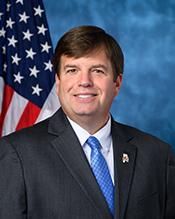
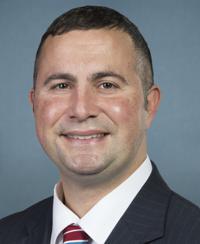
Sponsors and Cosponsors of HR 1012




Latest Bills
TRAPS Act
Bill HR 4936September 18, 2026
Apples to Apples Comparison Act of 2025
Bill HR 4093September 18, 2026
American Lending Fairness Act of 2026
Bill HR 7866September 18, 2026
Civil Investigative Demand Reform Act of 2025
Bill HR 1653September 18, 2026
American Reserve Modernization Act of 2026
Bill HR 8957September 18, 2026
Preventive Health Savings Act
Bill HR 4464September 18, 2026
PEARL Act
Bill HR 9327September 18, 2026
Medically Tailored Home-Delivered Meals Program Pilot Act
Bill HR 5439September 18, 2026
To designate the facility of the United States Postal Service located at 117 West Lovett Street in Charlotte, Michigan, as the "Francis C. Flaherty Post Office Building".
Bill HR 9570September 18, 2026
To designate the facility of the United States Postal Service located at 1019 Avenue H in Fort Madison, Iowa, as the "Martin L. Graber Post Office".
Bill HR 4707September 18, 2026