0
0
0
Proposing an amendment to the Constitution of the United States to provide that Representatives shall be apportioned among the several States according to their respective numbers, counting the number of persons in each State who are citizens of the United States.
1/3/2024, 5:45 PM
Summary of Bill HJRES 37
Bill 118 hjres 37 proposes an amendment to the Constitution of the United States that would change how Representatives are apportioned among the states. Currently, Representatives are apportioned based on the total population of each state, including both citizens and non-citizens. This bill seeks to change that by only counting the number of persons in each state who are citizens of the United States.
The purpose of this amendment is to ensure that only citizens are represented in Congress, rather than including non-citizens in the apportionment process. This could potentially impact the number of Representatives each state receives, as states with higher populations of non-citizens may see a decrease in their representation.
Supporters of the bill argue that only citizens should have a say in the political process and that counting non-citizens in the apportionment process dilutes the representation of citizens. Opponents, on the other hand, argue that all residents, regardless of citizenship status, should be counted in order to accurately reflect the population of each state. If passed, this amendment would require a significant change to the way Representatives are apportioned among the states and could have far-reaching implications for the political landscape of the United States.
The purpose of this amendment is to ensure that only citizens are represented in Congress, rather than including non-citizens in the apportionment process. This could potentially impact the number of Representatives each state receives, as states with higher populations of non-citizens may see a decrease in their representation.
Supporters of the bill argue that only citizens should have a say in the political process and that counting non-citizens in the apportionment process dilutes the representation of citizens. Opponents, on the other hand, argue that all residents, regardless of citizenship status, should be counted in order to accurately reflect the population of each state. If passed, this amendment would require a significant change to the way Representatives are apportioned among the states and could have far-reaching implications for the political landscape of the United States.
Congressional Summary of HJRES 37
This joint resolution proposes a constitutional amendment to require that the seats in the House of Representatives be divided among the states based on their share of U.S. citizens rather than their share of the total U.S. population.
Read the Full Bill
Current Status of Bill HJRES 37
Bill HJRES 37 is currently in the status of Bill Introduced since March 1, 2023. Bill HJRES 37 was introduced during Congress 118 and was introduced to the House on March 1, 2023. Bill HJRES 37's most recent activity was Referred to the House Committee on the Judiciary. as of March 1, 2023
Bipartisan Support of Bill HJRES 37
Total Number of Sponsors
1Democrat Sponsors
0Republican Sponsors
1Unaffiliated Sponsors
0Total Number of Cosponsors
20Democrat Cosponsors
0Republican Cosponsors
20Unaffiliated Cosponsors
0Policy Area and Potential Impact of Bill HJRES 37
Primary Policy Focus
CongressAlternate Title(s) of Bill HJRES 37
Proposing an amendment to the Constitution of the United States to provide that Representatives shall be apportioned among the several States according to their respective numbers, counting the number of persons in each State who are citizens of the United States.
Proposing an amendment to the Constitution of the United States to provide that Representatives shall be apportioned among the several States according to their respective numbers, counting the number of persons in each State who are citizens of the United States.
Comments
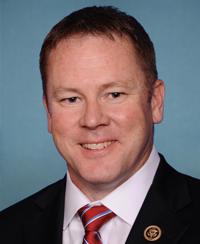
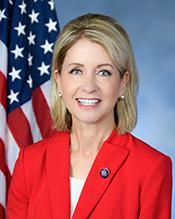
Sponsors and Cosponsors of HJRES 37




Latest Bills
TRAPS Act
Bill HR 4936September 18, 2026
Apples to Apples Comparison Act of 2025
Bill HR 4093September 18, 2026
American Lending Fairness Act of 2026
Bill HR 7866September 18, 2026
Civil Investigative Demand Reform Act of 2025
Bill HR 1653September 18, 2026
American Reserve Modernization Act of 2026
Bill HR 8957September 18, 2026
Preventive Health Savings Act
Bill HR 4464September 18, 2026
PEARL Act
Bill HR 9327September 18, 2026
Medically Tailored Home-Delivered Meals Program Pilot Act
Bill HR 5439September 18, 2026
To designate the facility of the United States Postal Service located at 117 West Lovett Street in Charlotte, Michigan, as the "Francis C. Flaherty Post Office Building".
Bill HR 9570September 18, 2026
To designate the facility of the United States Postal Service located at 1019 Avenue H in Fort Madison, Iowa, as the "Martin L. Graber Post Office".
Bill HR 4707September 18, 2026