0
0
0
Providing for congressional disapproval under chapter 8 of title 5, United States Code, of the rule submitted by the Federal Communications Commission relating to "Safeguarding and Securing the Open Internet; Restoring Internet Freedom".
6/13/2024, 8:05 AM
Summary of Bill HJRES 153
Bill 118 hjres 153, also known as the "Providing for congressional disapproval under chapter 8 of title 5, United States Code, of the rule submitted by the Federal Communications Commission relating to 'Safeguarding and Securing the Open Internet; Restoring Internet Freedom'", is a piece of legislation that aims to overturn a rule put forth by the Federal Communications Commission (FCC) regarding the regulation of the internet.
The rule in question, titled "Safeguarding and Securing the Open Internet; Restoring Internet Freedom", was implemented by the FCC in 2017 under the leadership of then-Chairman Ajit Pai. This rule aimed to repeal the Obama-era regulations known as net neutrality, which required internet service providers to treat all internet traffic equally and prohibited them from blocking or slowing down access to certain websites or services.
Supporters of the FCC's rule argue that it promotes competition and innovation in the internet industry by removing government regulations. They believe that repealing net neutrality rules will lead to increased investment in broadband infrastructure and ultimately benefit consumers. On the other hand, opponents of the rule, including many consumer advocacy groups and tech companies, argue that repealing net neutrality protections will allow internet service providers to prioritize certain content over others, potentially leading to a less open and fair internet. They believe that without net neutrality rules, ISPs could potentially throttle internet speeds, block access to certain websites, or create "fast lanes" for companies willing to pay for preferential treatment. Bill 118 hjres 153 seeks to overturn the FCC's rule and reinstate the net neutrality regulations that were in place prior to its implementation. If passed, this legislation would prevent the FCC from enforcing the rule and would require the agency to maintain the previous net neutrality protections. Overall, the passage of Bill 118 hjres 153 would have significant implications for the future of internet regulation in the United States, with proponents and opponents of the FCC's rule both advocating for their respective positions on the issue.
The rule in question, titled "Safeguarding and Securing the Open Internet; Restoring Internet Freedom", was implemented by the FCC in 2017 under the leadership of then-Chairman Ajit Pai. This rule aimed to repeal the Obama-era regulations known as net neutrality, which required internet service providers to treat all internet traffic equally and prohibited them from blocking or slowing down access to certain websites or services.
Supporters of the FCC's rule argue that it promotes competition and innovation in the internet industry by removing government regulations. They believe that repealing net neutrality rules will lead to increased investment in broadband infrastructure and ultimately benefit consumers. On the other hand, opponents of the rule, including many consumer advocacy groups and tech companies, argue that repealing net neutrality protections will allow internet service providers to prioritize certain content over others, potentially leading to a less open and fair internet. They believe that without net neutrality rules, ISPs could potentially throttle internet speeds, block access to certain websites, or create "fast lanes" for companies willing to pay for preferential treatment. Bill 118 hjres 153 seeks to overturn the FCC's rule and reinstate the net neutrality regulations that were in place prior to its implementation. If passed, this legislation would prevent the FCC from enforcing the rule and would require the agency to maintain the previous net neutrality protections. Overall, the passage of Bill 118 hjres 153 would have significant implications for the future of internet regulation in the United States, with proponents and opponents of the FCC's rule both advocating for their respective positions on the issue.
Congressional Summary of HJRES 153
This joint resolution nullifies the final rule issued by the Federal Communications Commission (FCC) titled Safeguarding and Securing the Open Internet; Restoring Internet Freedom and published on May 22, 2024. The rule classifies broadband internet as a telecommunications service for purposes of FCC regulation and prohibits broadband providers from blocking or slowing traffic to lawful content and from engaging in paid prioritization arrangements. (These provisions are commonly referred to as net neutrality rules.)
Read the Full Bill
Current Status of Bill HJRES 153
Bill HJRES 153 is currently in the status of Bill Introduced since May 23, 2024. Bill HJRES 153 was introduced during Congress 118 and was introduced to the House on May 23, 2024. Bill HJRES 153's most recent activity was Referred to the House Committee on Energy and Commerce. as of May 23, 2024
Bipartisan Support of Bill HJRES 153
Total Number of Sponsors
1Democrat Sponsors
0Republican Sponsors
1Unaffiliated Sponsors
0Total Number of Cosponsors
16Democrat Cosponsors
0Republican Cosponsors
16Unaffiliated Cosponsors
0Policy Area and Potential Impact of Bill HJRES 153
Primary Policy Focus
Alternate Title(s) of Bill HJRES 153
Providing for congressional disapproval under chapter 8 of title 5, United States Code, of the rule submitted by the Federal Communications Commission relating to "Safeguarding and Securing the Open Internet; Restoring Internet Freedom".
Providing for congressional disapproval under chapter 8 of title 5, United States Code, of the rule submitted by the Federal Communications Commission relating to "Safeguarding and Securing the Open Internet; Restoring Internet Freedom".
Comments
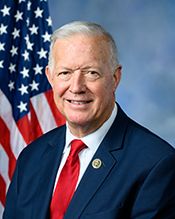
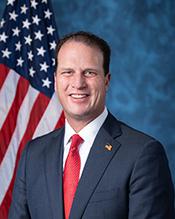
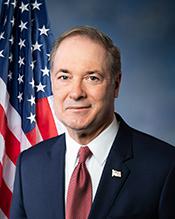
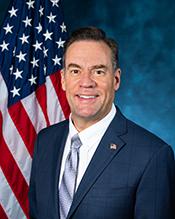
Sponsors and Cosponsors of HJRES 153


Latest Bills
TRAPS Act
Bill HR 4936September 18, 2026
Apples to Apples Comparison Act of 2025
Bill HR 4093September 18, 2026
American Lending Fairness Act of 2026
Bill HR 7866September 18, 2026
Civil Investigative Demand Reform Act of 2025
Bill HR 1653September 18, 2026
American Reserve Modernization Act of 2026
Bill HR 8957September 18, 2026
Preventive Health Savings Act
Bill HR 4464September 18, 2026
PEARL Act
Bill HR 9327September 18, 2026
Medically Tailored Home-Delivered Meals Program Pilot Act
Bill HR 5439September 18, 2026
To designate the facility of the United States Postal Service located at 117 West Lovett Street in Charlotte, Michigan, as the "Francis C. Flaherty Post Office Building".
Bill HR 9570September 18, 2026
To designate the facility of the United States Postal Service located at 1019 Avenue H in Fort Madison, Iowa, as the "Martin L. Graber Post Office".
Bill HR 4707September 18, 2026
A joint resolution providing for congressional disapproval under chapter 8 of title 5, United States Code, of the rule submitted by the Federal Communications Commission relating to "Safeguarding and Securing the Open Internet; Restoring Internet Freedom".
Bill SJRES 103August 7, 2024