0
0
0
A resolution expressing the sense of the Senate that Critical Race Theory serves as a prejudicial ideological tool, rather than an educational tool, and should not be taught in K-12 classrooms as a way to teach students to judge individuals based on sex, race, ethnicity, or national origin.
12/30/2022, 9:30 PM
Summary of Bill SRES 246
Bill 117 S.Res. 246 is a resolution introduced in the US Senate that expresses the opinion that Critical Race Theory (CRT) should not be taught in K-12 classrooms. The resolution argues that CRT is a prejudicial ideological tool rather than an educational tool, and that it teaches students to judge individuals based on their sex, race, ethnicity, or national origin.
The resolution highlights concerns about the potential negative impact of CRT on students, suggesting that it could lead to division and discrimination rather than promoting unity and understanding. It emphasizes the importance of teaching students to treat others with respect and dignity regardless of their background, and argues that CRT may undermine these values.
Overall, the resolution aims to discourage the teaching of CRT in K-12 classrooms and promote a more inclusive and equitable approach to education. It reflects ongoing debates and controversies surrounding the role of CRT in education and its potential impact on students and society as a whole.
The resolution highlights concerns about the potential negative impact of CRT on students, suggesting that it could lead to division and discrimination rather than promoting unity and understanding. It emphasizes the importance of teaching students to treat others with respect and dignity regardless of their background, and argues that CRT may undermine these values.
Overall, the resolution aims to discourage the teaching of CRT in K-12 classrooms and promote a more inclusive and equitable approach to education. It reflects ongoing debates and controversies surrounding the role of CRT in education and its potential impact on students and society as a whole.
Congressional Summary of SRES 246
This resolution calls on the Office for Civil Rights within the Department of Education and state attorneys general to assist elementary and secondary schools in complying with existing civil rights laws and investigate and enforce such laws. In addition, the resolution condemns the practice of requiring teachers to receive education in critical race theory as a condition of certification.
Read the Full Bill
Current Status of Bill SRES 246
Bill SRES 246 is currently in the status of Bill Introduced since May 27, 2021. Bill SRES 246 was introduced during Congress 117 and was introduced to the Senate on May 27, 2021. Bill SRES 246's most recent activity was Referred to the Committee on Health, Education, Labor, and Pensions. (text: CR S3901-3902) as of May 27, 2021
Bipartisan Support of Bill SRES 246
Total Number of Sponsors
1Democrat Sponsors
0Republican Sponsors
1Unaffiliated Sponsors
0Total Number of Cosponsors
4Democrat Cosponsors
0Republican Cosponsors
4Unaffiliated Cosponsors
0Policy Area and Potential Impact of Bill SRES 246
Primary Policy Focus
EducationPotential Impact Areas
- Civics education
- Constitution and constitutional amendments
- Elementary and secondary education
- Racial and ethnic relations
- Rule of law and government transparency
- Sex, gender, sexual orientation discrimination
- Teaching, teachers, curricula
Alternate Title(s) of Bill SRES 246
A resolution expressing the sense of the Senate that Critical Race Theory serves as a prejudicial ideological tool, rather than an educational tool, and should not be taught in K-12 classrooms as a way to teach students to judge individuals based on sex, race, ethnicity, or national origin.
A resolution expressing the sense of the Senate that Critical Race Theory serves as a prejudicial ideological tool, rather than an educational tool, and should not be taught in K-12 classrooms as a way to teach students to judge individuals based on sex, race, ethnicity, or national origin.
Comments
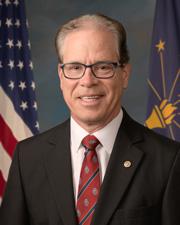
Sponsors and Cosponsors of SRES 246


Latest Bills
TRAPS Act
Bill HR 4936September 18, 2026
Apples to Apples Comparison Act of 2025
Bill HR 4093September 18, 2026
American Lending Fairness Act of 2026
Bill HR 7866September 18, 2026
Civil Investigative Demand Reform Act of 2025
Bill HR 1653September 18, 2026
American Reserve Modernization Act of 2026
Bill HR 8957September 18, 2026
Preventive Health Savings Act
Bill HR 4464September 18, 2026
PEARL Act
Bill HR 9327September 18, 2026
Medically Tailored Home-Delivered Meals Program Pilot Act
Bill HR 5439September 18, 2026
To designate the facility of the United States Postal Service located at 117 West Lovett Street in Charlotte, Michigan, as the "Francis C. Flaherty Post Office Building".
Bill HR 9570September 18, 2026
To designate the facility of the United States Postal Service located at 1019 Avenue H in Fort Madison, Iowa, as the "Martin L. Graber Post Office".
Bill HR 4707September 18, 2026