0
0
0
A joint resolution providing for congressional disapproval under chapter 8 of title 5, United States Code, of the rule submitted by the Centers for Medicare & Medicaid Services relating to "Medicare and Medicaid Programs; Omnibus COVID-19 Health Care Staff Vaccination".
12/30/2022, 3:33 AM
Summary of Bill SJRES 32
Bill 117 SJRes 32 is a joint resolution that seeks to disapprove of a rule submitted by the Centers for Medicare & Medicaid Services regarding the "Medicare and Medicaid Programs; Omnibus COVID-19 Health Care Staff Vaccination." The rule in question pertains to the vaccination of health care staff against COVID-19 within Medicare and Medicaid-funded facilities.
The resolution falls under chapter 8 of title 5 of the United States Code, which allows Congress to review and potentially overturn federal agency rules. In this case, the rule requires health care staff working in Medicare and Medicaid-funded facilities to be vaccinated against COVID-19 in order to protect vulnerable patients and prevent the spread of the virus.
Supporters of the resolution argue that the rule infringes on individual freedoms and personal choice, as some health care workers may have concerns about the safety and efficacy of the COVID-19 vaccines. They also raise concerns about potential staffing shortages in health care facilities if employees choose to leave rather than comply with the vaccination requirement. Opponents of the resolution, on the other hand, emphasize the importance of vaccination in preventing the spread of COVID-19 and protecting the health and safety of patients, particularly those who are elderly or have underlying health conditions. They argue that requiring vaccination for health care staff is a necessary measure to ensure the well-being of vulnerable populations and prevent outbreaks in health care settings. Overall, Bill 117 SJRes 32 represents a contentious debate over the balance between individual rights and public health considerations in the context of the COVID-19 pandemic. The resolution will be subject to further debate and potential voting in Congress before a final decision is reached on whether to disapprove of the Centers for Medicare & Medicaid Services rule.
The resolution falls under chapter 8 of title 5 of the United States Code, which allows Congress to review and potentially overturn federal agency rules. In this case, the rule requires health care staff working in Medicare and Medicaid-funded facilities to be vaccinated against COVID-19 in order to protect vulnerable patients and prevent the spread of the virus.
Supporters of the resolution argue that the rule infringes on individual freedoms and personal choice, as some health care workers may have concerns about the safety and efficacy of the COVID-19 vaccines. They also raise concerns about potential staffing shortages in health care facilities if employees choose to leave rather than comply with the vaccination requirement. Opponents of the resolution, on the other hand, emphasize the importance of vaccination in preventing the spread of COVID-19 and protecting the health and safety of patients, particularly those who are elderly or have underlying health conditions. They argue that requiring vaccination for health care staff is a necessary measure to ensure the well-being of vulnerable populations and prevent outbreaks in health care settings. Overall, Bill 117 SJRes 32 represents a contentious debate over the balance between individual rights and public health considerations in the context of the COVID-19 pandemic. The resolution will be subject to further debate and potential voting in Congress before a final decision is reached on whether to disapprove of the Centers for Medicare & Medicaid Services rule.
Congressional Summary of SJRES 32
This joint resolution nullifies the rule titled Medicare and Medicaid Programs; Omnibus COVID-19 Health Care Staff Vaccination, which was issued by the Centers for Medicare & Medicaid Services on November 5, 2021. The rule requires health care providers, as a condition of Medicare and Medicaid participation, to ensure that staff are fully vaccinated against COVID-19.
Read the Full Bill
Current Status of Bill SJRES 32
Bill SJRES 32 is currently in the status of Passed in Senate since March 2, 2022. Bill SJRES 32 was introduced during Congress 117 and was introduced to the Senate on December 9, 2021. Bill SJRES 32's most recent activity was Passed Senate without amendment by Yea-Nay Vote. 49 - 44. Record Vote Number: 67. (text: CR S936) as of March 2, 2022
Bipartisan Support of Bill SJRES 32
Total Number of Sponsors
1Democrat Sponsors
0Republican Sponsors
1Unaffiliated Sponsors
0Total Number of Cosponsors
72Democrat Cosponsors
0Republican Cosponsors
72Unaffiliated Cosponsors
0Policy Area and Potential Impact of Bill SJRES 32
Primary Policy Focus
HealthPotential Impact Areas
- Administrative law and regulatory procedures
- Cardiovascular and respiratory health
- Congressional oversight
- Department of Health and Human Services
- Emergency medical services and trauma care
- Health personnel
- Immunology and vaccination
- Infectious and parasitic diseases
- Medicaid
- Medicare
- Worker safety and health
Alternate Title(s) of Bill SJRES 32
A joint resolution providing for congressional disapproval under chapter 8 of title 5, United States Code, of the rule submitted by the Centers for Medicare & Medicaid Services relating to "Medicare and Medicaid Programs; Omnibus COVID-19 Health Care Staff Vaccination".
A joint resolution providing for congressional disapproval under chapter 8 of title 5, United States Code, of the rule submitted by the Centers for Medicare & Medicaid Services relating to "Medicare and Medicaid Programs; Omnibus COVID-19 Health Care Staff Vaccination".
Comments
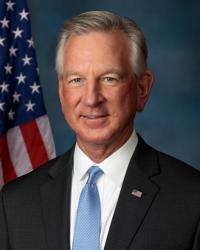
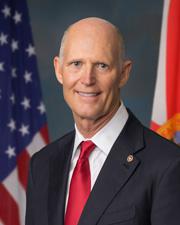
Sponsors and Cosponsors of SJRES 32




Latest Bills
TRAPS Act
Bill HR 4936September 18, 2026
Apples to Apples Comparison Act of 2025
Bill HR 4093September 18, 2026
American Lending Fairness Act of 2026
Bill HR 7866September 18, 2026
Civil Investigative Demand Reform Act of 2025
Bill HR 1653September 18, 2026
American Reserve Modernization Act of 2026
Bill HR 8957September 18, 2026
Preventive Health Savings Act
Bill HR 4464September 18, 2026
PEARL Act
Bill HR 9327September 18, 2026
Medically Tailored Home-Delivered Meals Program Pilot Act
Bill HR 5439September 18, 2026
To designate the facility of the United States Postal Service located at 117 West Lovett Street in Charlotte, Michigan, as the "Francis C. Flaherty Post Office Building".
Bill HR 9570September 18, 2026
To designate the facility of the United States Postal Service located at 1019 Avenue H in Fort Madison, Iowa, as the "Martin L. Graber Post Office".
Bill HR 4707September 18, 2026
Providing for congressional disapproval under chapter 8 of title 5, United States Code, of the rule submitted by the Centers for Medicare & Medicaid Services relating to "Medicare and Medicaid Programs; Omnibus COVID-19 Health Care Staff Vaccination".
Bill HJRES 67December 30, 2022