0
0
0
Recognizing the significant impact and legacy of Cecil Corbin-Mark in the environmental justice community and further recognizing that climate change most severely impacts vulnerable and disadvantaged communities in the United States and around the world, and that it is the responsibility of the United States Government to work with its global partners to promote environmental justice and climate.
12/31/2022, 4:57 AM
Summary of Bill HRES 460
Bill 117 HRES 460, also known as the Cecil Corbin-Mark Environmental Justice and Climate Change Resolution, aims to recognize the important contributions of Cecil Corbin-Mark in the environmental justice community. The bill acknowledges that climate change disproportionately affects vulnerable and disadvantaged communities in the United States and worldwide. It emphasizes the responsibility of the United States Government to collaborate with international partners to advocate for environmental justice and address climate change.
The resolution highlights the legacy of Cecil Corbin-Mark, a prominent figure in the environmental justice movement who dedicated his life to advocating for marginalized communities impacted by environmental issues. It underscores the urgent need for action to address the unequal burden of climate change on vulnerable populations, including low-income communities and communities of color.
Furthermore, the resolution calls for increased cooperation between the United States and other countries to promote environmental justice and combat climate change on a global scale. It emphasizes the importance of working together to address the root causes of environmental injustice and implement sustainable solutions that benefit all communities. In summary, Bill 117 HRES 460 recognizes the significant impact of Cecil Corbin-Mark in the environmental justice community and underscores the importance of addressing climate change in a way that prioritizes the needs of vulnerable and disadvantaged communities. It calls for collaboration between the United States and its global partners to promote environmental justice and work towards a more sustainable future for all.
The resolution highlights the legacy of Cecil Corbin-Mark, a prominent figure in the environmental justice movement who dedicated his life to advocating for marginalized communities impacted by environmental issues. It underscores the urgent need for action to address the unequal burden of climate change on vulnerable populations, including low-income communities and communities of color.
Furthermore, the resolution calls for increased cooperation between the United States and other countries to promote environmental justice and combat climate change on a global scale. It emphasizes the importance of working together to address the root causes of environmental injustice and implement sustainable solutions that benefit all communities. In summary, Bill 117 HRES 460 recognizes the significant impact of Cecil Corbin-Mark in the environmental justice community and underscores the importance of addressing climate change in a way that prioritizes the needs of vulnerable and disadvantaged communities. It calls for collaboration between the United States and its global partners to promote environmental justice and work towards a more sustainable future for all.
Congressional Summary of HRES 460
This resolution recognizes the significant impact and legacy of Cecil Corbin-Mark in the environmental justice community and further recognizes that climate change most severely impacts vulnerable and disadvantaged communities. In addition, the resolution urges the U.S. government to work with its global partners to pursue policies that prioritize climate adaptation among vulnerable and disadvantaged communities.
Read the Full Bill
Current Status of Bill HRES 460
Bill HRES 460 is currently in the status of Bill Introduced since June 4, 2021. Bill HRES 460 was introduced during Congress 117 and was introduced to the House on June 4, 2021. Bill HRES 460's most recent activity was Referred to the Subcommittee on Europe, Energy, the Environment and Cyber. as of August 4, 2021
Bipartisan Support of Bill HRES 460
Total Number of Sponsors
1Democrat Sponsors
1Republican Sponsors
0Unaffiliated Sponsors
0Total Number of Cosponsors
2Democrat Cosponsors
2Republican Cosponsors
0Unaffiliated Cosponsors
0Policy Area and Potential Impact of Bill HRES 460
Primary Policy Focus
Environmental ProtectionPotential Impact Areas
- Air quality
- Climate change and greenhouse gases
- Congressional tributes
- Environmental health
- International organizations and cooperation
- Racial and ethnic relations
Alternate Title(s) of Bill HRES 460
Recognizing the significant impact and legacy of Cecil Corbin-Mark in the environmental justice community and further recognizing that climate change most severely impacts vulnerable and disadvantaged communities in the United States and around the world, and that it is the responsibility of the United States Government to work with its global partners to promote environmental justice and climate.
Recognizing the significant impact and legacy of Cecil Corbin-Mark in the environmental justice community and further recognizing that climate change most severely impacts vulnerable and disadvantaged communities in the United States and around the world, and that it is the responsibility of the United States Government to work with its global partners to promote environmental justice and climate.
Comments
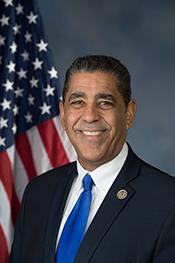
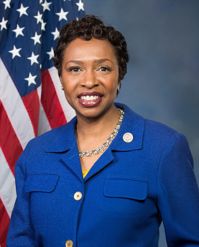
Sponsors and Cosponsors of HRES 460
Latest Bills
TRAPS Act
Bill HR 4936September 18, 2026
Apples to Apples Comparison Act of 2025
Bill HR 4093September 18, 2026
American Lending Fairness Act of 2026
Bill HR 7866September 18, 2026
Civil Investigative Demand Reform Act of 2025
Bill HR 1653September 18, 2026
American Reserve Modernization Act of 2026
Bill HR 8957September 18, 2026
Preventive Health Savings Act
Bill HR 4464September 18, 2026
PEARL Act
Bill HR 9327September 18, 2026
Medically Tailored Home-Delivered Meals Program Pilot Act
Bill HR 5439September 18, 2026
To designate the facility of the United States Postal Service located at 117 West Lovett Street in Charlotte, Michigan, as the "Francis C. Flaherty Post Office Building".
Bill HR 9570September 18, 2026
To designate the facility of the United States Postal Service located at 1019 Avenue H in Fort Madison, Iowa, as the "Martin L. Graber Post Office".
Bill HR 4707September 18, 2026