0
0
0
To prevent the use of additional Internal Revenue Service funds from being used for audits of taxpayers with taxable incomes below $400,000 in order to protect low- and middle-income earning American taxpayers from an onslaught of audits from an army of new Internal Revenue Service auditors funded by an unprecedented, nearly $80,000,000,000, infusion of new funds.
12/29/2022, 1:34 PM
Summary of Bill HR 9143
Bill 117 hr 9143 aims to prevent the Internal Revenue Service (IRS) from using additional funds for audits of taxpayers with taxable incomes below $400,000. The purpose of this bill is to protect low- and middle-income earning American taxpayers from facing audits by the IRS. The bill highlights concerns about the potential for an increase in audits due to a significant increase in funding for the IRS, totaling nearly $80 billion.
The bill seeks to ensure that taxpayers with taxable incomes below $400,000 are not unfairly targeted for audits by the IRS. By restricting the use of additional funds for audits of these taxpayers, the bill aims to provide a level of protection for individuals and families in this income bracket.
Overall, the goal of Bill 117 hr 9143 is to safeguard low- and middle-income earners from facing unnecessary audits by the IRS, particularly in light of the substantial increase in funding for the agency. The bill emphasizes the importance of protecting taxpayers in this income bracket and ensuring that they are not unduly burdened by audits.
The bill seeks to ensure that taxpayers with taxable incomes below $400,000 are not unfairly targeted for audits by the IRS. By restricting the use of additional funds for audits of these taxpayers, the bill aims to provide a level of protection for individuals and families in this income bracket.
Overall, the goal of Bill 117 hr 9143 is to safeguard low- and middle-income earners from facing unnecessary audits by the IRS, particularly in light of the substantial increase in funding for the agency. The bill emphasizes the importance of protecting taxpayers in this income bracket and ensuring that they are not unduly burdened by audits.
Congressional Summary of HR 9143
This bill prohibits the use of additional funds appropriated to the Internal Revenue Service under the Inflation Reduction Act of 2022 for audits of taxpayers with taxable incomes below $400,000.
Read the Full Bill
Current Status of Bill HR 9143
Bill HR 9143 is currently in the status of Bill Introduced since October 7, 2022. Bill HR 9143 was introduced during Congress 117 and was introduced to the House on October 7, 2022. Bill HR 9143's most recent activity was Referred to the House Committee on Ways and Means. as of October 7, 2022
Bipartisan Support of Bill HR 9143
Total Number of Sponsors
1Democrat Sponsors
0Republican Sponsors
1Unaffiliated Sponsors
0Total Number of Cosponsors
32Democrat Cosponsors
0Republican Cosponsors
32Unaffiliated Cosponsors
0Policy Area and Potential Impact of Bill HR 9143
Primary Policy Focus
TaxationAlternate Title(s) of Bill HR 9143
To prevent the use of additional Internal Revenue Service funds from being used for audits of taxpayers with taxable incomes below $400,000 in order to protect low- and middle-income earning American taxpayers from an onslaught of audits from an army of new Internal Revenue Service auditors funded by an unprecedented, nearly $80,000,000,000, infusion of new funds.
To prevent the use of additional Internal Revenue Service funds from being used for audits of taxpayers with taxable incomes below $400,000 in order to protect low- and middle-income earning American taxpayers from an onslaught of audits from an army of new Internal Revenue Service auditors funded by an unprecedented, nearly $80,000,000,000, infusion of new funds.
Comments
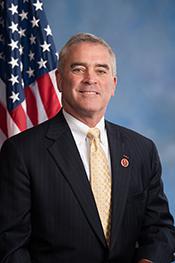
Sponsors and Cosponsors of HR 9143





Latest Bills
TRAPS Act
Bill HR 4936September 18, 2026
Apples to Apples Comparison Act of 2025
Bill HR 4093September 18, 2026
American Lending Fairness Act of 2026
Bill HR 7866September 18, 2026
Civil Investigative Demand Reform Act of 2025
Bill HR 1653September 18, 2026
American Reserve Modernization Act of 2026
Bill HR 8957September 18, 2026
Preventive Health Savings Act
Bill HR 4464September 18, 2026
PEARL Act
Bill HR 9327September 18, 2026
Medically Tailored Home-Delivered Meals Program Pilot Act
Bill HR 5439September 18, 2026
To designate the facility of the United States Postal Service located at 117 West Lovett Street in Charlotte, Michigan, as the "Francis C. Flaherty Post Office Building".
Bill HR 9570September 18, 2026
To designate the facility of the United States Postal Service located at 1019 Avenue H in Fort Madison, Iowa, as the "Martin L. Graber Post Office".
Bill HR 4707September 18, 2026
A bill to prevent the use of additional Internal Revenue Service funds from being used for audits of taxpayers with taxable incomes below $400,000 in order to protect low- and middle-income earning American taxpayers from an onslaught of audits from an army of new Internal Revenue Service auditors funded by an unprecedented, nearly $80,000,000,000, infusion of new funds.
Bill S 4817December 29, 2022