0
0
0
Fentanyl is a WMD Act
12/29/2022, 5:18 PM
Summary of Bill HR 8030
Bill 117 HR 8030, also known as the Fentanyl is a WMD Act, is a piece of legislation introduced in the US Congress. The purpose of this bill is to classify fentanyl as a weapon of mass destruction (WMD) under federal law. Fentanyl is a powerful synthetic opioid that is significantly more potent than other opioids such as heroin and morphine.
The bill aims to address the growing crisis of fentanyl-related deaths in the United States by increasing penalties for those who manufacture, distribute, or possess fentanyl with the intent to use it as a weapon. By classifying fentanyl as a WMD, the bill would allow law enforcement agencies to more effectively prosecute individuals involved in the illicit production and distribution of this dangerous drug.
Supporters of the bill argue that classifying fentanyl as a WMD will send a strong message to those involved in the illegal drug trade and help to deter the production and distribution of this deadly substance. Critics, however, have raised concerns about the potential impact of such a classification on individuals who may unknowingly come into contact with fentanyl or possess it for personal use. Overall, the Fentanyl is a WMD Act represents a significant effort to combat the growing threat of fentanyl-related deaths in the United States by increasing penalties for those involved in the illicit production and distribution of this dangerous drug. The bill is currently being considered by Congress and its ultimate fate remains to be seen.
The bill aims to address the growing crisis of fentanyl-related deaths in the United States by increasing penalties for those who manufacture, distribute, or possess fentanyl with the intent to use it as a weapon. By classifying fentanyl as a WMD, the bill would allow law enforcement agencies to more effectively prosecute individuals involved in the illicit production and distribution of this dangerous drug.
Supporters of the bill argue that classifying fentanyl as a WMD will send a strong message to those involved in the illegal drug trade and help to deter the production and distribution of this deadly substance. Critics, however, have raised concerns about the potential impact of such a classification on individuals who may unknowingly come into contact with fentanyl or possess it for personal use. Overall, the Fentanyl is a WMD Act represents a significant effort to combat the growing threat of fentanyl-related deaths in the United States by increasing penalties for those involved in the illicit production and distribution of this dangerous drug. The bill is currently being considered by Congress and its ultimate fate remains to be seen.
Congressional Summary of HR 8030
Fentanyl is a WMD Act
This bill requires the Department of Homeland Security to treat illicit fentanyl as a weapon of mass destruction.
Read the Full Bill
Current Status of Bill HR 8030
Bill HR 8030 is currently in the status of Bill Introduced since June 13, 2022. Bill HR 8030 was introduced during Congress 117 and was introduced to the House on June 13, 2022. Bill HR 8030's most recent activity was Referred to the Subcommittee on Emergency Preparedness, Response, and Recovery. as of June 14, 2022
Bipartisan Support of Bill HR 8030
Total Number of Sponsors
1Democrat Sponsors
0Republican Sponsors
1Unaffiliated Sponsors
0Total Number of Cosponsors
18Democrat Cosponsors
0Republican Cosponsors
18Unaffiliated Cosponsors
0Policy Area and Potential Impact of Bill HR 8030
Primary Policy Focus
Emergency ManagementPotential Impact Areas
- International Affairs
Alternate Title(s) of Bill HR 8030
Fentanyl is a WMD Act
Fentanyl is a WMD Act
To require the Assistant Secretary for the Countering Weapons of Mass Destruction Office of the Department of Homeland Security to treat illicit fentanyl as a weapon of mass destruction, and for other purposes.
Comments
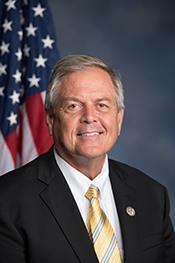
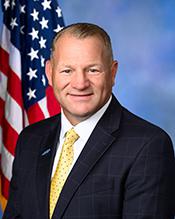
Sponsors and Cosponsors of HR 8030




Latest Bills
TRAPS Act
Bill HR 4936September 18, 2026
Apples to Apples Comparison Act of 2025
Bill HR 4093September 18, 2026
American Lending Fairness Act of 2026
Bill HR 7866September 18, 2026
Civil Investigative Demand Reform Act of 2025
Bill HR 1653September 18, 2026
American Reserve Modernization Act of 2026
Bill HR 8957September 18, 2026
Preventive Health Savings Act
Bill HR 4464September 18, 2026
PEARL Act
Bill HR 9327September 18, 2026
Medically Tailored Home-Delivered Meals Program Pilot Act
Bill HR 5439September 18, 2026
To designate the facility of the United States Postal Service located at 117 West Lovett Street in Charlotte, Michigan, as the "Francis C. Flaherty Post Office Building".
Bill HR 9570September 18, 2026
To designate the facility of the United States Postal Service located at 1019 Avenue H in Fort Madison, Iowa, as the "Martin L. Graber Post Office".
Bill HR 4707September 18, 2026