0
0
0
Judicial Ethics and Anti-Corruption Act of 2022
3/15/2023, 7:00 PM
Summary of Bill HR 7706
Bill 117 HR 7706, also known as the Judicial Ethics and Anti-Corruption Act of 2022, is a piece of legislation introduced in the US Congress aimed at addressing issues related to judicial ethics and corruption within the judicial system. The bill seeks to establish a code of conduct for federal judges, requiring them to adhere to strict ethical standards and guidelines in order to maintain the integrity and impartiality of the judiciary.
One of the key provisions of the bill is the establishment of a Judicial Conduct and Disability Act, which would create a process for investigating and disciplining federal judges who engage in unethical behavior or misconduct. The bill also includes measures to increase transparency and accountability within the judiciary, such as requiring judges to disclose financial interests and recuse themselves from cases where they have a conflict of interest.
Additionally, the bill aims to combat corruption within the judicial system by prohibiting judges from accepting gifts or other forms of compensation from parties with a vested interest in the outcome of a case. The bill also includes provisions to strengthen whistleblower protections for individuals who report judicial misconduct. Overall, Bill 117 HR 7706 represents a comprehensive effort to promote ethical behavior and combat corruption within the federal judiciary. If passed, the bill has the potential to improve public trust and confidence in the judicial system by holding judges accountable for their actions and ensuring that they uphold the highest standards of integrity and impartiality.
One of the key provisions of the bill is the establishment of a Judicial Conduct and Disability Act, which would create a process for investigating and disciplining federal judges who engage in unethical behavior or misconduct. The bill also includes measures to increase transparency and accountability within the judiciary, such as requiring judges to disclose financial interests and recuse themselves from cases where they have a conflict of interest.
Additionally, the bill aims to combat corruption within the judicial system by prohibiting judges from accepting gifts or other forms of compensation from parties with a vested interest in the outcome of a case. The bill also includes provisions to strengthen whistleblower protections for individuals who report judicial misconduct. Overall, Bill 117 HR 7706 represents a comprehensive effort to promote ethical behavior and combat corruption within the federal judiciary. If passed, the bill has the potential to improve public trust and confidence in the judicial system by holding judges accountable for their actions and ensuring that they uphold the highest standards of integrity and impartiality.
Congressional Summary of HR 7706
Judicial Ethics and Anti-Corruption Act of 2022
This bill makes various changes to the federal framework governing judicial ethics.
Among the changes, the bill
- prohibits federal judges and Supreme Court Justices from owning individual stocks and securities;
- requires the Judicial Conference of the United States to issue regulations restricting the solicitation or acceptance of gifts in connection with a private judicial seminar;
- expresses the sense of Congress that the Code of Conduct for U.S. Judges shall apply to Supreme Court Justices;
- requires federal judges and Supreme Court Justices to report on each association or interest that would require recusal, including any financial interest of a spouse or minor child who resides in the household; and
- establishes a committee to review complaints against the Supreme Court.
Read the Full Bill
Current Status of Bill HR 7706
Bill HR 7706 is currently in the status of Bill Introduced since May 10, 2022. Bill HR 7706 was introduced during Congress 117 and was introduced to the House on May 10, 2022. Bill HR 7706's most recent activity was Referred to the Subcommittee on Courts, Intellectual Property, and the Internet. as of November 1, 2022
Bipartisan Support of Bill HR 7706
Total Number of Sponsors
1Democrat Sponsors
1Republican Sponsors
0Unaffiliated Sponsors
0Total Number of Cosponsors
60Democrat Cosponsors
60Republican Cosponsors
0Unaffiliated Cosponsors
0Policy Area and Potential Impact of Bill HR 7706
Primary Policy Focus
LawAlternate Title(s) of Bill HR 7706
Judicial Ethics and Anti-Corruption Act of 2022
Judicial Ethics and Anti-Corruption Act of 2022
To establish judicial ethics.
Comments
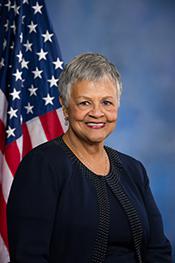
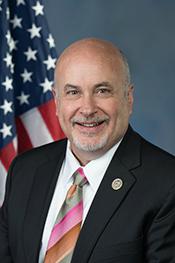
Sponsors and Cosponsors of HR 7706




Latest Bills
TRAPS Act
Bill HR 4936September 18, 2026
Apples to Apples Comparison Act of 2025
Bill HR 4093September 18, 2026
American Lending Fairness Act of 2026
Bill HR 7866September 18, 2026
Civil Investigative Demand Reform Act of 2025
Bill HR 1653September 18, 2026
American Reserve Modernization Act of 2026
Bill HR 8957September 18, 2026
Preventive Health Savings Act
Bill HR 4464September 18, 2026
PEARL Act
Bill HR 9327September 18, 2026
Medically Tailored Home-Delivered Meals Program Pilot Act
Bill HR 5439September 18, 2026
To designate the facility of the United States Postal Service located at 117 West Lovett Street in Charlotte, Michigan, as the "Francis C. Flaherty Post Office Building".
Bill HR 9570September 18, 2026
To designate the facility of the United States Postal Service located at 1019 Avenue H in Fort Madison, Iowa, as the "Martin L. Graber Post Office".
Bill HR 4707September 18, 2026
Anti-Corruption and Public Integrity Act
Bill S 5315September 26, 2023
Judicial Ethics and Anti-Corruption Act of 2022
Bill S 4177March 15, 2023
Anti-Corruption and Public Integrity Act
Bill HR 9623September 26, 2023