0
0
0
ECASH Act
12/29/2022, 10:03 PM
Summary of Bill HR 7231
The ECASH Act, also known as Bill 117 hr 7231, is a piece of legislation introduced in the US Congress. The main goal of this bill is to establish a digital currency issued by the Federal Reserve, known as "e-cash." This digital currency would be accessible to all Americans and would provide a secure and efficient means of conducting transactions.
The ECASH Act aims to modernize the US financial system by providing a digital alternative to traditional currency. This would allow for faster and more convenient transactions, as well as increased financial inclusion for those who may not have access to traditional banking services.
Additionally, the bill includes provisions for the protection of consumer data and privacy, as well as measures to prevent fraud and money laundering. The Federal Reserve would be responsible for overseeing the implementation and regulation of the e-cash system. Overall, the ECASH Act represents a significant step towards the digitalization of the US economy and the modernization of the financial system. It aims to provide Americans with a secure and efficient means of conducting transactions while also ensuring the protection of consumer data and privacy.
The ECASH Act aims to modernize the US financial system by providing a digital alternative to traditional currency. This would allow for faster and more convenient transactions, as well as increased financial inclusion for those who may not have access to traditional banking services.
Additionally, the bill includes provisions for the protection of consumer data and privacy, as well as measures to prevent fraud and money laundering. The Federal Reserve would be responsible for overseeing the implementation and regulation of the e-cash system. Overall, the ECASH Act represents a significant step towards the digitalization of the US economy and the modernization of the financial system. It aims to provide Americans with a secure and efficient means of conducting transactions while also ensuring the protection of consumer data and privacy.
Congressional Summary of HR 7231
Electronic Currency And Secure Hardware Act or the ECASH Act
This bill requires the Department of the Treasury to support the development of an electronic dollar.
The electronic dollar must be
- payable to the bearer;
- considered legal tender;
- an obligation of the United States;
- placed into circulation by Treasury;
- able to be directly used by the public; and
- capable of instantaneous, offline transactions using hardware devices not involving a third-party intermediary.
The bill also provides for privacy requirements applicable to any hardware device used for electronic dollar transactions.
Merchants who accept physical currency and the federal government must accept electronic dollars as a form of payment.
The bill also establishes
- the Electronic Currency Innovation Program to direct the development and implementation of electronic currency,
- the Digital Dollar Council to coordinate Treasury's activities with other government entities, and
- the Monetary Privacy Board to review and evaluate the electronic dollar program.
Finally, the bill provides for the establishment of a Treasury Electronic Currency Innovation Fund Account to carry out related programs.
Read the Full Bill
Current Status of Bill HR 7231
Bill HR 7231 is currently in the status of Bill Introduced since March 28, 2022. Bill HR 7231 was introduced during Congress 117 and was introduced to the House on March 28, 2022. Bill HR 7231's most recent activity was Referred to the House Committee on Financial Services. as of March 28, 2022
Bipartisan Support of Bill HR 7231
Total Number of Sponsors
1Democrat Sponsors
1Republican Sponsors
0Unaffiliated Sponsors
0Total Number of Cosponsors
8Democrat Cosponsors
8Republican Cosponsors
0Unaffiliated Cosponsors
0Policy Area and Potential Impact of Bill HR 7231
Primary Policy Focus
Finance and Financial SectorAlternate Title(s) of Bill HR 7231
ECASH Act
ECASH Act
Electronic Currency And Secure Hardware Act
To direct the Secretary of the Treasury to develop and pilot digital dollar technologies that replicate the privacy-respecting features of physical cash.
Comments
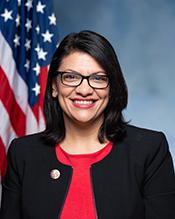
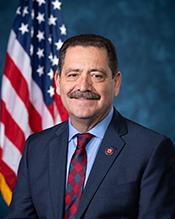
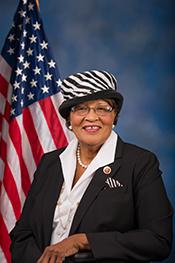
Sponsors and Cosponsors of HR 7231


Latest Bills
TRAPS Act
Bill HR 4936September 18, 2026
Apples to Apples Comparison Act of 2025
Bill HR 4093September 18, 2026
American Lending Fairness Act of 2026
Bill HR 7866September 18, 2026
Civil Investigative Demand Reform Act of 2025
Bill HR 1653September 18, 2026
American Reserve Modernization Act of 2026
Bill HR 8957September 18, 2026
Preventive Health Savings Act
Bill HR 4464September 18, 2026
PEARL Act
Bill HR 9327September 18, 2026
Medically Tailored Home-Delivered Meals Program Pilot Act
Bill HR 5439September 18, 2026
To designate the facility of the United States Postal Service located at 117 West Lovett Street in Charlotte, Michigan, as the "Francis C. Flaherty Post Office Building".
Bill HR 9570September 18, 2026
To designate the facility of the United States Postal Service located at 1019 Avenue H in Fort Madison, Iowa, as the "Martin L. Graber Post Office".
Bill HR 4707September 18, 2026