0
0
0
Preventing Mandates on Toddlers Act
12/30/2022, 3:04 AM
Summary of Bill HR 6312
Bill 117 HR 6312, also known as the Preventing Mandates on Toddlers Act, is a piece of legislation currently being considered by the US Congress. The purpose of this bill is to prevent any government mandates that would require toddlers, typically children between the ages of 1 and 3, to adhere to certain regulations or guidelines.
The bill aims to protect the rights of parents to make decisions regarding the care and upbringing of their young children without interference from the government. It seeks to ensure that parents have the freedom to raise their toddlers in a way that aligns with their own beliefs and values, without being forced to comply with any specific mandates imposed by federal or state authorities.
If passed, the Preventing Mandates on Toddlers Act would prohibit any government agency from implementing regulations or requirements that specifically target toddlers and impose restrictions on their care, education, or upbringing. This would include mandates related to nutrition, sleep schedules, screen time limits, or any other aspect of toddler care. Supporters of the bill argue that it is important to protect the rights of parents to make decisions for their young children, as they are in the best position to understand their child's individual needs and preferences. They believe that government mandates could infringe on parental autonomy and interfere with the parent-child relationship. Opponents of the bill may argue that certain regulations or guidelines are necessary to ensure the health and well-being of toddlers, and that parents may not always make the best decisions for their children. They may also raise concerns about the potential for abuse or neglect if parents are not held accountable to certain standards of care. Overall, the Preventing Mandates on Toddlers Act is a controversial piece of legislation that raises important questions about the balance between parental rights and government intervention in child-rearing. It will be interesting to see how this bill progresses through the legislative process and what impact it may have on the care of young children in the United States.
The bill aims to protect the rights of parents to make decisions regarding the care and upbringing of their young children without interference from the government. It seeks to ensure that parents have the freedom to raise their toddlers in a way that aligns with their own beliefs and values, without being forced to comply with any specific mandates imposed by federal or state authorities.
If passed, the Preventing Mandates on Toddlers Act would prohibit any government agency from implementing regulations or requirements that specifically target toddlers and impose restrictions on their care, education, or upbringing. This would include mandates related to nutrition, sleep schedules, screen time limits, or any other aspect of toddler care. Supporters of the bill argue that it is important to protect the rights of parents to make decisions for their young children, as they are in the best position to understand their child's individual needs and preferences. They believe that government mandates could infringe on parental autonomy and interfere with the parent-child relationship. Opponents of the bill may argue that certain regulations or guidelines are necessary to ensure the health and well-being of toddlers, and that parents may not always make the best decisions for their children. They may also raise concerns about the potential for abuse or neglect if parents are not held accountable to certain standards of care. Overall, the Preventing Mandates on Toddlers Act is a controversial piece of legislation that raises important questions about the balance between parental rights and government intervention in child-rearing. It will be interesting to see how this bill progresses through the legislative process and what impact it may have on the care of young children in the United States.
Congressional Summary of HR 6312
Preventing Mandates on Toddlers Act
This bill prohibits federal funds from being used to implement or enforce the Department of Health and Human Services' rule titled Vaccine and Mask Requirements To Mitigate the Spread of COVID-19 in Head Start Programs, published on November 30, 2021, or any substantially similar rule, regulation, or agency statement.
Read the Full Bill
Current Status of Bill HR 6312
Bill HR 6312 is currently in the status of Bill Introduced since December 16, 2021. Bill HR 6312 was introduced during Congress 117 and was introduced to the House on December 16, 2021. Bill HR 6312's most recent activity was Referred to the House Committee on Education and Labor. as of December 16, 2021
Bipartisan Support of Bill HR 6312
Total Number of Sponsors
1Democrat Sponsors
0Republican Sponsors
1Unaffiliated Sponsors
0Total Number of Cosponsors
10Democrat Cosponsors
0Republican Cosponsors
10Unaffiliated Cosponsors
0Policy Area and Potential Impact of Bill HR 6312
Primary Policy Focus
HealthPotential Impact Areas
- Administrative law and regulatory procedures
- Cardiovascular and respiratory health
- Child health
- Department of Health and Human Services
- Education
- Emergency medical services and trauma care
- Health programs administration and funding
- Health technology, devices, supplies
- Immunology and vaccination
- Infectious and parasitic diseases
- Preschool education
- Teaching, teachers, curricula
- Worker safety and health
Alternate Title(s) of Bill HR 6312
Preventing Mandates on Toddlers Act
Preventing Mandates on Toddlers Act
To prohibit the use of Federal funds to enforce the rule submitted by the Department of Health and Human Services relating to COVID-19 vaccine and mask requirements for Head Start programs.
Comments
Sponsors and Cosponsors of HR 6312
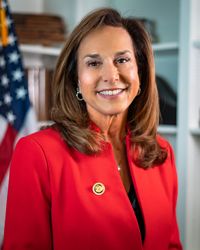
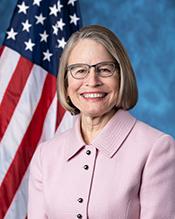

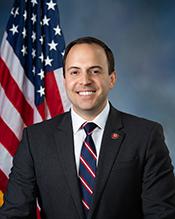
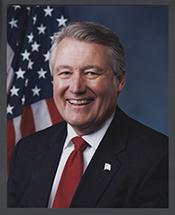
Latest Bills
TRAPS Act
Bill HR 4936September 18, 2026
Apples to Apples Comparison Act of 2025
Bill HR 4093September 18, 2026
American Lending Fairness Act of 2026
Bill HR 7866September 18, 2026
Civil Investigative Demand Reform Act of 2025
Bill HR 1653September 18, 2026
American Reserve Modernization Act of 2026
Bill HR 8957September 18, 2026
Preventive Health Savings Act
Bill HR 4464September 18, 2026
PEARL Act
Bill HR 9327September 18, 2026
Medically Tailored Home-Delivered Meals Program Pilot Act
Bill HR 5439September 18, 2026
To designate the facility of the United States Postal Service located at 117 West Lovett Street in Charlotte, Michigan, as the "Francis C. Flaherty Post Office Building".
Bill HR 9570September 18, 2026
To designate the facility of the United States Postal Service located at 1019 Avenue H in Fort Madison, Iowa, as the "Martin L. Graber Post Office".
Bill HR 4707September 18, 2026