0
0

Judiciary Accountability Act of 2021

12/31/2022, 5:04 AM

Summary of Bill HR 4827

Bill 117 HR 4827, also known as the Judiciary Accountability Act of 2021, aims to increase transparency and accountability within the judicial branch of the United States government. The bill focuses on several key areas, including judicial misconduct, ethics, and transparency.

One of the main provisions of the bill is the establishment of a code of conduct for judges, which outlines ethical standards and guidelines for behavior. This code of conduct aims to ensure that judges uphold the highest standards of integrity and impartiality in their decision-making.

Additionally, the bill seeks to improve the process for handling complaints of judicial misconduct. It establishes a new independent body, the Judicial Conduct Review Board, which will be responsible for investigating and addressing allegations of misconduct by federal judges. This board will have the authority to recommend disciplinary action, including removal from office, for judges found to have violated the code of conduct. The Judiciary Accountability Act also includes provisions aimed at increasing transparency within the judicial branch. It requires judges to disclose financial interests and potential conflicts of interest, as well as any gifts or travel expenses they receive. This information will be made publicly available to ensure accountability and prevent any undue influence on judicial decision-making. Overall, Bill 117 HR 4827 seeks to promote integrity, accountability, and transparency within the federal judiciary. By establishing clear ethical standards, improving the process for addressing misconduct, and increasing transparency, the bill aims to uphold the public's trust in the judicial branch of government.

Congressional Summary of HR 4827

Judiciary Accountability Act of 2021

This bill applies certain civil rights and employee protection laws to judicial branch employees.

Specifically, the bill applies to judicial branch employees laws that prohibit discrimination based on race, color, religion, sex (including sexual orientation or gender identity), national origin, age, or disability.

Further, the bill prohibits retaliation against whistleblowers within the judicial branch.

Additionally, the bill establishes (1) the Commission on Judicial Integrity to oversee a program to prevent workplace misconduct; (2) the Office of Judicial Integrity to oversee confidential reporting systems regarding workplace misconduct, training programs on workplace behavior and bystander intervention, and other reporting initiatives regarding employee metrics and demographics; (3) the Special Counsel for Equal Employment Opportunity to investigate alleged workplace misconduct and complaints; and (4) the Office of Employee Advocacy to provide legal assistance, representation, and consultation to judicial employees.

Finally, the bill establishes workplace discrimination, harassment, and retaliation as judicial misconduct.

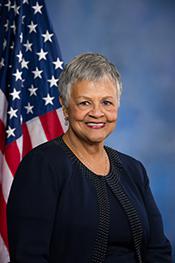
Current Status of Bill HR 4827

Bill HR 4827 is currently in the status of Bill Introduced since July 29, 2021. Bill HR 4827 was introduced during Congress 117 and was introduced to the House on July 29, 2021.  Bill HR 4827's most recent activity was Referred to the Subcommittee on Courts, Intellectual Property, and the Internet. as of November 1, 2022

Bipartisan Support of Bill HR 4827

Total Number of Sponsors
1
Democrat Sponsors
1
Republican Sponsors
0
Unaffiliated Sponsors
0
Total Number of Cosponsors
42
Democrat Cosponsors
40
Republican Cosponsors
2
Unaffiliated Cosponsors
0

Policy Area and Potential Impact of Bill HR 4827

Primary Policy Focus

Potential Impact Areas

- Government Operations and Politics

Alternate Title(s) of Bill HR 4827

To amend title 28, United States Code, to protect employees of the Federal judiciary from discrimination, and for other purposes.
Judiciary Accountability Act of 2021

Comments

Latest Bills

Sport Fish Restoration, Recreational Boating Safety, and Wildlife Restoration Act of 2026
Bill S 4250April 22, 2026
SAFE Act
Bill S 4280April 22, 2026
A joint resolution to direct the removal of United States Armed Forces from hostilities within or against the Islamic Republic of Iran that have not been authorized by Congress.
Bill SJRES 161April 22, 2026
A joint resolution to direct the removal of United States Armed Forces from hostilities within or against the Islamic Republic of Iran that have not been authorized by Congress.
Bill SJRES 180April 22, 2026
A joint resolution to direct the removal of United States Armed Forces from hostilities within or against the Islamic Republic of Iran that have not been authorized by Congress.
Bill SJRES 116April 22, 2026
A bill to amend the Agricultural Marketing Act of 1946 to maintain certain State and Tribal laws relating to hemp, and for other purposes.
Bill S 4315April 22, 2026
A resolution supporting the designation of the week of April 11 through April 17, 2026, as "Black Maternal Health Week", founded by Black Mamas Matter Alliance, Inc., to bring national attention to the maternal and reproductive health crisis in the United States and the importance of reducing maternal mortality and morbidity among Black women and birthing people.
Bill SRES 675April 22, 2026
Expressing the sense of the House of Representatives that as the United States marks 250 years of independence, establishing a "Veterans Appreciation Month" offers a simple but powerful way for the Nation to recognize the men and women whose service has protected American freedom for generations.
Bill HRES 1204April 22, 2026
Recognizing the 200th anniversary of the heroic Exodus of Missolonghi and commemorating its historical significance to the Greek War of Independence.
Bill HRES 1203April 22, 2026
To amend the Marine Mammal Protection Act of 1972 to allow the transport, purchase, and sale of pelts of, and handicrafts, garments, and art produced from, Southcentral and Southeast Alaska northern sea otters that are taken for subsistence purposes.
Bill HR 8401April 22, 2026