0
0
0
Zero Food Waste Act
12/31/2022, 5:07 AM
Summary of Bill HR 4444
The Zero Food Waste Act, also known as Bill 117 hr 4444, is a piece of legislation currently being considered by the US Congress. The main goal of this bill is to reduce food waste in the United States by implementing various measures to encourage the donation and recycling of excess food.
One key provision of the Zero Food Waste Act is the establishment of a national food waste reduction goal, which aims to cut food waste in half by a certain target year. This goal would be achieved through a combination of efforts, including increasing food donation and composting programs, as well as implementing educational campaigns to raise awareness about the issue of food waste.
Additionally, the bill includes provisions to incentivize businesses and individuals to reduce their food waste, such as tax incentives for food donations and grants for organizations that implement food waste reduction programs. The Zero Food Waste Act also calls for the creation of a national food waste reduction plan, which would outline specific strategies and goals for reducing food waste across the country. Overall, the Zero Food Waste Act is a comprehensive piece of legislation aimed at addressing the significant problem of food waste in the United States. By implementing measures to encourage food donation, recycling, and education, this bill has the potential to make a significant impact in reducing food waste and promoting sustainability in the food industry.
One key provision of the Zero Food Waste Act is the establishment of a national food waste reduction goal, which aims to cut food waste in half by a certain target year. This goal would be achieved through a combination of efforts, including increasing food donation and composting programs, as well as implementing educational campaigns to raise awareness about the issue of food waste.
Additionally, the bill includes provisions to incentivize businesses and individuals to reduce their food waste, such as tax incentives for food donations and grants for organizations that implement food waste reduction programs. The Zero Food Waste Act also calls for the creation of a national food waste reduction plan, which would outline specific strategies and goals for reducing food waste across the country. Overall, the Zero Food Waste Act is a comprehensive piece of legislation aimed at addressing the significant problem of food waste in the United States. By implementing measures to encourage food donation, recycling, and education, this bill has the potential to make a significant impact in reducing food waste and promoting sustainability in the food industry.
Congressional Summary of HR 4444
Zero Food Waste Act
This bill directs the Environmental Protection Agency to establish a grant program to study and reduce food waste.
Read the Full Bill
Current Status of Bill HR 4444
Bill HR 4444 is currently in the status of Bill Introduced since July 16, 2021. Bill HR 4444 was introduced during Congress 117 and was introduced to the House on July 16, 2021. Bill HR 4444's most recent activity was Referred to the Subcommittee on Environment and Climate Change. as of July 19, 2021
Bipartisan Support of Bill HR 4444
Total Number of Sponsors
1Democrat Sponsors
1Republican Sponsors
0Unaffiliated Sponsors
0Total Number of Cosponsors
22Democrat Cosponsors
22Republican Cosponsors
0Unaffiliated Cosponsors
0Policy Area and Potential Impact of Bill HR 4444
Primary Policy Focus
Environmental ProtectionAlternate Title(s) of Bill HR 4444
To provide grants to reduce the amount of food waste, and for other purposes.
Zero Food Waste Act
Zero Food Waste Act
Comments
Sponsors and Cosponsors of HR 4444
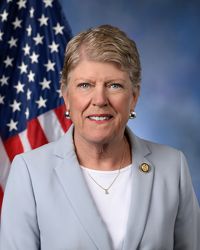
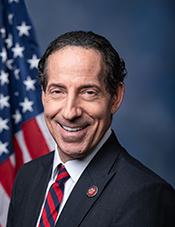
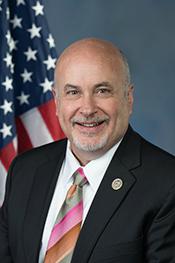

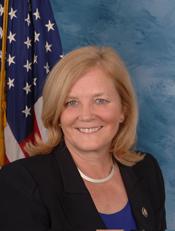

Latest Bills
TRAPS Act
Bill HR 4936September 18, 2026
Apples to Apples Comparison Act of 2025
Bill HR 4093September 18, 2026
American Lending Fairness Act of 2026
Bill HR 7866September 18, 2026
Civil Investigative Demand Reform Act of 2025
Bill HR 1653September 18, 2026
American Reserve Modernization Act of 2026
Bill HR 8957September 18, 2026
Preventive Health Savings Act
Bill HR 4464September 18, 2026
PEARL Act
Bill HR 9327September 18, 2026
Medically Tailored Home-Delivered Meals Program Pilot Act
Bill HR 5439September 18, 2026
To designate the facility of the United States Postal Service located at 117 West Lovett Street in Charlotte, Michigan, as the "Francis C. Flaherty Post Office Building".
Bill HR 9570September 18, 2026
To designate the facility of the United States Postal Service located at 1019 Avenue H in Fort Madison, Iowa, as the "Martin L. Graber Post Office".
Bill HR 4707September 18, 2026