0
0
0
Clean Energy Protection Act
12/31/2022, 5:07 AM
Summary of Bill HR 4394
The Clean Energy Protection Act, also known as Bill 117 hr 4394, is a piece of legislation currently being considered by the US Congress. The main goal of this bill is to promote the use of clean energy sources and reduce the country's reliance on fossil fuels.
One of the key provisions of the Clean Energy Protection Act is the establishment of a Clean Energy Standard, which would require a certain percentage of electricity to be generated from renewable sources such as wind, solar, and hydroelectric power. This standard aims to reduce greenhouse gas emissions and combat climate change.
Additionally, the bill includes measures to incentivize the development and deployment of clean energy technologies, such as tax credits for renewable energy projects and funding for research and development in the clean energy sector. It also seeks to create jobs in the clean energy industry and promote economic growth. Furthermore, the Clean Energy Protection Act includes provisions to protect public health and the environment by regulating emissions from power plants and other sources of pollution. It also aims to improve energy efficiency in buildings and transportation, reducing energy consumption and lowering costs for consumers. Overall, the Clean Energy Protection Act is a comprehensive piece of legislation that seeks to transition the United States towards a more sustainable and environmentally friendly energy system. It addresses key issues such as climate change, air pollution, and energy security, and aims to create a cleaner and more prosperous future for all Americans.
One of the key provisions of the Clean Energy Protection Act is the establishment of a Clean Energy Standard, which would require a certain percentage of electricity to be generated from renewable sources such as wind, solar, and hydroelectric power. This standard aims to reduce greenhouse gas emissions and combat climate change.
Additionally, the bill includes measures to incentivize the development and deployment of clean energy technologies, such as tax credits for renewable energy projects and funding for research and development in the clean energy sector. It also seeks to create jobs in the clean energy industry and promote economic growth. Furthermore, the Clean Energy Protection Act includes provisions to protect public health and the environment by regulating emissions from power plants and other sources of pollution. It also aims to improve energy efficiency in buildings and transportation, reducing energy consumption and lowering costs for consumers. Overall, the Clean Energy Protection Act is a comprehensive piece of legislation that seeks to transition the United States towards a more sustainable and environmentally friendly energy system. It addresses key issues such as climate change, air pollution, and energy security, and aims to create a cleaner and more prosperous future for all Americans.
Congressional Summary of HR 4394
Clean Energy Protection Act
This bill sets forth provisions to enable the Diablo Canyon nuclear power plant in California to remain in operation.
Specifically, it directs California and the Nuclear Regulatory Commission to issue any permits or licenses that are necessary to enable the power plant to remain in operation.
Read the Full Bill
Current Status of Bill HR 4394
Bill HR 4394 is currently in the status of Bill Introduced since July 9, 2021. Bill HR 4394 was introduced during Congress 117 and was introduced to the House on July 9, 2021. Bill HR 4394's most recent activity was ASSUMING FIRST SPONSORSHIP - Mr. Calvert asked unanimous consent that he may hereafter be considered as the first sponsor of H.R. 4394, a bill originally introduced by Representative Nunes, for the purpose of adding cosponsors and requesting reprintings pursuant to clause 7 of rule XII. Agreed to without objection. as of January 13, 2022
Bipartisan Support of Bill HR 4394
Total Number of Sponsors
1Democrat Sponsors
0Republican Sponsors
1Unaffiliated Sponsors
0Total Number of Cosponsors
20Democrat Cosponsors
0Republican Cosponsors
20Unaffiliated Cosponsors
0Policy Area and Potential Impact of Bill HR 4394
Primary Policy Focus
EnergyPotential Impact Areas
- California
- Electric power generation and transmission
- Licensing and registrations
- Nuclear power
Alternate Title(s) of Bill HR 4394
To ensure the continued operation of the Diablo Canyon power plant, and for other purposes.
Clean Energy Protection Act
Clean Energy Protection Act
Comments
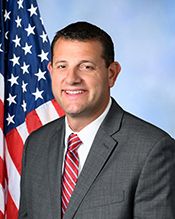
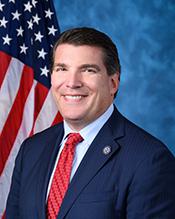
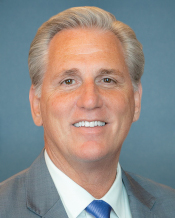
Sponsors and Cosponsors of HR 4394


Latest Bills
TRAPS Act
Bill HR 4936September 18, 2026
Apples to Apples Comparison Act of 2025
Bill HR 4093September 18, 2026
American Lending Fairness Act of 2026
Bill HR 7866September 18, 2026
Civil Investigative Demand Reform Act of 2025
Bill HR 1653September 18, 2026
American Reserve Modernization Act of 2026
Bill HR 8957September 18, 2026
Preventive Health Savings Act
Bill HR 4464September 18, 2026
PEARL Act
Bill HR 9327September 18, 2026
Medically Tailored Home-Delivered Meals Program Pilot Act
Bill HR 5439September 18, 2026
To designate the facility of the United States Postal Service located at 117 West Lovett Street in Charlotte, Michigan, as the "Francis C. Flaherty Post Office Building".
Bill HR 9570September 18, 2026
To designate the facility of the United States Postal Service located at 1019 Avenue H in Fort Madison, Iowa, as the "Martin L. Graber Post Office".
Bill HR 4707September 18, 2026