0
0
0
Medicare Dental, Vision, and Hearing Benefit Act of 2021
12/31/2022, 5:08 AM
Summary of Bill HR 4311
Bill 117 HR 4311, also known as the Medicare Dental, Vision, and Hearing Benefit Act of 2021, aims to expand Medicare coverage to include dental, vision, and hearing benefits for eligible beneficiaries. The bill was introduced in the House of Representatives on September 14, 2021, by Representative Lloyd Doggett from Texas.
If passed, this legislation would provide Medicare beneficiaries with coverage for routine dental care, such as cleanings, fillings, and extractions, as well as coverage for vision services, including eye exams, glasses, and contact lenses. Additionally, the bill would cover hearing aids and other hearing-related services for eligible beneficiaries.
The goal of the Medicare Dental, Vision, and Hearing Benefit Act of 2021 is to improve the overall health and well-being of Medicare beneficiaries by ensuring they have access to essential healthcare services that are currently not covered under traditional Medicare plans. Proponents of the bill argue that expanding Medicare coverage to include dental, vision, and hearing benefits would help prevent and treat common health issues related to these areas, ultimately leading to better health outcomes for older Americans. Opponents of the bill may argue that expanding Medicare coverage to include dental, vision, and hearing benefits could be costly and may require increased funding or changes to the current Medicare program. However, supporters of the legislation believe that the long-term benefits of providing these essential healthcare services to Medicare beneficiaries outweigh any potential costs. Overall, the Medicare Dental, Vision, and Hearing Benefit Act of 2021 seeks to address gaps in Medicare coverage and improve the quality of care for older Americans by expanding access to important dental, vision, and hearing services. The bill is currently under review in the House of Representatives, and its future progress will depend on the support it receives from lawmakers and stakeholders.
If passed, this legislation would provide Medicare beneficiaries with coverage for routine dental care, such as cleanings, fillings, and extractions, as well as coverage for vision services, including eye exams, glasses, and contact lenses. Additionally, the bill would cover hearing aids and other hearing-related services for eligible beneficiaries.
The goal of the Medicare Dental, Vision, and Hearing Benefit Act of 2021 is to improve the overall health and well-being of Medicare beneficiaries by ensuring they have access to essential healthcare services that are currently not covered under traditional Medicare plans. Proponents of the bill argue that expanding Medicare coverage to include dental, vision, and hearing benefits would help prevent and treat common health issues related to these areas, ultimately leading to better health outcomes for older Americans. Opponents of the bill may argue that expanding Medicare coverage to include dental, vision, and hearing benefits could be costly and may require increased funding or changes to the current Medicare program. However, supporters of the legislation believe that the long-term benefits of providing these essential healthcare services to Medicare beneficiaries outweigh any potential costs. Overall, the Medicare Dental, Vision, and Hearing Benefit Act of 2021 seeks to address gaps in Medicare coverage and improve the quality of care for older Americans by expanding access to important dental, vision, and hearing services. The bill is currently under review in the House of Representatives, and its future progress will depend on the support it receives from lawmakers and stakeholders.
Congressional Summary of HR 4311
Medicare Dental, Vision, and Hearing Benefit Act of 2021
This bill provides for Medicare coverage of dental, vision, and hearing care. Coverage includes (1) routine dental cleanings and exams, basic and major dental services, emergency dental care, and dentures; (2) routine eye exams, eyeglasses, and contact lenses; and (3) routine hearing exams, hearing aids, and exams for hearing aids. With respect to such care, the bill establishes special payment rules, limitations, and coinsurance requirements.
Read the Full Bill
Current Status of Bill HR 4311
Bill HR 4311 is currently in the status of Bill Introduced since July 1, 2021. Bill HR 4311 was introduced during Congress 117 and was introduced to the House on July 1, 2021. Bill HR 4311's most recent activity was Referred to the Subcommittee on Health. as of July 2, 2021
Bipartisan Support of Bill HR 4311
Total Number of Sponsors
1Democrat Sponsors
1Republican Sponsors
0Unaffiliated Sponsors
0Total Number of Cosponsors
228Democrat Cosponsors
228Republican Cosponsors
0Unaffiliated Cosponsors
0Policy Area and Potential Impact of Bill HR 4311
Primary Policy Focus
HealthAlternate Title(s) of Bill HR 4311
To amend title XVIII of the Social Security Act to provide for coverage of dental, vision, and hearing care under the Medicare program.
Medicare Dental, Vision, and Hearing Benefit Act of 2021
Medicare Dental, Vision, and Hearing Benefit Act of 2021
Comments
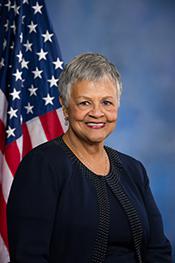
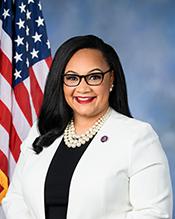
Sponsors and Cosponsors of HR 4311



Latest Bills
TRAPS Act
Bill HR 4936September 18, 2026
Apples to Apples Comparison Act of 2025
Bill HR 4093September 18, 2026
American Lending Fairness Act of 2026
Bill HR 7866September 18, 2026
Civil Investigative Demand Reform Act of 2025
Bill HR 1653September 18, 2026
American Reserve Modernization Act of 2026
Bill HR 8957September 18, 2026
Preventive Health Savings Act
Bill HR 4464September 18, 2026
PEARL Act
Bill HR 9327September 18, 2026
Medically Tailored Home-Delivered Meals Program Pilot Act
Bill HR 5439September 18, 2026
To designate the facility of the United States Postal Service located at 117 West Lovett Street in Charlotte, Michigan, as the "Francis C. Flaherty Post Office Building".
Bill HR 9570September 18, 2026
To designate the facility of the United States Postal Service located at 1019 Avenue H in Fort Madison, Iowa, as the "Martin L. Graber Post Office".
Bill HR 4707September 18, 2026