0
0
0
Pandemic Unemployment Assistance Fraud Protection Act
12/31/2022, 4:58 AM
Summary of Bill HR 4190
Bill 117 HR 4190, also known as the Pandemic Unemployment Assistance Fraud Protection Act, is a piece of legislation introduced in the US Congress. The purpose of this bill is to address the issue of fraudulent claims for unemployment benefits during the COVID-19 pandemic.
The bill aims to strengthen measures to prevent and detect fraudulent claims for Pandemic Unemployment Assistance (PUA) by requiring states to implement additional verification procedures for claimants. This includes verifying the identity of claimants through the use of biometric data or other secure methods.
Additionally, the bill seeks to increase penalties for individuals found guilty of committing unemployment benefits fraud. This includes fines, imprisonment, and restitution of fraudulently obtained benefits. Furthermore, the bill calls for increased coordination between federal and state agencies to share information and resources in order to better detect and prevent fraudulent claims. Overall, the Pandemic Unemployment Assistance Fraud Protection Act is designed to protect the integrity of the unemployment benefits system and ensure that funds are distributed to those who are truly in need during the pandemic.
The bill aims to strengthen measures to prevent and detect fraudulent claims for Pandemic Unemployment Assistance (PUA) by requiring states to implement additional verification procedures for claimants. This includes verifying the identity of claimants through the use of biometric data or other secure methods.
Additionally, the bill seeks to increase penalties for individuals found guilty of committing unemployment benefits fraud. This includes fines, imprisonment, and restitution of fraudulently obtained benefits. Furthermore, the bill calls for increased coordination between federal and state agencies to share information and resources in order to better detect and prevent fraudulent claims. Overall, the Pandemic Unemployment Assistance Fraud Protection Act is designed to protect the integrity of the unemployment benefits system and ensure that funds are distributed to those who are truly in need during the pandemic.
Congressional Summary of HR 4190
Pandemic Unemployment Assistance Fraud Protection Act
This bill creates several requirements for states to address fraudulent claims for Pandemic Unemployment Assistance (PUA), temporarily increases penalties for fraud related to PUA, and requires each state to establish a hotline for victims of unemployment fraud.
Specifically, the bill requires states to
- cross reference PUA claims with federal and state prison records and E-Verify to ensure that claimants are eligible for PUA,
- submit to the Department of Labor plans to recover fraudulently obtained PUA,
- develop an anti-fraud task force to investigate and recover fraudulently obtained PUA,
- make restitution to Labor for the amount of any overpayment of PUA made by the state, and
- establish a hotline designed to encourage individuals who are victims of unemployment fraud and have received an incorrect statement of unemployment compensation to report that fraud.
The bill also temporarily enhances the maximum penalty for fraud related to PUA through December 31, 2021, so that the offense is classified as fraud in relation to a presidentially declared major disaster or emergency and punishable by up to 30 years imprisonment, a fine of up to $1,000,000, or both.
Read the Full Bill
Current Status of Bill HR 4190
Bill HR 4190 is currently in the status of Bill Introduced since June 25, 2021. Bill HR 4190 was introduced during Congress 117 and was introduced to the House on June 25, 2021. Bill HR 4190's most recent activity was Referred to the Committee on Ways and Means, and in addition to the Committee on the Judiciary, for a period to be subsequently determined by the Speaker, in each case for consideration of such provisions as fall within the jurisdiction of the committee concerned. as of June 25, 2021
Bipartisan Support of Bill HR 4190
Total Number of Sponsors
1Democrat Sponsors
0Republican Sponsors
1Unaffiliated Sponsors
0Total Number of Cosponsors
56Democrat Cosponsors
2Republican Cosponsors
54Unaffiliated Cosponsors
0Policy Area and Potential Impact of Bill HR 4190
Primary Policy Focus
Labor and EmploymentPotential Impact Areas
- Border security and unlawful immigration
- Computer security and identity theft
- Congressional oversight
- Correctional facilities and imprisonment
- Fraud offenses and financial crimes
- Government information and archives
- Government trust funds
- Immigration status and procedures
- Intergovernmental relations
- State and local finance
- State and local government operations
- Tax administration and collection, taxpayers
- Telephone and wireless communication
- Unemployment
- User charges and fees
Alternate Title(s) of Bill HR 4190
To impose anti-fraud requirements with respect to certain unemployment benefits authorized under the CARES Act, and for other purposes.
Pandemic Unemployment Assistance Fraud Protection Act
Pandemic Unemployment Assistance Fraud Protection Act
Comments
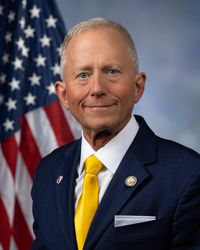
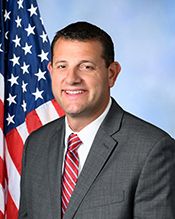
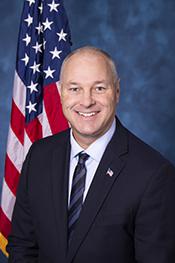
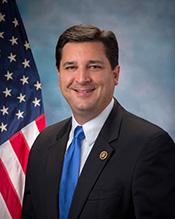
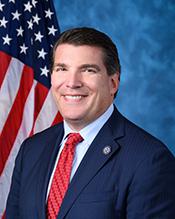
Sponsors and Cosponsors of HR 4190

Latest Bills
TRAPS Act
Bill HR 4936September 18, 2026
Apples to Apples Comparison Act of 2025
Bill HR 4093September 18, 2026
American Lending Fairness Act of 2026
Bill HR 7866September 18, 2026
Civil Investigative Demand Reform Act of 2025
Bill HR 1653September 18, 2026
American Reserve Modernization Act of 2026
Bill HR 8957September 18, 2026
Preventive Health Savings Act
Bill HR 4464September 18, 2026
PEARL Act
Bill HR 9327September 18, 2026
Medically Tailored Home-Delivered Meals Program Pilot Act
Bill HR 5439September 18, 2026
To designate the facility of the United States Postal Service located at 117 West Lovett Street in Charlotte, Michigan, as the "Francis C. Flaherty Post Office Building".
Bill HR 9570September 18, 2026
To designate the facility of the United States Postal Service located at 1019 Avenue H in Fort Madison, Iowa, as the "Martin L. Graber Post Office".
Bill HR 4707September 18, 2026