0
0
0
Ban Corporate PACs Act
3/15/2023, 7:00 PM
Summary of Bill HR 2692
Bill 117 HR 2692, also known as the Ban Corporate PACs Act, is a piece of legislation introduced in the US Congress. The main goal of this bill is to prohibit corporations from forming political action committees (PACs) and making contributions to federal candidates, political parties, or other PACs.
If passed, this bill would effectively eliminate the ability of corporations to use PACs as a means of influencing elections and policy decisions. Supporters of the Ban Corporate PACs Act argue that it would help to reduce the influence of big money in politics and ensure that elected officials are accountable to the interests of their constituents rather than wealthy corporate donors.
Opponents of the bill, on the other hand, argue that it would infringe on the free speech rights of corporations and limit their ability to participate in the political process. They also raise concerns about the potential impact on fundraising for political campaigns and the ability of corporations to advocate for policies that align with their business interests. Overall, the Ban Corporate PACs Act is a controversial piece of legislation that raises important questions about the role of money in politics and the influence of corporations on the democratic process. It remains to be seen whether this bill will gain enough support to pass in Congress and become law.
If passed, this bill would effectively eliminate the ability of corporations to use PACs as a means of influencing elections and policy decisions. Supporters of the Ban Corporate PACs Act argue that it would help to reduce the influence of big money in politics and ensure that elected officials are accountable to the interests of their constituents rather than wealthy corporate donors.
Opponents of the bill, on the other hand, argue that it would infringe on the free speech rights of corporations and limit their ability to participate in the political process. They also raise concerns about the potential impact on fundraising for political campaigns and the ability of corporations to advocate for policies that align with their business interests. Overall, the Ban Corporate PACs Act is a controversial piece of legislation that raises important questions about the role of money in politics and the influence of corporations on the democratic process. It remains to be seen whether this bill will gain enough support to pass in Congress and become law.
Congressional Summary of HR 2692
Ban Corporate PACs Act
This bill prohibits for-profit corporations from establishing or operating a separate segregated political fund (commonly known as a political action committee or PAC). Existing funds must terminate not later than one year after the date of enactment of this bill.
Read the Full Bill
Current Status of Bill HR 2692
Bill HR 2692 is currently in the status of Bill Introduced since April 20, 2021. Bill HR 2692 was introduced during Congress 117 and was introduced to the House on April 20, 2021. Bill HR 2692's most recent activity was Referred to the House Committee on House Administration. as of April 20, 2021
Bipartisan Support of Bill HR 2692
Total Number of Sponsors
1Democrat Sponsors
1Republican Sponsors
0Unaffiliated Sponsors
0Total Number of Cosponsors
8Democrat Cosponsors
8Republican Cosponsors
0Unaffiliated Cosponsors
0Policy Area and Potential Impact of Bill HR 2692
Primary Policy Focus
Government Operations and PoliticsPotential Impact Areas
- Corporate finance and management
- Elections, voting, political campaign regulation
- Public contracts and procurement
- Tax-exempt organizations
Alternate Title(s) of Bill HR 2692
Ban Corporate PACs Act
To amend the Federal Election Campaign Act of 1971 to limit the authority of corporations to establish and operate separate segregated funds utilized for political purposes, including the establishment or operation of a political committee, to nonprofit corporations, and for other purposes.
Ban Corporate PACs Act
Comments
Sponsors and Cosponsors of HR 2692

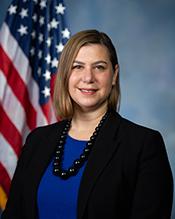
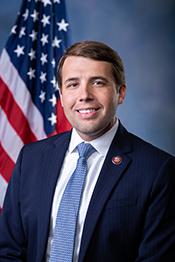
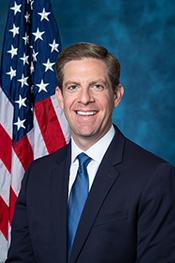

Latest Bills
TRAPS Act
Bill HR 4936September 18, 2026
Apples to Apples Comparison Act of 2025
Bill HR 4093September 18, 2026
American Lending Fairness Act of 2026
Bill HR 7866September 18, 2026
Civil Investigative Demand Reform Act of 2025
Bill HR 1653September 18, 2026
American Reserve Modernization Act of 2026
Bill HR 8957September 18, 2026
Preventive Health Savings Act
Bill HR 4464September 18, 2026
PEARL Act
Bill HR 9327September 18, 2026
Medically Tailored Home-Delivered Meals Program Pilot Act
Bill HR 5439September 18, 2026
To designate the facility of the United States Postal Service located at 117 West Lovett Street in Charlotte, Michigan, as the "Francis C. Flaherty Post Office Building".
Bill HR 9570September 18, 2026
To designate the facility of the United States Postal Service located at 1019 Avenue H in Fort Madison, Iowa, as the "Martin L. Graber Post Office".
Bill HR 4707September 18, 2026
Anti-Corruption and Public Integrity Act
Bill S 5315September 26, 2023
Ban Corporate PACs Act
Bill S 3528March 15, 2023
Anti-Corruption and Public Integrity Act
Bill HR 9623September 26, 2023