0
0
0
Lawsuit Abuse Reduction Act of 2017
4/7/2025, 3:42 PM
Summary of Bill HR 720
Bill 115 HR 720, also known as the Lawsuit Abuse Reduction Act of 2017, aims to address the issue of frivolous lawsuits in the United States. The bill was introduced in the House of Representatives on January 30, 2017 by Representative Lamar Smith of Texas.
The main provisions of the bill include requiring judges to impose sanctions on attorneys who file frivolous lawsuits. These sanctions could include monetary penalties or other disciplinary actions. The bill also seeks to streamline the process for dismissing frivolous lawsuits early on in the legal proceedings.
Supporters of the bill argue that it will help reduce the burden on the court system and prevent individuals and businesses from being unfairly targeted by meritless lawsuits. They believe that by holding attorneys accountable for filing frivolous lawsuits, the bill will deter such behavior in the future. Opponents of the bill, however, argue that it could have a chilling effect on legitimate lawsuits and limit access to justice for individuals who have been wronged. They also raise concerns about the potential for abuse of the sanctions provision by judges. Overall, the Lawsuit Abuse Reduction Act of 2017 is a controversial piece of legislation that seeks to address the issue of frivolous lawsuits in the United States. It has sparked debate among lawmakers, legal experts, and advocacy groups on both sides of the issue.
The main provisions of the bill include requiring judges to impose sanctions on attorneys who file frivolous lawsuits. These sanctions could include monetary penalties or other disciplinary actions. The bill also seeks to streamline the process for dismissing frivolous lawsuits early on in the legal proceedings.
Supporters of the bill argue that it will help reduce the burden on the court system and prevent individuals and businesses from being unfairly targeted by meritless lawsuits. They believe that by holding attorneys accountable for filing frivolous lawsuits, the bill will deter such behavior in the future. Opponents of the bill, however, argue that it could have a chilling effect on legitimate lawsuits and limit access to justice for individuals who have been wronged. They also raise concerns about the potential for abuse of the sanctions provision by judges. Overall, the Lawsuit Abuse Reduction Act of 2017 is a controversial piece of legislation that seeks to address the issue of frivolous lawsuits in the United States. It has sparked debate among lawmakers, legal experts, and advocacy groups on both sides of the issue.
Current Status of Bill HR 720
Bill HR 720 is currently in the status of Bill Introduced since January 30, 2017. Bill HR 720 was introduced during Congress 115 and was introduced to the House on January 30, 2017. Bill HR 720's most recent activity was Received in the Senate and Read twice and referred to the Committee on the Judiciary. as of March 13, 2017
Bipartisan Support of Bill HR 720
Total Number of Sponsors
1Democrat Sponsors
0Republican Sponsors
1Unaffiliated Sponsors
0Total Number of Cosponsors
0Democrat Cosponsors
0Republican Cosponsors
0Unaffiliated Cosponsors
0Policy Area and Potential Impact of Bill HR 720
Primary Policy Focus
LawComments
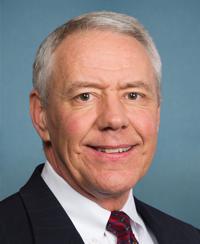
Sponsors and Cosponsors of HR 720


Latest Bills
TRAPS Act
Bill HR 4936September 18, 2026
Apples to Apples Comparison Act of 2025
Bill HR 4093September 18, 2026
American Lending Fairness Act of 2026
Bill HR 7866September 18, 2026
Civil Investigative Demand Reform Act of 2025
Bill HR 1653September 18, 2026
American Reserve Modernization Act of 2026
Bill HR 8957September 18, 2026
Preventive Health Savings Act
Bill HR 4464September 18, 2026
PEARL Act
Bill HR 9327September 18, 2026
Medically Tailored Home-Delivered Meals Program Pilot Act
Bill HR 5439September 18, 2026
To designate the facility of the United States Postal Service located at 117 West Lovett Street in Charlotte, Michigan, as the "Francis C. Flaherty Post Office Building".
Bill HR 9570September 18, 2026
To designate the facility of the United States Postal Service located at 1019 Avenue H in Fort Madison, Iowa, as the "Martin L. Graber Post Office".
Bill HR 4707September 18, 2026