0
0
0
ADA Education and Reform Act of 2017
4/7/2025, 3:21 PM
Summary of Bill HR 620
Bill 115 hr 620, also known as the ADA Education and Reform Act of 2017, is a piece of legislation that aims to amend the Americans with Disabilities Act (ADA) in order to address issues related to the enforcement of ADA requirements for public accommodations.
The bill proposes to require individuals with disabilities to provide written notice to business owners who are not in compliance with ADA requirements before filing a lawsuit. This notice would need to specify the barriers to access that the individual encountered and give the business owner an opportunity to make the necessary changes to come into compliance with the ADA within a specified time frame.
Supporters of the bill argue that it would help prevent "drive-by" lawsuits, where individuals or lawyers file lawsuits against businesses without giving them a chance to fix any ADA violations. They believe that this would encourage businesses to proactively address accessibility issues and comply with the ADA. Opponents of the bill, however, argue that it would place an unfair burden on individuals with disabilities, who may already face barriers to access in public accommodations. They argue that the ADA was intended to protect the rights of individuals with disabilities and that requiring written notice before filing a lawsuit could delay or prevent individuals from seeking justice for ADA violations. Overall, the ADA Education and Reform Act of 2017 has sparked debate among lawmakers, disability rights advocates, and business owners about the best way to ensure compliance with ADA requirements while also protecting the rights of individuals with disabilities.
The bill proposes to require individuals with disabilities to provide written notice to business owners who are not in compliance with ADA requirements before filing a lawsuit. This notice would need to specify the barriers to access that the individual encountered and give the business owner an opportunity to make the necessary changes to come into compliance with the ADA within a specified time frame.
Supporters of the bill argue that it would help prevent "drive-by" lawsuits, where individuals or lawyers file lawsuits against businesses without giving them a chance to fix any ADA violations. They believe that this would encourage businesses to proactively address accessibility issues and comply with the ADA. Opponents of the bill, however, argue that it would place an unfair burden on individuals with disabilities, who may already face barriers to access in public accommodations. They argue that the ADA was intended to protect the rights of individuals with disabilities and that requiring written notice before filing a lawsuit could delay or prevent individuals from seeking justice for ADA violations. Overall, the ADA Education and Reform Act of 2017 has sparked debate among lawmakers, disability rights advocates, and business owners about the best way to ensure compliance with ADA requirements while also protecting the rights of individuals with disabilities.
Current Status of Bill HR 620
Bill HR 620 is currently in the status of Bill Introduced since January 24, 2017. Bill HR 620 was introduced during Congress 115 and was introduced to the House on January 24, 2017. Bill HR 620's most recent activity was Received in the Senate. as of February 26, 2018
Bipartisan Support of Bill HR 620
Total Number of Sponsors
1Democrat Sponsors
0Republican Sponsors
1Unaffiliated Sponsors
0Total Number of Cosponsors
0Democrat Cosponsors
0Republican Cosponsors
0Unaffiliated Cosponsors
0Policy Area and Potential Impact of Bill HR 620
Primary Policy Focus
Civil Rights and Liberties, Minority IssuesComments
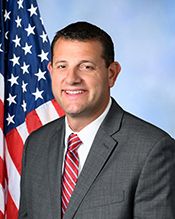
Sponsors and Cosponsors of HR 620





Latest Bills
TRAPS Act
Bill HR 4936September 18, 2026
Apples to Apples Comparison Act of 2025
Bill HR 4093September 18, 2026
American Lending Fairness Act of 2026
Bill HR 7866September 18, 2026
Civil Investigative Demand Reform Act of 2025
Bill HR 1653September 18, 2026
American Reserve Modernization Act of 2026
Bill HR 8957September 18, 2026
Preventive Health Savings Act
Bill HR 4464September 18, 2026
PEARL Act
Bill HR 9327September 18, 2026
Medically Tailored Home-Delivered Meals Program Pilot Act
Bill HR 5439September 18, 2026
To designate the facility of the United States Postal Service located at 117 West Lovett Street in Charlotte, Michigan, as the "Francis C. Flaherty Post Office Building".
Bill HR 9570September 18, 2026
To designate the facility of the United States Postal Service located at 1019 Avenue H in Fort Madison, Iowa, as the "Martin L. Graber Post Office".
Bill HR 4707September 18, 2026