0
1
1
Removing Barriers to Energy Independence Act
4/7/2025, 3:42 PM
Summary of Bill HR 6087
Bill 115 hr 6087, also known as the Removing Barriers to Energy Independence Act, aims to promote energy independence in the United States by removing regulatory barriers that hinder the development of domestic energy resources. The bill specifically targets regulations that restrict the production of oil, natural gas, and other forms of energy on federal lands and waters.
The bill seeks to streamline the permitting process for energy projects on federal lands, making it easier for companies to obtain the necessary approvals to begin production. It also aims to increase access to energy resources by opening up more federal lands and waters for energy development.
Proponents of the bill argue that it will help reduce America's dependence on foreign energy sources and create jobs in the domestic energy sector. They believe that by removing regulatory barriers, the bill will encourage investment in energy infrastructure and spur economic growth. Opponents of the bill, however, argue that it prioritizes the interests of the energy industry over environmental protection and public health. They are concerned that the bill will lead to increased pollution and harm to natural habitats. Overall, the Removing Barriers to Energy Independence Act is a controversial piece of legislation that highlights the ongoing debate between energy development and environmental conservation in the United States.
The bill seeks to streamline the permitting process for energy projects on federal lands, making it easier for companies to obtain the necessary approvals to begin production. It also aims to increase access to energy resources by opening up more federal lands and waters for energy development.
Proponents of the bill argue that it will help reduce America's dependence on foreign energy sources and create jobs in the domestic energy sector. They believe that by removing regulatory barriers, the bill will encourage investment in energy infrastructure and spur economic growth. Opponents of the bill, however, argue that it prioritizes the interests of the energy industry over environmental protection and public health. They are concerned that the bill will lead to increased pollution and harm to natural habitats. Overall, the Removing Barriers to Energy Independence Act is a controversial piece of legislation that highlights the ongoing debate between energy development and environmental conservation in the United States.
Current Status of Bill HR 6087
Bill HR 6087 is currently in the status of Bill Introduced since June 13, 2018. Bill HR 6087 was introduced during Congress 115 and was introduced to the House on June 13, 2018. Bill HR 6087's most recent activity was Placed on the Union Calendar, Calendar No. 786. as of November 2, 2018
Bipartisan Support of Bill HR 6087
Total Number of Sponsors
1Democrat Sponsors
0Republican Sponsors
1Unaffiliated Sponsors
0Total Number of Cosponsors
0Democrat Cosponsors
0Republican Cosponsors
0Unaffiliated Cosponsors
0Policy Area and Potential Impact of Bill HR 6087
Primary Policy Focus
EnergyComments
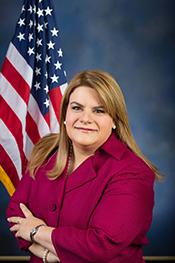
Sponsors and Cosponsors of HR 6087

Latest Bills
TRAPS Act
Bill HR 4936September 18, 2026
Apples to Apples Comparison Act of 2025
Bill HR 4093September 18, 2026
American Lending Fairness Act of 2026
Bill HR 7866September 18, 2026
Civil Investigative Demand Reform Act of 2025
Bill HR 1653September 18, 2026
American Reserve Modernization Act of 2026
Bill HR 8957September 18, 2026
Preventive Health Savings Act
Bill HR 4464September 18, 2026
PEARL Act
Bill HR 9327September 18, 2026
Medically Tailored Home-Delivered Meals Program Pilot Act
Bill HR 5439September 18, 2026
To designate the facility of the United States Postal Service located at 117 West Lovett Street in Charlotte, Michigan, as the "Francis C. Flaherty Post Office Building".
Bill HR 9570September 18, 2026
To designate the facility of the United States Postal Service located at 1019 Avenue H in Fort Madison, Iowa, as the "Martin L. Graber Post Office".
Bill HR 4707September 18, 2026