1
0
0
Stress Test Improvement Act of 2017
4/7/2025, 3:42 PM
Summary of Bill HR 4293
Bill 115 hr 4293, also known as the Stress Test Improvement Act of 2017, aims to make improvements to the stress testing requirements for financial institutions. The bill was introduced in the House of Representatives on November 7, 2017.
The main purpose of the bill is to provide relief to smaller financial institutions by exempting them from certain stress testing requirements. These smaller institutions, with total consolidated assets of less than $250 billion, would no longer be required to conduct stress tests under the Dodd-Frank Wall Street Reform and Consumer Protection Act.
Additionally, the bill seeks to improve the transparency and efficiency of stress testing by requiring the Federal Reserve to publish the models and methodologies used in the stress tests. This would allow for greater understanding and scrutiny of the stress testing process. Overall, the Stress Test Improvement Act of 2017 aims to strike a balance between ensuring the safety and soundness of the financial system while also reducing regulatory burden on smaller financial institutions. The bill has received bipartisan support in Congress and is currently under consideration in the House Financial Services Committee.
The main purpose of the bill is to provide relief to smaller financial institutions by exempting them from certain stress testing requirements. These smaller institutions, with total consolidated assets of less than $250 billion, would no longer be required to conduct stress tests under the Dodd-Frank Wall Street Reform and Consumer Protection Act.
Additionally, the bill seeks to improve the transparency and efficiency of stress testing by requiring the Federal Reserve to publish the models and methodologies used in the stress tests. This would allow for greater understanding and scrutiny of the stress testing process. Overall, the Stress Test Improvement Act of 2017 aims to strike a balance between ensuring the safety and soundness of the financial system while also reducing regulatory burden on smaller financial institutions. The bill has received bipartisan support in Congress and is currently under consideration in the House Financial Services Committee.
Current Status of Bill HR 4293
Bill HR 4293 is currently in the status of Bill Introduced since November 7, 2017. Bill HR 4293 was introduced during Congress 115 and was introduced to the House on November 7, 2017. Bill HR 4293's most recent activity was Received in the Senate and Read twice and referred to the Committee on Banking, Housing, and Urban Affairs. as of April 12, 2018
Bipartisan Support of Bill HR 4293
Total Number of Sponsors
1Democrat Sponsors
0Republican Sponsors
1Unaffiliated Sponsors
0Total Number of Cosponsors
0Democrat Cosponsors
0Republican Cosponsors
0Unaffiliated Cosponsors
0Policy Area and Potential Impact of Bill HR 4293
Primary Policy Focus
Finance and Financial SectorComments
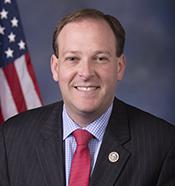
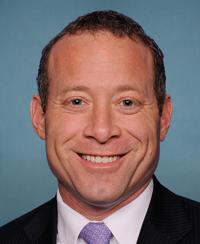
Sponsors and Cosponsors of HR 4293

Latest Bills
TRAPS Act
Bill HR 4936September 18, 2026
Apples to Apples Comparison Act of 2025
Bill HR 4093September 18, 2026
American Lending Fairness Act of 2026
Bill HR 7866September 18, 2026
Civil Investigative Demand Reform Act of 2025
Bill HR 1653September 18, 2026
American Reserve Modernization Act of 2026
Bill HR 8957September 18, 2026
Preventive Health Savings Act
Bill HR 4464September 18, 2026
PEARL Act
Bill HR 9327September 18, 2026
Medically Tailored Home-Delivered Meals Program Pilot Act
Bill HR 5439September 18, 2026
To designate the facility of the United States Postal Service located at 117 West Lovett Street in Charlotte, Michigan, as the "Francis C. Flaherty Post Office Building".
Bill HR 9570September 18, 2026
To designate the facility of the United States Postal Service located at 1019 Avenue H in Fort Madison, Iowa, as the "Martin L. Graber Post Office".
Bill HR 4707September 18, 2026