0
1
1
SENSE Act
4/7/2025, 3:42 PM
Summary of Bill HR 1119
The SENSE Act, also known as Bill 115 hr 1119, is a piece of legislation currently being considered by the US Congress. The main goal of the SENSE Act is to provide regulatory relief for coal-fired power plants in order to help them remain operational and competitive in the energy market.
The bill specifically targets regulations put in place by the Environmental Protection Agency (EPA) that have been deemed burdensome and costly for coal-fired power plants. These regulations include the Mercury and Air Toxics Standards (MATS) and the Cross-State Air Pollution Rule (CSAPR), which the bill aims to either repeal or modify in order to reduce compliance costs for coal plants.
Proponents of the SENSE Act argue that these regulations have unfairly targeted coal-fired power plants and have contributed to the decline of the coal industry in the United States. They believe that by providing regulatory relief, coal plants will be able to continue operating and providing affordable energy to consumers. Opponents of the bill, however, argue that rolling back these regulations could have negative impacts on public health and the environment. They believe that the regulations put in place by the EPA are necessary to protect air quality and reduce harmful emissions from coal-fired power plants. Overall, the SENSE Act is a controversial piece of legislation that highlights the ongoing debate surrounding the regulation of coal-fired power plants in the United States. It remains to be seen whether the bill will be passed by Congress and signed into law.
The bill specifically targets regulations put in place by the Environmental Protection Agency (EPA) that have been deemed burdensome and costly for coal-fired power plants. These regulations include the Mercury and Air Toxics Standards (MATS) and the Cross-State Air Pollution Rule (CSAPR), which the bill aims to either repeal or modify in order to reduce compliance costs for coal plants.
Proponents of the SENSE Act argue that these regulations have unfairly targeted coal-fired power plants and have contributed to the decline of the coal industry in the United States. They believe that by providing regulatory relief, coal plants will be able to continue operating and providing affordable energy to consumers. Opponents of the bill, however, argue that rolling back these regulations could have negative impacts on public health and the environment. They believe that the regulations put in place by the EPA are necessary to protect air quality and reduce harmful emissions from coal-fired power plants. Overall, the SENSE Act is a controversial piece of legislation that highlights the ongoing debate surrounding the regulation of coal-fired power plants in the United States. It remains to be seen whether the bill will be passed by Congress and signed into law.
Current Status of Bill HR 1119
Bill HR 1119 is currently in the status of Bill Introduced since February 16, 2017. Bill HR 1119 was introduced during Congress 115 and was introduced to the House on February 16, 2017. Bill HR 1119's most recent activity was Received in the Senate and Read twice and referred to the Committee on Environment and Public Works. as of March 8, 2018
Bipartisan Support of Bill HR 1119
Total Number of Sponsors
1Democrat Sponsors
0Republican Sponsors
1Unaffiliated Sponsors
0Total Number of Cosponsors
0Democrat Cosponsors
0Republican Cosponsors
0Unaffiliated Cosponsors
0Policy Area and Potential Impact of Bill HR 1119
Primary Policy Focus
Environmental ProtectionComments
Sponsors and Cosponsors of HR 1119

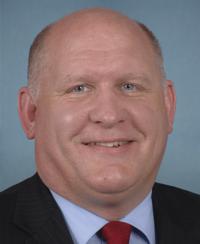
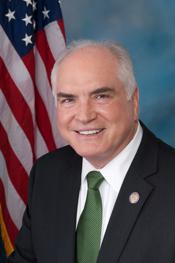
Latest Bills
TRAPS Act
Bill HR 4936September 18, 2026
Apples to Apples Comparison Act of 2025
Bill HR 4093September 18, 2026
American Lending Fairness Act of 2026
Bill HR 7866September 18, 2026
Civil Investigative Demand Reform Act of 2025
Bill HR 1653September 18, 2026
American Reserve Modernization Act of 2026
Bill HR 8957September 18, 2026
Preventive Health Savings Act
Bill HR 4464September 18, 2026
PEARL Act
Bill HR 9327September 18, 2026
Medically Tailored Home-Delivered Meals Program Pilot Act
Bill HR 5439September 18, 2026
To designate the facility of the United States Postal Service located at 117 West Lovett Street in Charlotte, Michigan, as the "Francis C. Flaherty Post Office Building".
Bill HR 9570September 18, 2026
To designate the facility of the United States Postal Service located at 1019 Avenue H in Fort Madison, Iowa, as the "Martin L. Graber Post Office".
Bill HR 4707September 18, 2026