0
0
0
TAILOR Act of 2017
4/7/2025, 3:21 PM
Summary of Bill HR 1116
The TAILOR Act of 2017, also known as Bill 115 hr 1116, is a piece of legislation introduced in the US Congress. The purpose of this bill is to provide regulatory relief to community banks and credit unions by requiring federal financial regulatory agencies to tailor regulations to fit the size, risk profile, and business model of these institutions.
The TAILOR Act aims to address concerns that current regulations imposed on financial institutions are too burdensome and do not take into account the differences between large banks and smaller community banks and credit unions. By requiring regulators to tailor regulations to the specific needs of smaller institutions, the bill seeks to promote economic growth and increase access to credit for consumers and small businesses.
Specifically, the TAILOR Act requires federal financial regulatory agencies to conduct a review of their regulations every seven years to ensure that they are appropriately tailored to the size, risk profile, and business model of community banks and credit unions. If a regulation is found to be overly burdensome or not appropriately tailored, the agency must take steps to modify or eliminate the regulation. Overall, the TAILOR Act of 2017 is aimed at reducing regulatory burden on community banks and credit unions in order to promote economic growth and increase access to credit for consumers and small businesses. It is a bipartisan effort to address concerns about the impact of regulations on smaller financial institutions and to ensure that regulations are tailored to fit the needs of these institutions.
The TAILOR Act aims to address concerns that current regulations imposed on financial institutions are too burdensome and do not take into account the differences between large banks and smaller community banks and credit unions. By requiring regulators to tailor regulations to the specific needs of smaller institutions, the bill seeks to promote economic growth and increase access to credit for consumers and small businesses.
Specifically, the TAILOR Act requires federal financial regulatory agencies to conduct a review of their regulations every seven years to ensure that they are appropriately tailored to the size, risk profile, and business model of community banks and credit unions. If a regulation is found to be overly burdensome or not appropriately tailored, the agency must take steps to modify or eliminate the regulation. Overall, the TAILOR Act of 2017 is aimed at reducing regulatory burden on community banks and credit unions in order to promote economic growth and increase access to credit for consumers and small businesses. It is a bipartisan effort to address concerns about the impact of regulations on smaller financial institutions and to ensure that regulations are tailored to fit the needs of these institutions.
Current Status of Bill HR 1116
Bill HR 1116 is currently in the status of Bill Introduced since February 16, 2017. Bill HR 1116 was introduced during Congress 115 and was introduced to the House on February 16, 2017. Bill HR 1116's most recent activity was Received in the Senate and Read twice and referred to the Committee on Banking, Housing, and Urban Affairs. as of March 15, 2018
Bipartisan Support of Bill HR 1116
Total Number of Sponsors
1Democrat Sponsors
0Republican Sponsors
1Unaffiliated Sponsors
0Total Number of Cosponsors
0Democrat Cosponsors
0Republican Cosponsors
0Unaffiliated Cosponsors
0Policy Area and Potential Impact of Bill HR 1116
Primary Policy Focus
Finance and Financial SectorComments
Sponsors and Cosponsors of HR 1116
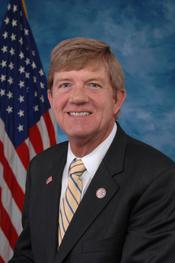
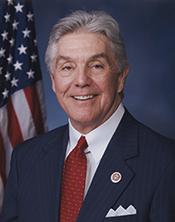


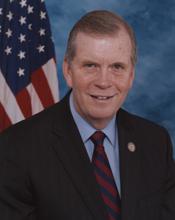
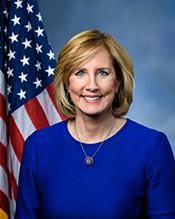
Latest Bills
TRAPS Act
Bill HR 4936September 18, 2026
Apples to Apples Comparison Act of 2025
Bill HR 4093September 18, 2026
American Lending Fairness Act of 2026
Bill HR 7866September 18, 2026
Civil Investigative Demand Reform Act of 2025
Bill HR 1653September 18, 2026
American Reserve Modernization Act of 2026
Bill HR 8957September 18, 2026
Preventive Health Savings Act
Bill HR 4464September 18, 2026
PEARL Act
Bill HR 9327September 18, 2026
Medically Tailored Home-Delivered Meals Program Pilot Act
Bill HR 5439September 18, 2026
To designate the facility of the United States Postal Service located at 117 West Lovett Street in Charlotte, Michigan, as the "Francis C. Flaherty Post Office Building".
Bill HR 9570September 18, 2026
To designate the facility of the United States Postal Service located at 1019 Avenue H in Fort Madison, Iowa, as the "Martin L. Graber Post Office".
Bill HR 4707September 18, 2026