0
0
0
To amend the Employee Retirement Income Security Act of 1974 to ensure that retirement investors receive advice in their best interests, and for other purposes.
4/7/2025, 3:41 PM
Summary of Bill HR 4293
Bill 114 hr 4293, also known as the "Fiduciary Duty Clarification Act," aims to amend the Employee Retirement Income Security Act of 1974 (ERISA) to ensure that retirement investors receive advice that is in their best interests. The bill seeks to clarify and strengthen the fiduciary duty that financial advisors owe to their clients when providing retirement investment advice.
Under the current law, financial advisors are required to act in the best interests of their clients when providing retirement investment advice. However, there has been some confusion and ambiguity surrounding this requirement, leading to potential conflicts of interest and harm to investors.
The Fiduciary Duty Clarification Act seeks to address these issues by explicitly stating that financial advisors must act solely in the best interests of their clients when providing retirement investment advice. This means that advisors must prioritize the interests of their clients above their own financial gain or other considerations. Additionally, the bill includes provisions to enhance transparency and accountability in the financial advisory industry. It requires advisors to disclose any potential conflicts of interest and to provide clear and understandable information about the fees and costs associated with their services. Overall, the goal of Bill 114 hr 4293 is to protect retirement investors and ensure that they receive advice that is in their best interests. By clarifying and strengthening the fiduciary duty of financial advisors, the bill aims to promote trust and confidence in the retirement investment industry.
Under the current law, financial advisors are required to act in the best interests of their clients when providing retirement investment advice. However, there has been some confusion and ambiguity surrounding this requirement, leading to potential conflicts of interest and harm to investors.
The Fiduciary Duty Clarification Act seeks to address these issues by explicitly stating that financial advisors must act solely in the best interests of their clients when providing retirement investment advice. This means that advisors must prioritize the interests of their clients above their own financial gain or other considerations. Additionally, the bill includes provisions to enhance transparency and accountability in the financial advisory industry. It requires advisors to disclose any potential conflicts of interest and to provide clear and understandable information about the fees and costs associated with their services. Overall, the goal of Bill 114 hr 4293 is to protect retirement investors and ensure that they receive advice that is in their best interests. By clarifying and strengthening the fiduciary duty of financial advisors, the bill aims to promote trust and confidence in the retirement investment industry.
Current Status of Bill HR 4293
Bill HR 4293 is currently in the status of Bill Introduced since December 18, 2015. Bill HR 4293 was introduced during Congress 114 and was introduced to the House on December 18, 2015. Bill HR 4293's most recent activity was Placed on the Union Calendar, Calendar No. 391. as of April 20, 2016
Bipartisan Support of Bill HR 4293
Total Number of Sponsors
1Democrat Sponsors
0Republican Sponsors
1Unaffiliated Sponsors
0Total Number of Cosponsors
0Democrat Cosponsors
0Republican Cosponsors
0Unaffiliated Cosponsors
0Policy Area and Potential Impact of Bill HR 4293
Primary Policy Focus
Labor and EmploymentComments
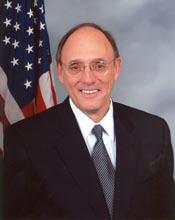
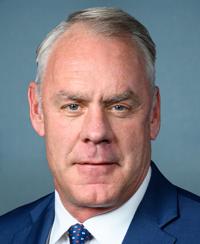
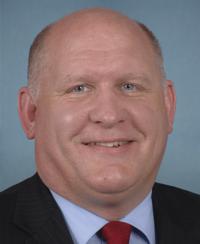
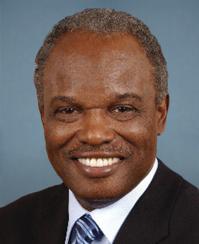
Sponsors and Cosponsors of HR 4293


Latest Bills
TRAPS Act
Bill HR 4936September 18, 2026
Apples to Apples Comparison Act of 2025
Bill HR 4093September 18, 2026
American Lending Fairness Act of 2026
Bill HR 7866September 18, 2026
Civil Investigative Demand Reform Act of 2025
Bill HR 1653September 18, 2026
American Reserve Modernization Act of 2026
Bill HR 8957September 18, 2026
Preventive Health Savings Act
Bill HR 4464September 18, 2026
PEARL Act
Bill HR 9327September 18, 2026
Medically Tailored Home-Delivered Meals Program Pilot Act
Bill HR 5439September 18, 2026
To designate the facility of the United States Postal Service located at 117 West Lovett Street in Charlotte, Michigan, as the "Francis C. Flaherty Post Office Building".
Bill HR 9570September 18, 2026
To designate the facility of the United States Postal Service located at 1019 Avenue H in Fort Madison, Iowa, as the "Martin L. Graber Post Office".
Bill HR 4707September 18, 2026