0
0
0
To provide that an Indian group may receive Federal acknowledgment as an Indian tribe only by an Act of Congress, and for other purposes.
4/7/2025, 3:41 PM
Summary of Bill HR 3764
Bill 114 hr 3764, also known as the "Indian Tribe Federal Recognition Act," aims to establish a new process for federally recognizing Indian tribes. Under this bill, an Indian group seeking federal acknowledgment as a tribe would only be able to receive such recognition through an Act of Congress. This means that the traditional process of recognition through the Bureau of Indian Affairs would no longer be an option.
The bill also includes provisions for the criteria that must be met in order for an Indian group to be considered for federal recognition. These criteria are not specified in the summary, but it is likely that they would include factors such as historical continuity, community identification, and government authority.
In addition to the recognition process, the bill may also address other purposes related to Indian tribes, although these are not specified in the summary. It is possible that these purposes could include provisions for tribal sovereignty, land rights, or access to federal resources. Overall, Bill 114 hr 3764 represents a significant change in the process for federally recognizing Indian tribes, shifting the responsibility from the Bureau of Indian Affairs to Congress. This could have far-reaching implications for Indian groups seeking recognition and for the relationship between tribes and the federal government.
The bill also includes provisions for the criteria that must be met in order for an Indian group to be considered for federal recognition. These criteria are not specified in the summary, but it is likely that they would include factors such as historical continuity, community identification, and government authority.
In addition to the recognition process, the bill may also address other purposes related to Indian tribes, although these are not specified in the summary. It is possible that these purposes could include provisions for tribal sovereignty, land rights, or access to federal resources. Overall, Bill 114 hr 3764 represents a significant change in the process for federally recognizing Indian tribes, shifting the responsibility from the Bureau of Indian Affairs to Congress. This could have far-reaching implications for Indian groups seeking recognition and for the relationship between tribes and the federal government.
Current Status of Bill HR 3764
Bill HR 3764 is currently in the status of Bill Introduced since October 20, 2015. Bill HR 3764 was introduced during Congress 114 and was introduced to the House on October 20, 2015. Bill HR 3764's most recent activity was Placed on the Union Calendar, Calendar No. 663. as of December 7, 2016
Bipartisan Support of Bill HR 3764
Total Number of Sponsors
1Democrat Sponsors
0Republican Sponsors
1Unaffiliated Sponsors
0Total Number of Cosponsors
0Democrat Cosponsors
0Republican Cosponsors
0Unaffiliated Cosponsors
0Policy Area and Potential Impact of Bill HR 3764
Primary Policy Focus
Native AmericansComments
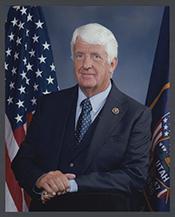
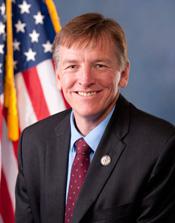
Sponsors and Cosponsors of HR 3764
Latest Bills
TRAPS Act
Bill HR 4936September 18, 2026
Apples to Apples Comparison Act of 2025
Bill HR 4093September 18, 2026
American Lending Fairness Act of 2026
Bill HR 7866September 18, 2026
Civil Investigative Demand Reform Act of 2025
Bill HR 1653September 18, 2026
American Reserve Modernization Act of 2026
Bill HR 8957September 18, 2026
Preventive Health Savings Act
Bill HR 4464September 18, 2026
PEARL Act
Bill HR 9327September 18, 2026
Medically Tailored Home-Delivered Meals Program Pilot Act
Bill HR 5439September 18, 2026
To designate the facility of the United States Postal Service located at 117 West Lovett Street in Charlotte, Michigan, as the "Francis C. Flaherty Post Office Building".
Bill HR 9570September 18, 2026
To designate the facility of the United States Postal Service located at 1019 Avenue H in Fort Madison, Iowa, as the "Martin L. Graber Post Office".
Bill HR 4707September 18, 2026