0
0
0
O-VISA Act
4/7/2025, 3:20 PM
Summary of Bill HR 3636
The O-VISA Act, also known as Bill 114 hr 3636, is a piece of legislation currently being considered by the US Congress. The purpose of this bill is to reform the O-1 visa program, which is a non-immigrant visa category for individuals who possess extraordinary ability in the sciences, arts, education, business, or athletics.
The O-VISA Act aims to streamline the application process for O-1 visas, making it easier for qualified individuals to obtain these visas. The bill proposes several key changes to the current O-1 visa program, including:
1. Expanding the definition of "extraordinary ability" to include individuals who have achieved significant recognition or accolades in their field, even if they do not meet the current criteria for extraordinary ability. 2. Creating a new visa category, the O-2 visa, for individuals who provide essential support to O-1 visa holders, such as assistants, translators, or other personnel. 3. Implementing a merit-based system for allocating O-1 visas, prioritizing individuals who have demonstrated exceptional talent or achievement in their field. 4. Increasing the number of O-1 visas available each year to meet the growing demand for highly skilled workers in the United States. Overall, the O-VISA Act seeks to modernize and improve the O-1 visa program, making it more accessible to qualified individuals and ensuring that the United States remains a destination for top talent from around the world.
The O-VISA Act aims to streamline the application process for O-1 visas, making it easier for qualified individuals to obtain these visas. The bill proposes several key changes to the current O-1 visa program, including:
1. Expanding the definition of "extraordinary ability" to include individuals who have achieved significant recognition or accolades in their field, even if they do not meet the current criteria for extraordinary ability. 2. Creating a new visa category, the O-2 visa, for individuals who provide essential support to O-1 visa holders, such as assistants, translators, or other personnel. 3. Implementing a merit-based system for allocating O-1 visas, prioritizing individuals who have demonstrated exceptional talent or achievement in their field. 4. Increasing the number of O-1 visas available each year to meet the growing demand for highly skilled workers in the United States. Overall, the O-VISA Act seeks to modernize and improve the O-1 visa program, making it more accessible to qualified individuals and ensuring that the United States remains a destination for top talent from around the world.
Current Status of Bill HR 3636
Bill HR 3636 is currently in the status of Bill Introduced since September 29, 2015. Bill HR 3636 was introduced during Congress 114 and was introduced to the House on September 29, 2015. Bill HR 3636's most recent activity was Received in the Senate and Read twice and referred to the Committee on the Judiciary. as of June 14, 2016
Bipartisan Support of Bill HR 3636
Total Number of Sponsors
1Democrat Sponsors
0Republican Sponsors
1Unaffiliated Sponsors
0Total Number of Cosponsors
0Democrat Cosponsors
0Republican Cosponsors
0Unaffiliated Cosponsors
0Policy Area and Potential Impact of Bill HR 3636
Primary Policy Focus
ImmigrationComments
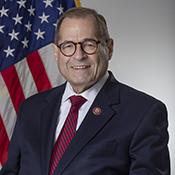
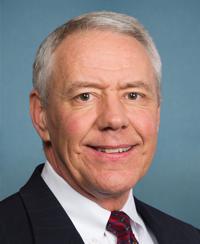
Sponsors and Cosponsors of HR 3636

Latest Bills
TRAPS Act
Bill HR 4936September 18, 2026
Apples to Apples Comparison Act of 2025
Bill HR 4093September 18, 2026
American Lending Fairness Act of 2026
Bill HR 7866September 18, 2026
Civil Investigative Demand Reform Act of 2025
Bill HR 1653September 18, 2026
American Reserve Modernization Act of 2026
Bill HR 8957September 18, 2026
Preventive Health Savings Act
Bill HR 4464September 18, 2026
PEARL Act
Bill HR 9327September 18, 2026
Medically Tailored Home-Delivered Meals Program Pilot Act
Bill HR 5439September 18, 2026
To designate the facility of the United States Postal Service located at 117 West Lovett Street in Charlotte, Michigan, as the "Francis C. Flaherty Post Office Building".
Bill HR 9570September 18, 2026
To designate the facility of the United States Postal Service located at 1019 Avenue H in Fort Madison, Iowa, as the "Martin L. Graber Post Office".
Bill HR 4707September 18, 2026