0
0
0
Government Neutrality in Contracting Act
4/7/2025, 3:21 PM
Summary of Bill HR 1671
Bill 114 hr 1671, also known as the Government Neutrality in Contracting Act, is a piece of legislation currently being considered by the US Congress. The main purpose of this bill is to prohibit the federal government from discriminating against contractors based on their labor relations policies.
Specifically, the bill states that the government cannot deny a contract to a company simply because they have a unionized workforce or because they do not have a unionized workforce. This is meant to ensure that the government remains neutral in its contracting practices and does not favor or disfavor companies based on their labor practices.
Supporters of the bill argue that it promotes fairness and equal opportunity in government contracting, as companies should be judged based on their ability to perform the work required, rather than their labor relations policies. However, opponents of the bill argue that it could undermine the rights of workers to organize and bargain collectively. Overall, the Government Neutrality in Contracting Act is a controversial piece of legislation that seeks to address the issue of discrimination in government contracting based on labor relations policies. It will be interesting to see how the bill progresses through Congress and what impact it may have on government contracting practices in the future.
Specifically, the bill states that the government cannot deny a contract to a company simply because they have a unionized workforce or because they do not have a unionized workforce. This is meant to ensure that the government remains neutral in its contracting practices and does not favor or disfavor companies based on their labor practices.
Supporters of the bill argue that it promotes fairness and equal opportunity in government contracting, as companies should be judged based on their ability to perform the work required, rather than their labor relations policies. However, opponents of the bill argue that it could undermine the rights of workers to organize and bargain collectively. Overall, the Government Neutrality in Contracting Act is a controversial piece of legislation that seeks to address the issue of discrimination in government contracting based on labor relations policies. It will be interesting to see how the bill progresses through Congress and what impact it may have on government contracting practices in the future.
Current Status of Bill HR 1671
Bill HR 1671 is currently in the status of Bill Introduced since March 26, 2015. Bill HR 1671 was introduced during Congress 114 and was introduced to the House on March 26, 2015. Bill HR 1671's most recent activity was Placed on the Union Calendar, Calendar No. 357. as of March 23, 2016
Bipartisan Support of Bill HR 1671
Total Number of Sponsors
1Democrat Sponsors
0Republican Sponsors
1Unaffiliated Sponsors
0Total Number of Cosponsors
0Democrat Cosponsors
0Republican Cosponsors
0Unaffiliated Cosponsors
0Policy Area and Potential Impact of Bill HR 1671
Primary Policy Focus
Government Operations and PoliticsComments
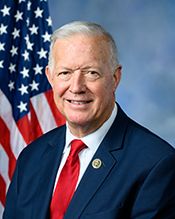
Sponsors and Cosponsors of HR 1671





Latest Bills
TRAPS Act
Bill HR 4936September 18, 2026
Apples to Apples Comparison Act of 2025
Bill HR 4093September 18, 2026
American Lending Fairness Act of 2026
Bill HR 7866September 18, 2026
Civil Investigative Demand Reform Act of 2025
Bill HR 1653September 18, 2026
American Reserve Modernization Act of 2026
Bill HR 8957September 18, 2026
Preventive Health Savings Act
Bill HR 4464September 18, 2026
PEARL Act
Bill HR 9327September 18, 2026
Medically Tailored Home-Delivered Meals Program Pilot Act
Bill HR 5439September 18, 2026
To designate the facility of the United States Postal Service located at 117 West Lovett Street in Charlotte, Michigan, as the "Francis C. Flaherty Post Office Building".
Bill HR 9570September 18, 2026
To designate the facility of the United States Postal Service located at 1019 Avenue H in Fort Madison, Iowa, as the "Martin L. Graber Post Office".
Bill HR 4707September 18, 2026