0
0
0
Integrated Public Alert and Warning System Modernization Act of 2015
4/7/2025, 3:40 PM
Summary of Bill HR 1472
Bill 114 hr 1472, also known as the Integrated Public Alert and Warning System Modernization Act of 2015, aims to improve the effectiveness and efficiency of the Integrated Public Alert and Warning System (IPAWS). This system is responsible for alerting the public in the event of emergencies, such as natural disasters or terrorist attacks.
The bill requires the Federal Emergency Management Agency (FEMA) to modernize and integrate the various alert and warning systems currently in place, including the Emergency Alert System (EAS) and the Wireless Emergency Alerts (WEA) system. This integration will ensure that alerts are delivered quickly and effectively to the public through multiple communication channels, such as radio, television, and cell phones.
Additionally, the bill requires FEMA to establish standards and protocols for the delivery of alerts, as well as guidelines for testing and exercising the system. It also requires FEMA to consult with state, local, tribal, and territorial governments, as well as private sector stakeholders, to ensure that the system meets the needs of all communities. Overall, the Integrated Public Alert and Warning System Modernization Act of 2015 seeks to enhance the nation's ability to alert and warn the public during emergencies, ultimately saving lives and protecting communities.
The bill requires the Federal Emergency Management Agency (FEMA) to modernize and integrate the various alert and warning systems currently in place, including the Emergency Alert System (EAS) and the Wireless Emergency Alerts (WEA) system. This integration will ensure that alerts are delivered quickly and effectively to the public through multiple communication channels, such as radio, television, and cell phones.
Additionally, the bill requires FEMA to establish standards and protocols for the delivery of alerts, as well as guidelines for testing and exercising the system. It also requires FEMA to consult with state, local, tribal, and territorial governments, as well as private sector stakeholders, to ensure that the system meets the needs of all communities. Overall, the Integrated Public Alert and Warning System Modernization Act of 2015 seeks to enhance the nation's ability to alert and warn the public during emergencies, ultimately saving lives and protecting communities.
Current Status of Bill HR 1472
Bill HR 1472 is currently in the status of Bill Introduced since March 19, 2015. Bill HR 1472 was introduced during Congress 114 and was introduced to the House on March 19, 2015. Bill HR 1472's most recent activity was Placed on the Union Calendar, Calendar No. 711. as of December 30, 2016
Bipartisan Support of Bill HR 1472
Total Number of Sponsors
1Democrat Sponsors
0Republican Sponsors
1Unaffiliated Sponsors
0Total Number of Cosponsors
0Democrat Cosponsors
0Republican Cosponsors
0Unaffiliated Cosponsors
0Policy Area and Potential Impact of Bill HR 1472
Primary Policy Focus
Emergency ManagementComments
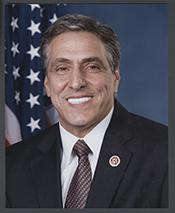
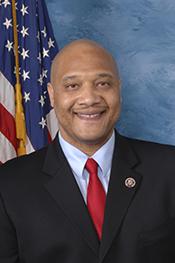
Sponsors and Cosponsors of HR 1472
Latest Bills
TRAPS Act
Bill HR 4936September 18, 2026
Apples to Apples Comparison Act of 2025
Bill HR 4093September 18, 2026
American Lending Fairness Act of 2026
Bill HR 7866September 18, 2026
Civil Investigative Demand Reform Act of 2025
Bill HR 1653September 18, 2026
American Reserve Modernization Act of 2026
Bill HR 8957September 18, 2026
Preventive Health Savings Act
Bill HR 4464September 18, 2026
PEARL Act
Bill HR 9327September 18, 2026
Medically Tailored Home-Delivered Meals Program Pilot Act
Bill HR 5439September 18, 2026
To designate the facility of the United States Postal Service located at 117 West Lovett Street in Charlotte, Michigan, as the "Francis C. Flaherty Post Office Building".
Bill HR 9570September 18, 2026
To designate the facility of the United States Postal Service located at 1019 Avenue H in Fort Madison, Iowa, as the "Martin L. Graber Post Office".
Bill HR 4707September 18, 2026