0
0
0
Offshore Energy and Jobs Act
4/7/2025, 3:13 PM
Summary of Bill HR 2231
The Offshore Energy and Jobs Act, also known as Bill 113 hr 2231, is a piece of legislation introduced in the US Congress. The main goal of this bill is to expand offshore energy production in the United States in order to create more jobs and boost the economy.
The bill proposes to open up more areas of the Outer Continental Shelf for oil and gas exploration and drilling. This would allow companies to access untapped energy resources off the coast of the United States, potentially leading to increased domestic energy production.
Supporters of the bill argue that expanding offshore energy production would create thousands of new jobs in the energy sector and reduce America's dependence on foreign oil. They also believe that it would generate revenue for the government through lease sales and royalties. Opponents of the bill, however, raise concerns about the potential environmental impact of increased offshore drilling. They argue that drilling in sensitive marine ecosystems could harm wildlife and lead to oil spills that could devastate coastal communities. Overall, the Offshore Energy and Jobs Act is a controversial piece of legislation that seeks to balance the economic benefits of expanding offshore energy production with the potential environmental risks. It is currently being debated in Congress, with supporters and opponents both making their voices heard on the issue.
The bill proposes to open up more areas of the Outer Continental Shelf for oil and gas exploration and drilling. This would allow companies to access untapped energy resources off the coast of the United States, potentially leading to increased domestic energy production.
Supporters of the bill argue that expanding offshore energy production would create thousands of new jobs in the energy sector and reduce America's dependence on foreign oil. They also believe that it would generate revenue for the government through lease sales and royalties. Opponents of the bill, however, raise concerns about the potential environmental impact of increased offshore drilling. They argue that drilling in sensitive marine ecosystems could harm wildlife and lead to oil spills that could devastate coastal communities. Overall, the Offshore Energy and Jobs Act is a controversial piece of legislation that seeks to balance the economic benefits of expanding offshore energy production with the potential environmental risks. It is currently being debated in Congress, with supporters and opponents both making their voices heard on the issue.
Current Status of Bill HR 2231
Bill HR 2231 is currently in the status of Bill Introduced since June 4, 2013. Bill HR 2231 was introduced during Congress 113 and was introduced to the House on June 4, 2013. Bill HR 2231's most recent activity was Received in the Senate and Read twice and referred to the Committee on Energy and Natural Resources. as of July 8, 2013
Bipartisan Support of Bill HR 2231
Total Number of Sponsors
1Democrat Sponsors
0Republican Sponsors
1Unaffiliated Sponsors
0Total Number of Cosponsors
0Democrat Cosponsors
0Republican Cosponsors
0Unaffiliated Cosponsors
0Policy Area and Potential Impact of Bill HR 2231
Primary Policy Focus
EnergyComments
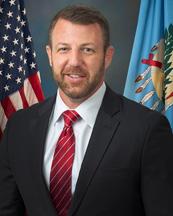
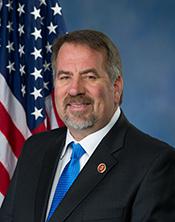
Sponsors and Cosponsors of HR 2231




Latest Bills
TRAPS Act
Bill HR 4936September 18, 2026
Apples to Apples Comparison Act of 2025
Bill HR 4093September 18, 2026
American Lending Fairness Act of 2026
Bill HR 7866September 18, 2026
Civil Investigative Demand Reform Act of 2025
Bill HR 1653September 18, 2026
American Reserve Modernization Act of 2026
Bill HR 8957September 18, 2026
Preventive Health Savings Act
Bill HR 4464September 18, 2026
PEARL Act
Bill HR 9327September 18, 2026
Medically Tailored Home-Delivered Meals Program Pilot Act
Bill HR 5439September 18, 2026
To designate the facility of the United States Postal Service located at 117 West Lovett Street in Charlotte, Michigan, as the "Francis C. Flaherty Post Office Building".
Bill HR 9570September 18, 2026
To designate the facility of the United States Postal Service located at 1019 Avenue H in Fort Madison, Iowa, as the "Martin L. Graber Post Office".
Bill HR 4707September 18, 2026
Lowering Gasoline Prices to Fuel an America That Works Act of 2014
Bill HR 4899March 14, 2024