0
0
0
Pain-Capable Unborn Child Protection Act
4/7/2025, 3:13 PM
Summary of Bill HR 1797
Bill 113 HR 1797, also known as the Pain-Capable Unborn Child Protection Act, is a piece of legislation introduced in the US Congress. The main purpose of this bill is to prohibit abortions after 20 weeks of pregnancy, with exceptions for cases where the life of the mother is at risk or in cases of rape or incest.
The bill is based on the premise that unborn babies are capable of feeling pain at 20 weeks gestation, and therefore should be protected from the pain and trauma of abortion procedures. Supporters of the bill argue that it is necessary to protect the rights and well-being of unborn children, while opponents argue that it restricts women's reproductive rights and access to healthcare.
If passed, the Pain-Capable Unborn Child Protection Act would have a significant impact on abortion laws in the United States, potentially limiting the availability of abortions after 20 weeks of pregnancy. The bill has been a topic of debate and controversy among lawmakers, advocacy groups, and the general public, with strong opinions on both sides of the issue.
The bill is based on the premise that unborn babies are capable of feeling pain at 20 weeks gestation, and therefore should be protected from the pain and trauma of abortion procedures. Supporters of the bill argue that it is necessary to protect the rights and well-being of unborn children, while opponents argue that it restricts women's reproductive rights and access to healthcare.
If passed, the Pain-Capable Unborn Child Protection Act would have a significant impact on abortion laws in the United States, potentially limiting the availability of abortions after 20 weeks of pregnancy. The bill has been a topic of debate and controversy among lawmakers, advocacy groups, and the general public, with strong opinions on both sides of the issue.
Current Status of Bill HR 1797
Bill HR 1797 is currently in the status of Bill Introduced since April 26, 2013. Bill HR 1797 was introduced during Congress 113 and was introduced to the House on April 26, 2013. Bill HR 1797's most recent activity was Received in the Senate and Read twice and referred to the Committee on the Judiciary. as of June 19, 2013
Bipartisan Support of Bill HR 1797
Total Number of Sponsors
1Democrat Sponsors
0Republican Sponsors
1Unaffiliated Sponsors
0Total Number of Cosponsors
0Democrat Cosponsors
0Republican Cosponsors
0Unaffiliated Cosponsors
0Policy Area and Potential Impact of Bill HR 1797
Primary Policy Focus
Crime and Law EnforcementComments
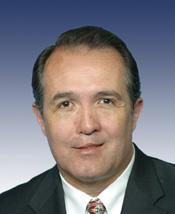
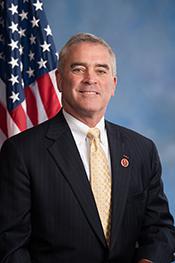
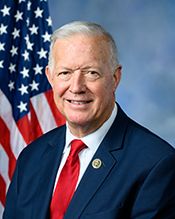
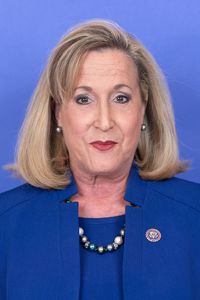
Sponsors and Cosponsors of HR 1797


Latest Bills
TRAPS Act
Bill HR 4936September 18, 2026
Apples to Apples Comparison Act of 2025
Bill HR 4093September 18, 2026
American Lending Fairness Act of 2026
Bill HR 7866September 18, 2026
Civil Investigative Demand Reform Act of 2025
Bill HR 1653September 18, 2026
American Reserve Modernization Act of 2026
Bill HR 8957September 18, 2026
Preventive Health Savings Act
Bill HR 4464September 18, 2026
PEARL Act
Bill HR 9327September 18, 2026
Medically Tailored Home-Delivered Meals Program Pilot Act
Bill HR 5439September 18, 2026
To designate the facility of the United States Postal Service located at 117 West Lovett Street in Charlotte, Michigan, as the "Francis C. Flaherty Post Office Building".
Bill HR 9570September 18, 2026
To designate the facility of the United States Postal Service located at 1019 Avenue H in Fort Madison, Iowa, as the "Martin L. Graber Post Office".
Bill HR 4707September 18, 2026