0
0
0
Harmful Algal Blooms and Hypoxia Research and Control Amendments Act of 2009
4/7/2025, 3:36 PM
Summary of Bill S 952
Bill 111 s 952, also known as the Harmful Algal Blooms and Hypoxia Research and Control Amendments Act of 2009, is a piece of legislation aimed at addressing the issue of harmful algal blooms and hypoxia in the United States.
The bill seeks to amend the Harmful Algal Bloom and Hypoxia Research and Control Act of 1998 in order to improve the federal government's response to these environmental challenges. It authorizes funding for research, monitoring, and management efforts related to harmful algal blooms and hypoxia, which are phenomena that can have serious impacts on aquatic ecosystems and human health.
Specifically, the bill directs federal agencies to coordinate their efforts in studying and responding to harmful algal blooms and hypoxia. It also establishes a task force to develop and implement a national strategy for addressing these issues. Additionally, the bill requires the development of a comprehensive research plan to improve understanding of the causes and impacts of harmful algal blooms and hypoxia. Overall, Bill 111 s 952 aims to enhance the federal government's ability to prevent, monitor, and mitigate the harmful effects of algal blooms and hypoxia in the United States. By providing funding and establishing a coordinated approach to research and management, the bill seeks to protect both the environment and public health from these growing threats.
The bill seeks to amend the Harmful Algal Bloom and Hypoxia Research and Control Act of 1998 in order to improve the federal government's response to these environmental challenges. It authorizes funding for research, monitoring, and management efforts related to harmful algal blooms and hypoxia, which are phenomena that can have serious impacts on aquatic ecosystems and human health.
Specifically, the bill directs federal agencies to coordinate their efforts in studying and responding to harmful algal blooms and hypoxia. It also establishes a task force to develop and implement a national strategy for addressing these issues. Additionally, the bill requires the development of a comprehensive research plan to improve understanding of the causes and impacts of harmful algal blooms and hypoxia. Overall, Bill 111 s 952 aims to enhance the federal government's ability to prevent, monitor, and mitigate the harmful effects of algal blooms and hypoxia in the United States. By providing funding and establishing a coordinated approach to research and management, the bill seeks to protect both the environment and public health from these growing threats.
Current Status of Bill S 952
Bill S 952 is currently in the status of Bill Introduced since May 1, 2009. Bill S 952 was introduced during Congress 111 and was introduced to the Senate on May 1, 2009. Bill S 952's most recent activity was Placed on Senate Legislative Calendar under General Orders. Calendar No. 271. as of February 4, 2010
Bipartisan Support of Bill S 952
Total Number of Sponsors
1Democrat Sponsors
0Republican Sponsors
1Unaffiliated Sponsors
0Total Number of Cosponsors
0Democrat Cosponsors
0Republican Cosponsors
0Unaffiliated Cosponsors
0Policy Area and Potential Impact of Bill S 952
Primary Policy Focus
Environmental ProtectionComments
Sponsors and Cosponsors of S 952



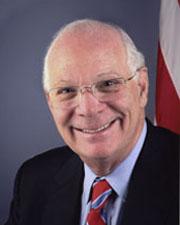

Latest Bills
TRAPS Act
Bill HR 4936September 18, 2026
Apples to Apples Comparison Act of 2025
Bill HR 4093September 18, 2026
American Lending Fairness Act of 2026
Bill HR 7866September 18, 2026
Civil Investigative Demand Reform Act of 2025
Bill HR 1653September 18, 2026
American Reserve Modernization Act of 2026
Bill HR 8957September 18, 2026
Preventive Health Savings Act
Bill HR 4464September 18, 2026
PEARL Act
Bill HR 9327September 18, 2026
Medically Tailored Home-Delivered Meals Program Pilot Act
Bill HR 5439September 18, 2026
To designate the facility of the United States Postal Service located at 117 West Lovett Street in Charlotte, Michigan, as the "Francis C. Flaherty Post Office Building".
Bill HR 9570September 18, 2026
To designate the facility of the United States Postal Service located at 1019 Avenue H in Fort Madison, Iowa, as the "Martin L. Graber Post Office".
Bill HR 4707September 18, 2026