0
0
0
FERA
4/7/2025, 3:36 PM
Summary of Bill S 386
Bill 111 s 386, also known as the Fraud Enforcement and Recovery Act (FERA), is a piece of legislation introduced in the United States Congress. The main purpose of this bill is to strengthen the government's ability to investigate and prosecute financial fraud and white-collar crime.
One of the key provisions of FERA is the expansion of the definition of financial fraud to include schemes that target government funds, such as those related to the Troubled Asset Relief Program (TARP). This change allows prosecutors to go after individuals and organizations that defraud the government and taxpayers.
Additionally, FERA increases the penalties for certain types of financial fraud, such as securities fraud and mortgage fraud. This is intended to deter individuals from engaging in these illegal activities and to hold them accountable for their actions. Another important aspect of FERA is the allocation of additional resources to law enforcement agencies and regulatory bodies to investigate and prosecute financial fraud cases. This includes funding for the hiring of more prosecutors, investigators, and other personnel to handle these complex cases. Overall, Bill 111 s 386, FERA, aims to strengthen the government's ability to combat financial fraud and white-collar crime by expanding the definition of fraud, increasing penalties, and providing additional resources to law enforcement agencies.
One of the key provisions of FERA is the expansion of the definition of financial fraud to include schemes that target government funds, such as those related to the Troubled Asset Relief Program (TARP). This change allows prosecutors to go after individuals and organizations that defraud the government and taxpayers.
Additionally, FERA increases the penalties for certain types of financial fraud, such as securities fraud and mortgage fraud. This is intended to deter individuals from engaging in these illegal activities and to hold them accountable for their actions. Another important aspect of FERA is the allocation of additional resources to law enforcement agencies and regulatory bodies to investigate and prosecute financial fraud cases. This includes funding for the hiring of more prosecutors, investigators, and other personnel to handle these complex cases. Overall, Bill 111 s 386, FERA, aims to strengthen the government's ability to combat financial fraud and white-collar crime by expanding the definition of fraud, increasing penalties, and providing additional resources to law enforcement agencies.
Current Status of Bill S 386
Bill S 386 is currently in the status of Bill Introduced since February 5, 2009. Bill S 386 was introduced during Congress 111 and was introduced to the Senate on February 5, 2009. Bill S 386's most recent activity was Became Public Law No: 111-21. as of May 20, 2009
Bipartisan Support of Bill S 386
Total Number of Sponsors
1Democrat Sponsors
1Republican Sponsors
0Unaffiliated Sponsors
0Total Number of Cosponsors
0Democrat Cosponsors
0Republican Cosponsors
0Unaffiliated Cosponsors
0Policy Area and Potential Impact of Bill S 386
Primary Policy Focus
Crime and Law EnforcementComments
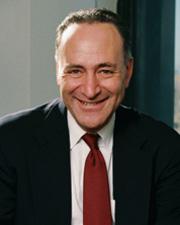
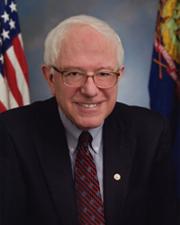
Sponsors and Cosponsors of S 386




Latest Bills
TRAPS Act
Bill HR 4936September 18, 2026
Apples to Apples Comparison Act of 2025
Bill HR 4093September 18, 2026
American Lending Fairness Act of 2026
Bill HR 7866September 18, 2026
Civil Investigative Demand Reform Act of 2025
Bill HR 1653September 18, 2026
American Reserve Modernization Act of 2026
Bill HR 8957September 18, 2026
Preventive Health Savings Act
Bill HR 4464September 18, 2026
PEARL Act
Bill HR 9327September 18, 2026
Medically Tailored Home-Delivered Meals Program Pilot Act
Bill HR 5439September 18, 2026
To designate the facility of the United States Postal Service located at 117 West Lovett Street in Charlotte, Michigan, as the "Francis C. Flaherty Post Office Building".
Bill HR 9570September 18, 2026
To designate the facility of the United States Postal Service located at 1019 Avenue H in Fort Madison, Iowa, as the "Martin L. Graber Post Office".
Bill HR 4707September 18, 2026