0
0
0
Illegal, Unreported, and Unregulated Fishing Enforcement Act of 2009
4/7/2025, 3:35 PM
Summary of Bill HR 1080
Bill 111 HR 1080, also known as the Illegal, Unreported, and Unregulated Fishing Enforcement Act of 2009, was introduced in the US Congress to address the issue of illegal fishing activities that threaten the sustainability of global fisheries. The bill aimed to strengthen enforcement measures to combat illegal, unreported, and unregulated (IUU) fishing practices, which have negative impacts on marine ecosystems and the livelihoods of legitimate fishermen.
The key provisions of the bill included enhancing the monitoring and surveillance of fishing vessels, improving the traceability of seafood products to prevent the entry of illegally caught fish into the market, and increasing penalties for violators of IUU fishing regulations. The bill also called for increased cooperation and information sharing between the US government and international partners to combat IUU fishing on a global scale.
Supporters of the bill argued that stronger enforcement measures were necessary to protect marine resources and promote sustainable fishing practices. They emphasized the importance of cracking down on IUU fishing to ensure the long-term viability of fisheries and the conservation of marine biodiversity. Opponents of the bill raised concerns about the potential impact on legitimate fishermen and the seafood industry, citing potential increases in regulatory burdens and costs. They also questioned the effectiveness of the proposed enforcement measures in deterring IUU fishing activities. Ultimately, Bill 111 HR 1080 was passed by Congress and signed into law by the President in 2009. The enactment of the Illegal, Unreported, and Unregulated Fishing Enforcement Act of 2009 marked a significant step towards combating IUU fishing and promoting sustainable fisheries management practices in the United States.
The key provisions of the bill included enhancing the monitoring and surveillance of fishing vessels, improving the traceability of seafood products to prevent the entry of illegally caught fish into the market, and increasing penalties for violators of IUU fishing regulations. The bill also called for increased cooperation and information sharing between the US government and international partners to combat IUU fishing on a global scale.
Supporters of the bill argued that stronger enforcement measures were necessary to protect marine resources and promote sustainable fishing practices. They emphasized the importance of cracking down on IUU fishing to ensure the long-term viability of fisheries and the conservation of marine biodiversity. Opponents of the bill raised concerns about the potential impact on legitimate fishermen and the seafood industry, citing potential increases in regulatory burdens and costs. They also questioned the effectiveness of the proposed enforcement measures in deterring IUU fishing activities. Ultimately, Bill 111 HR 1080 was passed by Congress and signed into law by the President in 2009. The enactment of the Illegal, Unreported, and Unregulated Fishing Enforcement Act of 2009 marked a significant step towards combating IUU fishing and promoting sustainable fisheries management practices in the United States.
Current Status of Bill HR 1080
Bill HR 1080 is currently in the status of Bill Introduced since February 13, 2009. Bill HR 1080 was introduced during Congress 111 and was introduced to the House on February 13, 2009. Bill HR 1080's most recent activity was Received in the Senate and Read twice and referred to the Committee on Commerce, Science, and Transportation. as of September 23, 2009
Bipartisan Support of Bill HR 1080
Total Number of Sponsors
1Democrat Sponsors
1Republican Sponsors
0Unaffiliated Sponsors
0Total Number of Cosponsors
0Democrat Cosponsors
0Republican Cosponsors
0Unaffiliated Cosponsors
0Policy Area and Potential Impact of Bill HR 1080
Primary Policy Focus
Public Lands and Natural ResourcesComments
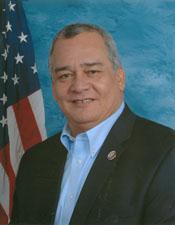
Sponsors and Cosponsors of HR 1080





Latest Bills
TRAPS Act
Bill HR 4936September 18, 2026
Apples to Apples Comparison Act of 2025
Bill HR 4093September 18, 2026
American Lending Fairness Act of 2026
Bill HR 7866September 18, 2026
Civil Investigative Demand Reform Act of 2025
Bill HR 1653September 18, 2026
American Reserve Modernization Act of 2026
Bill HR 8957September 18, 2026
Preventive Health Savings Act
Bill HR 4464September 18, 2026
PEARL Act
Bill HR 9327September 18, 2026
Medically Tailored Home-Delivered Meals Program Pilot Act
Bill HR 5439September 18, 2026
To designate the facility of the United States Postal Service located at 117 West Lovett Street in Charlotte, Michigan, as the "Francis C. Flaherty Post Office Building".
Bill HR 9570September 18, 2026
To designate the facility of the United States Postal Service located at 1019 Avenue H in Fort Madison, Iowa, as the "Martin L. Graber Post Office".
Bill HR 4707September 18, 2026