0
0
0
To amend chapter 1 of title 9 of United States Code with respect to arbitration.
4/7/2025, 2:51 PM
Summary of Bill HR 6126
Bill 110 hr 6126, also known as the "Arbitration Fairness Act," aims to make changes to chapter 1 of title 9 of the United States Code in relation to arbitration. The bill seeks to address concerns about the fairness and transparency of arbitration proceedings.
One key provision of the bill is to prohibit pre-dispute arbitration agreements in consumer, employment, antitrust, or civil rights disputes. This means that individuals would not be required to agree to arbitration before a dispute arises in these specific areas.
Additionally, the bill would require that arbitration agreements be entered into voluntarily and knowingly by all parties involved. This is intended to ensure that individuals are not coerced or misled into agreeing to arbitration. Furthermore, the bill includes provisions to increase transparency in arbitration proceedings. This includes requiring arbitrators to disclose any conflicts of interest and ensuring that arbitration decisions are made publicly available. Overall, the Arbitration Fairness Act aims to promote fairness and accountability in arbitration proceedings by addressing concerns about pre-dispute agreements, voluntary consent, and transparency. It is intended to protect the rights of individuals in consumer, employment, antitrust, and civil rights disputes.
One key provision of the bill is to prohibit pre-dispute arbitration agreements in consumer, employment, antitrust, or civil rights disputes. This means that individuals would not be required to agree to arbitration before a dispute arises in these specific areas.
Additionally, the bill would require that arbitration agreements be entered into voluntarily and knowingly by all parties involved. This is intended to ensure that individuals are not coerced or misled into agreeing to arbitration. Furthermore, the bill includes provisions to increase transparency in arbitration proceedings. This includes requiring arbitrators to disclose any conflicts of interest and ensuring that arbitration decisions are made publicly available. Overall, the Arbitration Fairness Act aims to promote fairness and accountability in arbitration proceedings by addressing concerns about pre-dispute agreements, voluntary consent, and transparency. It is intended to protect the rights of individuals in consumer, employment, antitrust, and civil rights disputes.
Current Status of Bill HR 6126
Bill HR 6126 is currently in the status of Bill Introduced since May 22, 2008. Bill HR 6126 was introduced during Congress 110 and was introduced to the House on May 22, 2008. Bill HR 6126's most recent activity was Placed on the Union Calendar, Calendar No. 577. as of September 26, 2008
Bipartisan Support of Bill HR 6126
Total Number of Sponsors
1Democrat Sponsors
1Republican Sponsors
0Unaffiliated Sponsors
0Total Number of Cosponsors
0Democrat Cosponsors
0Republican Cosponsors
0Unaffiliated Cosponsors
0Policy Area and Potential Impact of Bill HR 6126
Primary Policy Focus
LawComments
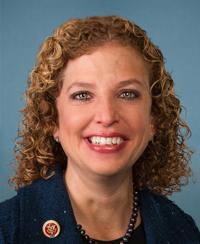
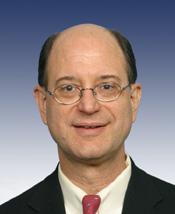
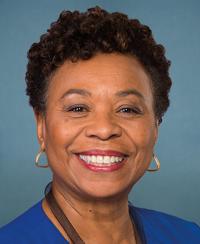
Sponsors and Cosponsors of HR 6126



Latest Bills
TRAPS Act
Bill HR 4936September 18, 2026
Apples to Apples Comparison Act of 2025
Bill HR 4093September 18, 2026
American Lending Fairness Act of 2026
Bill HR 7866September 18, 2026
Civil Investigative Demand Reform Act of 2025
Bill HR 1653September 18, 2026
American Reserve Modernization Act of 2026
Bill HR 8957September 18, 2026
Preventive Health Savings Act
Bill HR 4464September 18, 2026
PEARL Act
Bill HR 9327September 18, 2026
Medically Tailored Home-Delivered Meals Program Pilot Act
Bill HR 5439September 18, 2026
To designate the facility of the United States Postal Service located at 117 West Lovett Street in Charlotte, Michigan, as the "Francis C. Flaherty Post Office Building".
Bill HR 9570September 18, 2026
To designate the facility of the United States Postal Service located at 1019 Avenue H in Fort Madison, Iowa, as the "Martin L. Graber Post Office".
Bill HR 4707September 18, 2026