0
0
0
To authorize appropriations for the San Gabriel Basin Restoration Fund.
4/7/2025, 3:25 PM
Summary of Bill HR 123
Bill 110 hr 123, also known as the San Gabriel Basin Restoration Fund Authorization Act, is a piece of legislation that seeks to provide funding for the restoration and preservation of the San Gabriel Basin in California. The bill authorizes appropriations for the San Gabriel Basin Restoration Fund, which will be used to support projects aimed at improving water quality, protecting natural habitats, and enhancing recreational opportunities in the area.
The San Gabriel Basin is a critical water source for the region, providing drinking water for millions of residents. However, over the years, the basin has faced challenges such as pollution, habitat destruction, and water scarcity. This bill aims to address these issues by providing funding for projects that will help restore and protect the basin's natural resources.
The funding authorized by this bill will be used for a variety of purposes, including water quality monitoring, habitat restoration, and public education and outreach. Additionally, the bill includes provisions for stakeholder engagement and collaboration, ensuring that local communities have a voice in the restoration efforts. Overall, Bill 110 hr 123 represents a bipartisan effort to support the restoration and preservation of the San Gabriel Basin. By providing funding for critical projects, this legislation aims to ensure that the basin remains a vital resource for generations to come.
The San Gabriel Basin is a critical water source for the region, providing drinking water for millions of residents. However, over the years, the basin has faced challenges such as pollution, habitat destruction, and water scarcity. This bill aims to address these issues by providing funding for projects that will help restore and protect the basin's natural resources.
The funding authorized by this bill will be used for a variety of purposes, including water quality monitoring, habitat restoration, and public education and outreach. Additionally, the bill includes provisions for stakeholder engagement and collaboration, ensuring that local communities have a voice in the restoration efforts. Overall, Bill 110 hr 123 represents a bipartisan effort to support the restoration and preservation of the San Gabriel Basin. By providing funding for critical projects, this legislation aims to ensure that the basin remains a vital resource for generations to come.
Current Status of Bill HR 123
Bill HR 123 is currently in the status of Bill Introduced since January 4, 2007. Bill HR 123 was introduced during Congress 110 and was introduced to the House on January 4, 2007. Bill HR 123's most recent activity was Placed on Senate Legislative Calendar under General Orders. Calendar No. 807. as of June 16, 2008
Bipartisan Support of Bill HR 123
Total Number of Sponsors
1Democrat Sponsors
0Republican Sponsors
1Unaffiliated Sponsors
0Total Number of Cosponsors
0Democrat Cosponsors
0Republican Cosponsors
0Unaffiliated Cosponsors
0Policy Area and Potential Impact of Bill HR 123
Primary Policy Focus
Environmental ProtectionComments
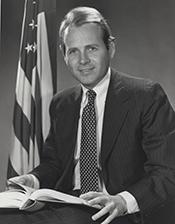
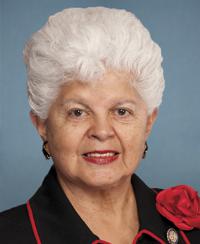
Sponsors and Cosponsors of HR 123


Latest Bills
TRAPS Act
Bill HR 4936September 18, 2026
Apples to Apples Comparison Act of 2025
Bill HR 4093September 18, 2026
American Lending Fairness Act of 2026
Bill HR 7866September 18, 2026
Civil Investigative Demand Reform Act of 2025
Bill HR 1653September 18, 2026
American Reserve Modernization Act of 2026
Bill HR 8957September 18, 2026
Preventive Health Savings Act
Bill HR 4464September 18, 2026
PEARL Act
Bill HR 9327September 18, 2026
Medically Tailored Home-Delivered Meals Program Pilot Act
Bill HR 5439September 18, 2026
To designate the facility of the United States Postal Service located at 117 West Lovett Street in Charlotte, Michigan, as the "Francis C. Flaherty Post Office Building".
Bill HR 9570September 18, 2026
To designate the facility of the United States Postal Service located at 1019 Avenue H in Fort Madison, Iowa, as the "Martin L. Graber Post Office".
Bill HR 4707September 18, 2026