5
9
9
End Taxpayer Subsidies for Electric Vehicles Act
4/15/2025, 4:23 AM
Summary of Bill S 1229
Bill 119 s 1229, also known as the "Clean Vehicle Credit Repeal Act," is a proposed piece of legislation that aims to amend the Internal Revenue Code of 1986 by repealing the clean vehicle credit. This credit currently provides tax incentives for individuals and businesses who purchase or lease qualifying clean vehicles, such as electric or hybrid cars.
If passed, this bill would eliminate the tax benefits associated with purchasing clean vehicles, which are designed to reduce greenhouse gas emissions and promote environmental sustainability. Supporters of the bill argue that the clean vehicle credit is costly and ineffective, and that the government should not be subsidizing certain types of vehicles over others.
Opponents of the bill, however, argue that repealing the clean vehicle credit would hinder efforts to combat climate change and promote the adoption of cleaner transportation options. They believe that the tax incentives provided by the credit are essential for encouraging consumers to choose environmentally friendly vehicles. Overall, the passage of Bill 119 s 1229 would have significant implications for the clean vehicle industry and the broader efforts to reduce carbon emissions in the United States. It is important for lawmakers to carefully consider the potential impacts of repealing the clean vehicle credit before making a decision on this legislation.
If passed, this bill would eliminate the tax benefits associated with purchasing clean vehicles, which are designed to reduce greenhouse gas emissions and promote environmental sustainability. Supporters of the bill argue that the clean vehicle credit is costly and ineffective, and that the government should not be subsidizing certain types of vehicles over others.
Opponents of the bill, however, argue that repealing the clean vehicle credit would hinder efforts to combat climate change and promote the adoption of cleaner transportation options. They believe that the tax incentives provided by the credit are essential for encouraging consumers to choose environmentally friendly vehicles. Overall, the passage of Bill 119 s 1229 would have significant implications for the clean vehicle industry and the broader efforts to reduce carbon emissions in the United States. It is important for lawmakers to carefully consider the potential impacts of repealing the clean vehicle credit before making a decision on this legislation.
Read the Full Bill
Current Status of Bill S 1229
Bill S 1229 is currently in the status of Bill Introduced since April 1, 2025. Bill S 1229 was introduced during Congress 119 and was introduced to the Senate on April 1, 2025. Bill S 1229's most recent activity was Read twice and referred to the Committee on Finance. as of April 1, 2025
Bipartisan Support of Bill S 1229
Total Number of Sponsors
2Democrat Sponsors
0Republican Sponsors
2Unaffiliated Sponsors
0Total Number of Cosponsors
0Democrat Cosponsors
0Republican Cosponsors
0Unaffiliated Cosponsors
0Policy Area and Potential Impact of Bill S 1229
Primary Policy Focus
Alternate Title(s) of Bill S 1229
A bill to amend the Internal Revenue Code of 1986 to repeal the clean vehicle credit.
A bill to amend the Internal Revenue Code of 1986 to repeal the clean vehicle credit.
Comments
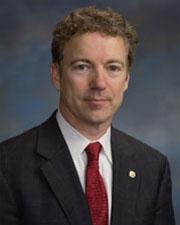
Sponsors and Cosponsors of S 1229
Latest Bills
National Defense Authorization Act for Fiscal Year 2026
Bill S 1071December 11, 2025
Electric Supply Chain Act
Bill HR 3638December 11, 2025
State Planning for Reliability and Affordability Act
Bill HR 3628December 11, 2025
Increasing Investor Opportunities Act
Bill HR 3383December 11, 2025
ASCEND Act
Bill S 1437December 11, 2025
Providing for consideration of the bill (H.R. 3001) to advance commonsense priorities.
Bill HRES 486December 11, 2025
Snow Water Supply Forecasting Reauthorization Act of 2025
Bill HR 3857December 11, 2025
ADS for Mental Health Services Act
Bill S 414December 11, 2025
Providing for consideration of the bill (H.R. 2550) to nullify the Executive Order relating to Exclusions from Federal Labor-Management Relations Programs, and for other purposes.
Bill HRES 432December 11, 2025
Foundation of the Federal Bar Association Charter Amendments Act of 2025
Bill S 616December 11, 2025