0
0
0
Federal Workforce Freedom Act
4/3/2025, 1:23 PM
Summary of Bill S 1006
Bill 119 s 1006, also known as the Federal Employee Labor Union Prohibition Act, aims to prevent federal employees from organizing, joining, or participating in labor unions for the purpose of collective bargaining or representation. The bill also includes provisions for other purposes related to labor unions and federal employees.
If passed, this legislation would have significant implications for federal workers, as it would effectively strip them of their ability to collectively bargain for better wages, benefits, and working conditions. This could potentially lead to a decrease in worker protections and rights within the federal government.
Supporters of the bill argue that it would increase efficiency and reduce costs within the federal government by limiting the power of labor unions. They believe that federal employees should not have the same rights to organize and bargain collectively as private sector workers. Opponents of the bill, on the other hand, argue that it is an attack on workers' rights and would lead to a decrease in job security and overall quality of life for federal employees. They believe that labor unions play a crucial role in advocating for workers and ensuring fair treatment in the workplace. Overall, Bill 119 s 1006 is a controversial piece of legislation that has the potential to significantly impact federal employees and their ability to advocate for their rights in the workplace. It is important for lawmakers and the public to carefully consider the implications of this bill before making any decisions on its passage.
If passed, this legislation would have significant implications for federal workers, as it would effectively strip them of their ability to collectively bargain for better wages, benefits, and working conditions. This could potentially lead to a decrease in worker protections and rights within the federal government.
Supporters of the bill argue that it would increase efficiency and reduce costs within the federal government by limiting the power of labor unions. They believe that federal employees should not have the same rights to organize and bargain collectively as private sector workers. Opponents of the bill, on the other hand, argue that it is an attack on workers' rights and would lead to a decrease in job security and overall quality of life for federal employees. They believe that labor unions play a crucial role in advocating for workers and ensuring fair treatment in the workplace. Overall, Bill 119 s 1006 is a controversial piece of legislation that has the potential to significantly impact federal employees and their ability to advocate for their rights in the workplace. It is important for lawmakers and the public to carefully consider the implications of this bill before making any decisions on its passage.
Current Status of Bill S 1006
Bill S 1006 is currently in the status of Bill Introduced since March 12, 2025. Bill S 1006 was introduced during Congress 119 and was introduced to the Senate on March 12, 2025. Bill S 1006's most recent activity was Read twice and referred to the Committee on Homeland Security and Governmental Affairs. as of March 12, 2025
Bipartisan Support of Bill S 1006
Total Number of Sponsors
2Democrat Sponsors
0Republican Sponsors
2Unaffiliated Sponsors
0Total Number of Cosponsors
1Democrat Cosponsors
0Republican Cosponsors
1Unaffiliated Cosponsors
0Policy Area and Potential Impact of Bill S 1006
Primary Policy Focus
Alternate Title(s) of Bill S 1006
A bill to prohibit Federal employees from organizing, joining, or participating labor unions for purposes of collective bargaining or representation, and for other purposes.
A bill to prohibit Federal employees from organizing, joining, or participating labor unions for purposes of collective bargaining or representation, and for other purposes.
Comments
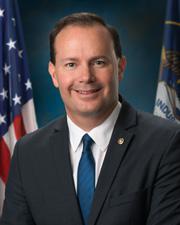
Sponsors and Cosponsors of S 1006

Latest Bills
Technical Corrections to the Northwestern New Mexico Rural Water Projects Act, Taos Pueblo Indian Water Rights Settlement Act, and Aamodt Litigation Settlement Act
Bill S 640December 12, 2025
Keweenaw Bay Indian Community Land Claim Settlement Act of 2025
Bill S 642December 12, 2025
ARCA Act of 2025
Bill S 1591December 12, 2025
Disaster Related Extension of Deadlines Act
Bill HR 1491December 12, 2025
Billion Dollar Boondoggle Act of 2025
Bill S 766December 12, 2025
PORCUPINE Act
Bill S 1744December 12, 2025
Miccosukee Reserved Area Amendments Act
Bill HR 504December 12, 2025
Crow Tribe Water Rights Settlement Amendments Act of 2025
Bill S 240December 12, 2025
Technical Correction to the Shoshone-Paiute Tribes of the Duck Valley Reservation Water Rights Settlement Act of 2025
Bill S 546December 12, 2025
Tribal Trust Land Homeownership Act of 2025
Bill S 723December 12, 2025