0
0
0
Seventh Amendment Restoration Act
2/11/2025, 8:18 PM
Summary of Bill HR 432
Bill 119 HR 432, also known as the "Administrative Law Judge Removal Authorization Act," seeks to allow for the transfer of legal actions from administrative law judges of any administrative agency to a district court of the United States. This bill aims to provide individuals or entities involved in legal disputes with the option to have their case heard in a federal district court rather than solely by an administrative law judge.
The bill does not specify the reasons for which a case can be transferred, but it does grant the parties involved the ability to request the transfer. This transfer would allow for a potentially more impartial and fair hearing, as district courts are typically seen as more independent and less influenced by the agency involved in the dispute.
Supporters of the bill argue that it would provide a more robust and transparent legal process for individuals and businesses involved in disputes with administrative agencies. Critics, however, raise concerns about the potential increase in caseloads for district courts and the potential for delays in the legal process. Overall, Bill 119 HR 432 aims to provide individuals and entities with more options for resolving legal disputes with administrative agencies and ensuring a fair and impartial legal process.
The bill does not specify the reasons for which a case can be transferred, but it does grant the parties involved the ability to request the transfer. This transfer would allow for a potentially more impartial and fair hearing, as district courts are typically seen as more independent and less influenced by the agency involved in the dispute.
Supporters of the bill argue that it would provide a more robust and transparent legal process for individuals and businesses involved in disputes with administrative agencies. Critics, however, raise concerns about the potential increase in caseloads for district courts and the potential for delays in the legal process. Overall, Bill 119 HR 432 aims to provide individuals and entities with more options for resolving legal disputes with administrative agencies and ensuring a fair and impartial legal process.
Read the Full Bill
Current Status of Bill HR 432
Bill HR 432 is currently in the status of Bill Introduced since January 15, 2025. Bill HR 432 was introduced during Congress 119 and was introduced to the House on January 15, 2025. Bill HR 432's most recent activity was Referred to the House Committee on the Judiciary. as of January 15, 2025
Bipartisan Support of Bill HR 432
Total Number of Sponsors
3Democrat Sponsors
0Republican Sponsors
3Unaffiliated Sponsors
0Total Number of Cosponsors
0Democrat Cosponsors
0Republican Cosponsors
0Unaffiliated Cosponsors
0Policy Area and Potential Impact of Bill HR 432
Primary Policy Focus
LawAlternate Title(s) of Bill HR 432
To authorize the removal of an action from an administrative law judge of any administrative agency to a district court of the United States.
To authorize the removal of an action from an administrative law judge of any administrative agency to a district court of the United States.
Comments
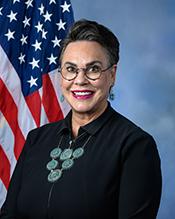
Sponsors and Cosponsors of HR 432
Latest Bills
Technical Corrections to the Northwestern New Mexico Rural Water Projects Act, Taos Pueblo Indian Water Rights Settlement Act, and Aamodt Litigation Settlement Act
Bill S 640December 12, 2025
Keweenaw Bay Indian Community Land Claim Settlement Act of 2025
Bill S 642December 12, 2025
ARCA Act of 2025
Bill S 1591December 12, 2025
Disaster Related Extension of Deadlines Act
Bill HR 1491December 12, 2025
Billion Dollar Boondoggle Act of 2025
Bill S 766December 12, 2025
PORCUPINE Act
Bill S 1744December 12, 2025
Miccosukee Reserved Area Amendments Act
Bill HR 504December 12, 2025
Crow Tribe Water Rights Settlement Amendments Act of 2025
Bill S 240December 12, 2025
Technical Correction to the Shoshone-Paiute Tribes of the Duck Valley Reservation Water Rights Settlement Act of 2025
Bill S 546December 12, 2025
Tribal Trust Land Homeownership Act of 2025
Bill S 723December 12, 2025