0
118th Congress (1st) Vote 260 - A joint resolution providing for congressional disapproval under chapter 8 of title 5, United States Code, of the rule submitted by the Bureau of Consumer Financial Protection relating to "Small Business Lending Under the Equal Credit Opportunity Act (Regulation B)".
10/19/2023, 5:14 PM
Vote Summary
SJRES 32 - A joint resolution providing for congressional disapproval under chapter 8 of title 5, United States Code, of the rule submitted by the Bureau of Consumer Financial Protection relating to "Small Business Lending Under the Equal Credit Opportunity Act (Regulation B)".
118th Congress (1st) Vote 260 is a Senate Vote on Bill SJRES 32, A joint resolution providing for congressional disapproval under chapter 8 of title 5, United States Code, of the rule submitted by the Bureau of Consumer Financial Protection relating to "Small Business Lending Under the Equal Credit Opportunity Act (Regulation B)".. SJRES 32 was introduced on June 13, 2023 by 2 Sponsors and 90 Cosponsors.
Bill 118 SJRes 32 is a joint resolution that aims to disapprove of a rule submitted by the Bureau of Consumer Financial Protection regarding small business lending under the Equal Credit Opportunity Act (Regulation B). The resolution falls under chapter 8 of title 5 of the United States Code, which allows Congress to review and potentially overturn regulations proposed by federal agencies.
The rule in question focuses on how small businesses are treated under the Equal Credit Opportunity Act, which prohibits discrimination in lending based on factors such as race, gender, and age. The Bureau of Consumer Financial Protection's rule aims to provide clarity and guidance on how lenders should comply with the Act when extending credit to small businesses.
Supporters of the resolution argue that the rule could impose unnecessary burdens on lenders and hinder access to credit for small businesses. They believe that the rule may stifle innovation and economic growth in the small business sector.
Opponents of the resolution argue that the rule is necessary to ensure that small businesses are not unfairly discriminated against when seeking credit. They believe that overturning the rule could weaken protections for small business owners and potentially lead to increased discrimination in lending practices.
Overall, Bill 118 SJRes 32 is a contentious issue that highlights the ongoing debate over how best to regulate small business lending under the Equal Credit Opportunity Act. It remains to be seen how Congress will ultimately decide on the resolution and its potential impact on small businesses across the country.
The vote failed with a tally of 53 For, 44 Against, 0 Present, and 3 Not Voting. When broken down by party, there were 3 Democrats, 48 Republican, and 2 Independents voting For, 43 Democrats, 0 Republican, and 1 Independents voting Against, 0 Democrats, 0 Republican, and 0 Independents voting Present, and finally, 2 Democrats, 1 Republican, and 0 Independents Not Voting.
Voting For
Democrat
Republican
Independent
53
3
48
2
Voting Against
Democrat
Republican
Independent
44
43
0
1
Voting Present
Democrat
Republican
Independent
0
0
0
0
Not Voting
Democrat
Republican
Independent
3
2
1
0
Official Vote Question
On the Joint Resolution S.J.Res. 32 - A joint resolution providing for congressional disapproval under chapter 8 of title 5, United States Code, of the rule submitted by the Bureau of Consumer Financial Protection relating to "Small Business Lending Under the Equal Credit Opportunity Act (Regulation B)".
Official Vote Result
Joint Resolution Passed (53-44)
Comments
Senators' Votes on A joint resolution providing for congressional disapproval under chapter 8 of title 5, United States Code, of the rule submitted by the Bureau of Consumer Financial Protection relating to "Small Business Lending Under the Equal Credit Opportunity Act (Regulation B)".
Voting Member of 118th Congress (1st) Vote 260

Todd Young

Elizabeth Warren
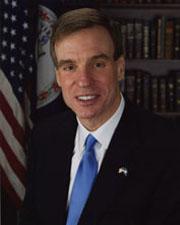
Mark R. Warner

Sheldon Whitehouse
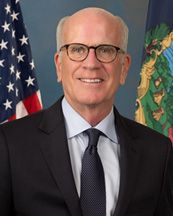
Peter Welch
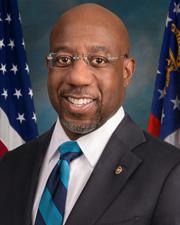
Raphael G. Warnock

Ron Wyden

Roger F. Wicker

J. D. Vance

Chris Van Hollen

Thom Tillis
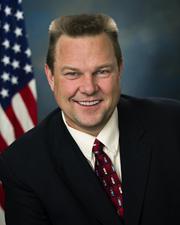
Jon Tester

Tommy Tuberville
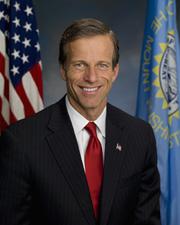
John Thune