0
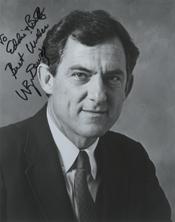
Wayne Dowdy
Wayne Dowdy Congressional Service
Wayne Dowdy is a retired United States Congressman for the state of Mississippi. WAYNE served as a House Representative for the state of Mississippi and served a total of 3 terms in congress.
Wayne Dowdy participated in over 0 voting sessions, sponsored over 37 pieces of legislation, and cosponsored over over 1013 individual bills.
Stance on Important Issues
Economy
CentristWayne Dowdy generally supported economic policies that favored moderate regulatory measures and fiscal responsibility, often with a focus on local economic development.
Agriculture
CentristDowdy advocated for policies aiding small and family-owned farms, supporting agricultural subsidies to ensure economic stability in rural areas.
Immigration
CentristDowdy's stance on immigration was supportive of comprehensive reform, balancing border security with pathways to citizenship.
Education
LiberalHe favored increased funding for public education and policies that aimed to improve educational access and equality.
Energy
CentristDowdy supported a diversified energy policy that included traditional energy sources alongside investments in renewable resources.
Climate change
CentristDowdy acknowledged climate change and supported incremental measures to address environmental concerns, promoting balanced policies.
Healthcare
LiberalHe advocated for improving healthcare access and affordability, often supporting measures that aimed to expand coverage.
Housing
LiberalDowdy supported affordable housing initiatives and policies designed to assist low-income families in accessing safe housing.
Transportation
CentristDowdy backed investment in infrastructure projects to improve transportation networks, supporting balanced urban and rural development.
Veterans affairs
CentristHe supported policies that aimed to enhance veterans' benefits and improve access to healthcare and employment opportunities for veterans.
Voting rights
LiberalDowdy advocated for measures to increase voting accessibility and opposed practices that could lead to voter suppression.