0
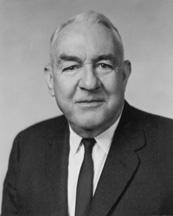
Sam J. Ervin Jr.
Sam J. Ervin Jr. Congressional Service
Sam J. Ervin Jr. is a retired United States Congressman for the state of North Carolina. SAMUEL served as a Senator for the state of North Carolina and served a total of 1 term in congress.
Sam J. Ervin Jr. participated in over 0 voting sessions, sponsored over 87 pieces of legislation, and cosponsored over over 87 individual bills.
Stance on Important Issues
Economy
ConservativeSamuel Ervin, widely recognized for his work in the mid-20th century, often supported regulation that favored Southern economic strategies, aligning with business-friendly policies while cautioning federal intervention.
Agriculture
ConservativeErvin backed agricultural policies that benefited Southern agrarian economies, advocating for farmer-support measures and subsidies that ensured stability for rural constituencies.
Immigration
ConservativeDuring his time, immigration was not a heavily legislated topic for Ervin; however, he generally favored policies that supported national interests and security over liberal immigration reforms.
Education
ConservativeErvin supported states' rights concerning education, often opposing federal mandates, and advocating for local control over educational standards and policies.
Energy
ConservativeErvin's stance traditionally favored development and use of domestic energy resources, aligning with broader conservative strategies of his era that emphasized oil and coal.
Climate change
ConservativeErvin's era did not heavily focus on climate change as a defined issue, but his support for industrial growth and development suggests a limited focus on environmental regulation.
Healthcare
ConservativeErvin generally supported moderate healthcare measures but was wary of expansive federal programs, maintaining a preference for private and state-centric solutions.
Housing
ConservativeHis legislative record indicates a limited focus on housing reform, often aligning with broader governmental frameworks favoring private sector involvement.
Transportation
ConservativeErvin typically supported infrastructure improvements but leaned towards state-directed initiatives, supporting federal involvement primarily for interstate development.
Veterans affairs
ConservativeErvin supported robust veterans' benefits and programs, advocating for effective integration of veterans into civilian life through various supportive measures.
Voting rights
ConservativeErvin opposed the federal Voting Rights Act of 1965, arguing it infringed on states' rights, reflecting his conservative stance on maintaining state control over voting regulations.