0
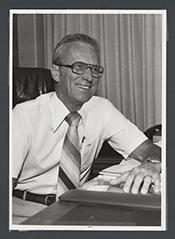
Eugene A. Chappie
Eugene A. Chappie Congressional Service
Eugene A. Chappie is a retired United States Congressman for the state of California. EUGENE served as a Senator for the state of California and served a total of 4 terms in congress.
Eugene A. Chappie participated in over 0 voting sessions, sponsored over 26 pieces of legislation, and cosponsored over over 864 individual bills.
Stance on Important Issues
Eugene Chappie generally supported fiscal policies that favored reducing government spending and lowering taxes to stimulate economic growth.
Eugene Chappie advocated for policies benefiting farmers, supporting legislative measures that aimed to provide stability and financial assistance to the agricultural sector.
Eugene Chappie backed stricter immigration controls, advocating for policies aimed at strengthening border security and enforcement of immigration laws.
Chappie supported policies that promoted local control of schools and was in favor of reducing federal government involvement in education.
Eugene Chappie was supportive of policies that encouraged domestic energy production, including oil and gas development, while opposing excessive regulation.
Chappie did not prioritize climate change in his policy agenda and focused more on energy independence and economic factors.
Chappie was generally critical of expansive federal healthcare programs and advocated for private sector solutions to healthcare challenges.
Eugene Chappie favored policies that reduced federal regulations in housing, supporting market-driven approaches to increase housing availability.
Chappie supported infrastructure development but emphasized efficient use of federal funds and encouraged state-level management of transportation projects.
Eugene Chappie advocated for increased support and resources for veterans, including healthcare and benefits, recognizing their service to the nation.
Chappie supported measures that he believed would ensure election integrity, advocating for voter identification laws and opposed measures he saw as federal overreach.