0
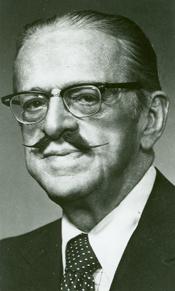
Daniel J. Flood
Daniel J. Flood Congressional Service
Daniel J. Flood is a retired United States Congressman for the state of Pennsylvania. DANIEL served as a Senator for the state of Pennsylvania and served a total of 1 term in congress.
Daniel J. Flood participated in over 0 voting sessions, sponsored over 107 pieces of legislation, and cosponsored over over 685 individual bills.
Stance on Important Issues
Economy
LiberalDaniel Flood supported federal intervention to boost economic growth, including public works projects to alleviate unemployment.
Agriculture
LiberalFlood advocated for agricultural subsidies and support for farmers, emphasizing the importance of federal assistance in stabilizing the agriculture sector.
Immigration
CentristDaniel Flood's stance on immigration is not well-documented, but he showed a general tendency to support policies that favored economic stability.
Education
LiberalFlood was an advocate for federal funding in education, supporting measures that enhanced educational infrastructure and opportunities.
Energy
LiberalHe supported government involvement in energy policy, focusing on infrastructure development and resource management.
Climate change
CentristDaniel Flood's record does not provide a detailed stance on climate change, but his support for infrastructure projects suggests a pragmatic approach.
Healthcare
LiberalFlood advocated for increased federal involvement in healthcare, promoting programs aimed at expanding access and affordability.
Housing
LiberalHe supported federal housing programs to improve living conditions and provide affordable housing options.
Transportation
LiberalDaniel Flood was a proponent of federal investment in transportation infrastructure as a means to stimulate economic growth and improve mobility.
Veterans affairs
LiberalFlood advocated for comprehensive support for veterans, including healthcare, education benefits, and housing assistance.
Voting rights
CentristThere is limited information on Flood's specific stance on voting rights, but his alignment with federal intervention might suggest support for measures that expanded access.