0
0
0
Defending American Jobs and Affordable Energy Act of 2025
3/28/2025, 11:37 AM
Summary of Bill S 837
Bill 119 s 837, titled "A bill to repeal certain executive orders," is a piece of legislation introduced in the US Congress. The purpose of this bill is to revoke specific executive orders that have been issued by the President of the United States.
The bill aims to address concerns about the scope and impact of certain executive orders, which are directives issued by the President that carry the force of law. Supporters of the bill argue that these executive orders exceed the President's authority and infringe on the powers of Congress.
If passed, Bill 119 s 837 would effectively nullify the specified executive orders, rendering them void and unenforceable. This would require the President to seek approval from Congress for any similar actions in the future. Opponents of the bill argue that it undermines the President's ability to take swift and decisive action on important issues. They contend that executive orders are a necessary tool for the President to address pressing matters when Congress is unable to act. Overall, Bill 119 s 837 is a contentious piece of legislation that raises questions about the balance of power between the executive and legislative branches of government. Its fate in Congress remains uncertain as lawmakers debate the merits and implications of repealing certain executive orders.
The bill aims to address concerns about the scope and impact of certain executive orders, which are directives issued by the President that carry the force of law. Supporters of the bill argue that these executive orders exceed the President's authority and infringe on the powers of Congress.
If passed, Bill 119 s 837 would effectively nullify the specified executive orders, rendering them void and unenforceable. This would require the President to seek approval from Congress for any similar actions in the future. Opponents of the bill argue that it undermines the President's ability to take swift and decisive action on important issues. They contend that executive orders are a necessary tool for the President to address pressing matters when Congress is unable to act. Overall, Bill 119 s 837 is a contentious piece of legislation that raises questions about the balance of power between the executive and legislative branches of government. Its fate in Congress remains uncertain as lawmakers debate the merits and implications of repealing certain executive orders.
Read the Full Bill
Current Status of Bill S 837
Bill S 837 is currently in the status of Bill Introduced since March 4, 2025. Bill S 837 was introduced during Congress 119 and was introduced to the Senate on March 4, 2025. Bill S 837's most recent activity was Read twice and referred to the Committee on Energy and Natural Resources. as of March 4, 2025
Bipartisan Support of Bill S 837
Total Number of Sponsors
3Democrat Sponsors
3Republican Sponsors
0Unaffiliated Sponsors
0Total Number of Cosponsors
13Democrat Cosponsors
13Republican Cosponsors
0Unaffiliated Cosponsors
0Policy Area and Potential Impact of Bill S 837
Primary Policy Focus
EnergyAlternate Title(s) of Bill S 837
A bill to repeal certain executive orders.
A bill to repeal certain executive orders.
Comments
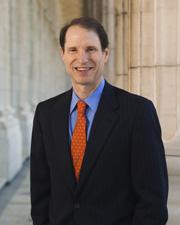
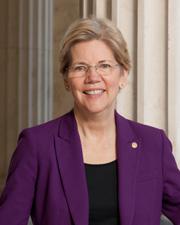
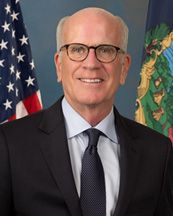
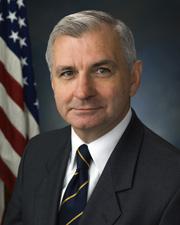
Sponsors and Cosponsors of S 837


Latest Bills
TRAPS Act
Bill HR 4936September 18, 2026
Apples to Apples Comparison Act of 2025
Bill HR 4093September 18, 2026
American Lending Fairness Act of 2026
Bill HR 7866September 18, 2026
Civil Investigative Demand Reform Act of 2025
Bill HR 1653September 18, 2026
American Reserve Modernization Act of 2026
Bill HR 8957September 18, 2026
Preventive Health Savings Act
Bill HR 4464September 18, 2026
PEARL Act
Bill HR 9327September 18, 2026
Medically Tailored Home-Delivered Meals Program Pilot Act
Bill HR 5439September 18, 2026
To designate the facility of the United States Postal Service located at 117 West Lovett Street in Charlotte, Michigan, as the "Francis C. Flaherty Post Office Building".
Bill HR 9570September 18, 2026
To designate the facility of the United States Postal Service located at 1019 Avenue H in Fort Madison, Iowa, as the "Martin L. Graber Post Office".
Bill HR 4707September 18, 2026
To repeal certain executive orders.
Bill HR 1781March 28, 2025