1
7
7
CLEAN SMART Act of 2026
2/27/2026, 6:03 PM
Summary of Bill S 3828
This bill, designated as S. 3828 in the 119th Congress, aims to hasten the advancement, testing, and implementation of cutting-edge technologies and creative approaches that aid in the Department of Energy's environmental cleanup efforts. It also focuses on mitigating the production and buildup of nuclear waste from present and expected nuclear activities, among other objectives.
Read the Full Bill
Current Status of Bill S 3828
Bill S 3828 is currently in the status of Bill Introduced since February 11, 2026. Bill S 3828 was introduced during Congress 119 and was introduced to the Senate on February 11, 2026. Bill S 3828's most recent activity was Read twice and referred to the Committee on Energy and Natural Resources. as of February 11, 2026
Bipartisan Support of Bill S 3828
Total Number of Sponsors
1Democrat Sponsors
1Republican Sponsors
0Unaffiliated Sponsors
0Total Number of Cosponsors
1Democrat Cosponsors
0Republican Cosponsors
1Unaffiliated Cosponsors
0Policy Area and Potential Impact of Bill S 3828
Primary Policy Focus
EnergyAlternate Title(s) of Bill S 3828
A bill to accelerate the development, demonstration, and deployment of advanced technologies and innovative solutions that support the environmental cleanup missions of the Department of Energy, help prevent the future generation and accumulation of nuclear waste from both current and anticipated future nuclear activities, and for other purposes.
A bill to accelerate the development, demonstration, and deployment of advanced technologies and innovative solutions that support the environmental cleanup missions of the Department of Energy, help prevent the future generation and accumulation of nuclear waste from both current and anticipated future nuclear activities, and for other purposes.
Comments

Raelynn Pickett
1,113
6 months ago
I don't understand this bill, it's so confusing. Why are they making it so complicated? I heard it's supposed to help the environment, but how exactly? And what about the cost? Will it be affordable for everyone? I just want to know how this will impact me and my community. It's all so overwhelming. I hope they can make it clearer for us regular folks to understand. The big picture is important, but we need to know the details too.
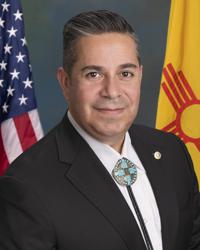
Sponsors and Cosponsors of S 3828

Latest Bills
TRAPS Act
Bill HR 4936September 18, 2026
Apples to Apples Comparison Act of 2025
Bill HR 4093September 18, 2026
American Lending Fairness Act of 2026
Bill HR 7866September 18, 2026
Civil Investigative Demand Reform Act of 2025
Bill HR 1653September 18, 2026
American Reserve Modernization Act of 2026
Bill HR 8957September 18, 2026
Preventive Health Savings Act
Bill HR 4464September 18, 2026
PEARL Act
Bill HR 9327September 18, 2026
Medically Tailored Home-Delivered Meals Program Pilot Act
Bill HR 5439September 18, 2026
To designate the facility of the United States Postal Service located at 117 West Lovett Street in Charlotte, Michigan, as the "Francis C. Flaherty Post Office Building".
Bill HR 9570September 18, 2026
To designate the facility of the United States Postal Service located at 1019 Avenue H in Fort Madison, Iowa, as the "Martin L. Graber Post Office".
Bill HR 4707September 18, 2026