7
8
8
A bill to require the Director of the United States Fish and Wildlife Service to reissue a final rule removing the gray wolf from the list of endangered and threatened wildlife under the Endangered Species Act of 1973.
4/17/2025, 3:03 AM
Summary of Bill S 1306
Bill 119 s 1306, also known as the Gray Wolf Delisting Act, is a proposed legislation that aims to mandate the Director of the United States Fish and Wildlife Service to reissue a final rule removing the gray wolf from the list of endangered and threatened wildlife under the Endangered Species Act of 1973.
The bill seeks to delist the gray wolf, which has been a controversial topic among conservationists, wildlife advocates, and ranchers. Proponents of the bill argue that the gray wolf population has sufficiently recovered and no longer requires protection under the Endangered Species Act. They believe that delisting the gray wolf will allow for better management of the species and reduce conflicts with livestock owners.
Opponents of the bill, on the other hand, argue that the gray wolf population is still vulnerable and removing their protected status could lead to a decline in their numbers. They are concerned that delisting the gray wolf could result in increased hunting and trapping, which could threaten the species' survival. Overall, the Gray Wolf Delisting Act is a contentious piece of legislation that highlights the ongoing debate over wildlife conservation and management in the United States. It will be important for lawmakers to carefully consider the potential impacts of delisting the gray wolf before making a decision on this bill.
The bill seeks to delist the gray wolf, which has been a controversial topic among conservationists, wildlife advocates, and ranchers. Proponents of the bill argue that the gray wolf population has sufficiently recovered and no longer requires protection under the Endangered Species Act. They believe that delisting the gray wolf will allow for better management of the species and reduce conflicts with livestock owners.
Opponents of the bill, on the other hand, argue that the gray wolf population is still vulnerable and removing their protected status could lead to a decline in their numbers. They are concerned that delisting the gray wolf could result in increased hunting and trapping, which could threaten the species' survival. Overall, the Gray Wolf Delisting Act is a contentious piece of legislation that highlights the ongoing debate over wildlife conservation and management in the United States. It will be important for lawmakers to carefully consider the potential impacts of delisting the gray wolf before making a decision on this bill.
Read the Full Bill
Current Status of Bill S 1306
Bill S 1306 is currently in the status of Bill Introduced since April 4, 2025. Bill S 1306 was introduced during Congress 119 and was introduced to the Senate on April 4, 2025. Bill S 1306's most recent activity was Read twice and referred to the Committee on Environment and Public Works. as of April 4, 2025
Bipartisan Support of Bill S 1306
Total Number of Sponsors
4Democrat Sponsors
0Republican Sponsors
4Unaffiliated Sponsors
0Total Number of Cosponsors
5Democrat Cosponsors
0Republican Cosponsors
5Unaffiliated Cosponsors
0Policy Area and Potential Impact of Bill S 1306
Primary Policy Focus
Alternate Title(s) of Bill S 1306
A bill to require the Director of the United States Fish and Wildlife Service to reissue a final rule removing the gray wolf from the list of endangered and threatened wildlife under the Endangered Species Act of 1973.
A bill to require the Director of the United States Fish and Wildlife Service to reissue a final rule removing the gray wolf from the list of endangered and threatened wildlife under the Endangered Species Act of 1973.
Comments
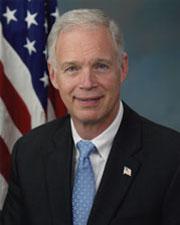
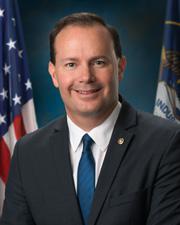
Sponsors and Cosponsors of S 1306


Latest Bills
TRAPS Act
Bill HR 4936September 18, 2026
Apples to Apples Comparison Act of 2025
Bill HR 4093September 18, 2026
American Lending Fairness Act of 2026
Bill HR 7866September 18, 2026
Civil Investigative Demand Reform Act of 2025
Bill HR 1653September 18, 2026
American Reserve Modernization Act of 2026
Bill HR 8957September 18, 2026
Preventive Health Savings Act
Bill HR 4464September 18, 2026
PEARL Act
Bill HR 9327September 18, 2026
Medically Tailored Home-Delivered Meals Program Pilot Act
Bill HR 5439September 18, 2026
To designate the facility of the United States Postal Service located at 117 West Lovett Street in Charlotte, Michigan, as the "Francis C. Flaherty Post Office Building".
Bill HR 9570September 18, 2026
To designate the facility of the United States Postal Service located at 1019 Avenue H in Fort Madison, Iowa, as the "Martin L. Graber Post Office".
Bill HR 4707September 18, 2026